
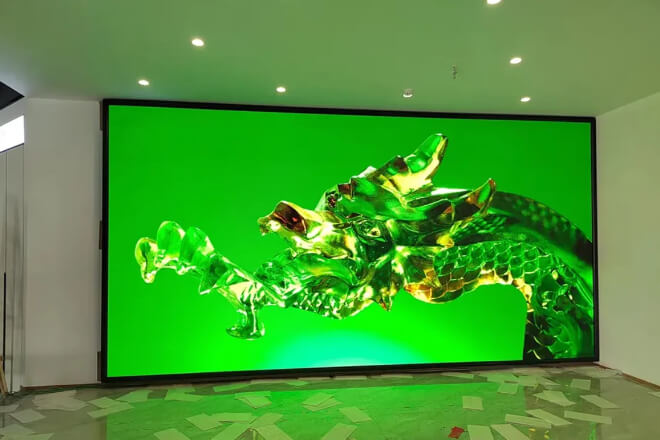
If you’ve been paying attention lately, you’ll notice that LED displays are appearing more and more frequently: shopping malls, stadiums, stores, exhibitions—they’re everywhere.
This isn’t because they’ve suddenly become popular, but rather because more and more users are voting with their budgets—finding them genuinely useful and worthwhile.
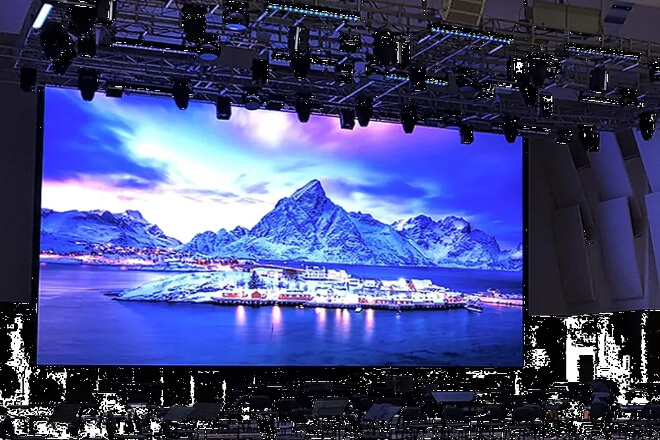
Previously, many people associated LED displays with “advertising screens.” But now, their identity has changed drastically.
From an “optional device” to a “standard configuration” for many industries. In other words, more and more industries are saying, “This scenario seems to need a screen.”
First, the demand from the retail industry is clearly growing. Shopping malls, brand stores, and chain stores are all using LED screens for window displays, event promotions, and new product launches.
Previously, it was about pasting posters; now it’s about dynamic content rotation—the appeal is on a completely different level.
Passersby who were initially just “browsing around” are drawn into the store by the screen—this conversion is very direct.
Secondly, there’s the sports and event scene. From football fields and badminton halls to ski resorts and marathon tracks, LED screens have become a standard feature.
Score displays, live event broadcasts, advertising exposure, and on-site interaction all rely on LED screens. Many venue owners now think, “Without screens, the games seem to lack atmosphere.”
Look at commercial real estate and corporate spaces. Office building lobbies, exhibition halls, conference centers.
And park entrances—more and more projects are incorporating LED screens directly into their design schemes.
Because it’s not just a display device, but also a “space ambassador”—a good screen can instantly enhance the sense of technology and professionalism.
More importantly, the application scenarios are becoming increasingly diverse. Previously, people only thought of “playing advertisements.”
Put now it extends to navigation, information dissemination, interactive experiences, brand display, data visualization…
Almost every industry can find its own usage logic. It can be said that “one screen corresponds to one scenario,” naturally leading to a growing market.
To give a very practical example: Previously, clients might ask, “Do we need to install LEDs?”; now, they are more likely to ask, “How big should we install them, where should we install them, and how can we use them for the best effect?”
This shows that the demand has shifted from “whether we need them” to “how to match them.”
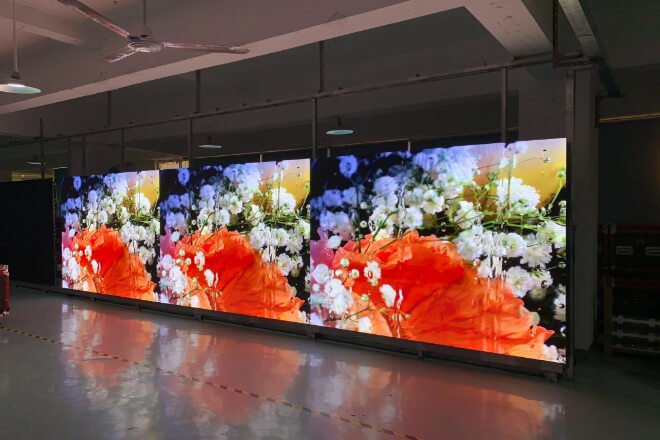
Previously, many customers’ first reaction to LED displays was, “This must cost a lot of money, right?”
Now, more and more people are thinking, “How long will it take to recoup the investment in this screen?”—because its investment value is becoming increasingly easier to calculate.
First, LED displays are a typical one-time investment with years of use. Unlike traditional materials like posters and inkjet printing.
Which require remaking every time the content is changed, LED screens can have their content updated indefinitely once installed.
Today it can broadcast an event, tomorrow a new product, and the day after a live sports broadcast.
The equipment remains the same, but the uses keep changing, resulting in lower costs in the long run.
For example, a store used to change its window posters every month, incurring significant expenses annually.
After switching to an LED screen, the content can be updated and uploaded instantly, saving on printing costs, and the screen itself almost recoups its cost.
Second, it can also generate continuous revenue. The most typical examples are advertising and brand display—shopping malls can sell advertising space.
Sports stadiums can provide exposure for sponsors, corporate showrooms can enhance brand image, and stores can directly boost sales.
It’s not a “spend and go” device, but an asset that “continuously creates value.”
Furthermore, its multi-scenario applications further increase its utilization rate. During the day, it’s used for information dissemination; at night, it switches to event promotion.
During the week, it serves as a corporate showcase; and on holidays, it becomes the main focus of marketing.
One screen does multiple tasks, making even bosses feel, “This money was well spent.”
Therefore, more and more people are beginning to see LED displays as a value investment, rather than simply a cost expenditure. It’s not something you buy to “set up,” but something you buy to “work.”
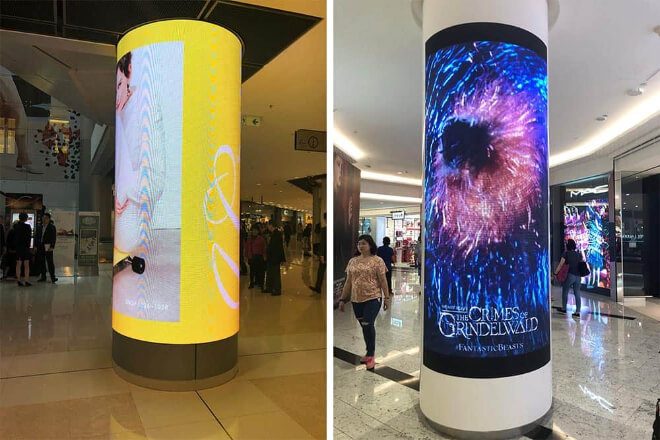
Previously, many customers worried about LED displays: “Is the effect good enough? Will it become obsolete quickly?”
Now, these concerns are diminishing because the rapid pace of LED technology upgrades has made “buying a screen” increasingly worthwhile.
First and foremost, the most obvious change is clearer image quality. The continuous upgrades in technologies such as small pitch, high definition, and high refresh rates have transformed the image from “readable” to “beautiful.”
Whether it’s shopping mall advertisements, sporting events, or corporate showrooms, colors are more vibrant, details are clearer, and even up close, there’s no noticeable graininess.
Simply put, before it was “having a screen,” now it’s “this screen is truly high-end.”
For example, when playing the same product promotional video, viewers might have simply “seen” it before.
Now, with high-definition LED displays, even the surface details of the product are crystal clear, making viewers want to watch for a few more seconds—and those few seconds often represent a difference in appeal.
Secondly, product lifespan is longer, and maintenance costs are lower. Many LED modules and power systems now offer higher stability, fewer dead pixels, and longer lifespans.
Previously, there was the worry of “frequent repairs,” now it’s more about “peace of mind for many years after installation.” For customers, this “worry-free” experience is itself a valuable asset.
Furthermore, energy-saving technologies are becoming increasingly mature. High-efficiency LED chips, intelligent brightness adjustment, and low-power drivers allow screens to maintain their performance while saving electricity.
Especially for outdoor and commercial screens that operate long-term, this means monthly electricity bills will be more “friendly.” Bosses are usually in a better mood when they see the bill.
Another crucial point cannot be overlooked: the overall enhanced experience brought about by new technologies.
For example, smarter control systems, faster content switching, more convenient remote management.
And even new features like naked-eye 3D and interactive displays are transforming LED displays from mere “playback tools” into more expressive digital media.
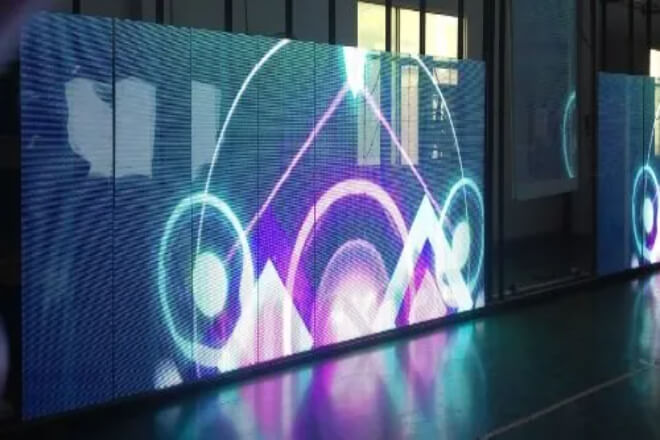
Many companies are now focusing on one thing—”digitizing” their brands. Previously, brand display relied on posters, light boxes, and brochures.
Now, more and more companies are realizing that static content alone is insufficient to make their brands “more present.”
Firstly, companies are increasingly emphasizing visual marketing. Everyone understands that user attention is increasingly valuable; whoever attracts attention first has a greater chance of being remembered.
LED displays are naturally suited for this—bright, dynamic, and with a strong presence, they are difficult for passersby to completely ignore.
For example, when a new product launch is announced in a store, a poster might only get a “glance.”
But an LED screen playing dynamic videos, with product rotation, scene changes, and promotional information appearing simultaneously.
Will cause many people to unconsciously slow down—this is the difference in visual appeal.
Secondly, dynamic content is more effective than traditional advertising. Static advertising is “you look at me”; dynamic content is more like “I actively reach out to you.”
Videos, animations, and real-time interactive content are easier to remember and better suited to today’s “screen-saturated era” of communication. Brands wanting to be seen naturally prefer this medium.
Therefore, LED displays are gradually becoming an important tool for brand presentation. Whether in retail stores, corporate showrooms, press conferences.
Or shopping mall atriums, it’s no longer just a “screen,” but an integral part of brand expression.
Many brands even design their entire marketing campaign around the content displayed on the screen—because the screen has become the “protagonist.”
Looking at it on a larger scale, this reflects the continued growth in market demand for digital displays.
Enterprise digital transformation is not just about software upgrades, but also includes the digital expression of offline spaces.
And LED screens are precisely the key entry point connecting “space” and “content.”
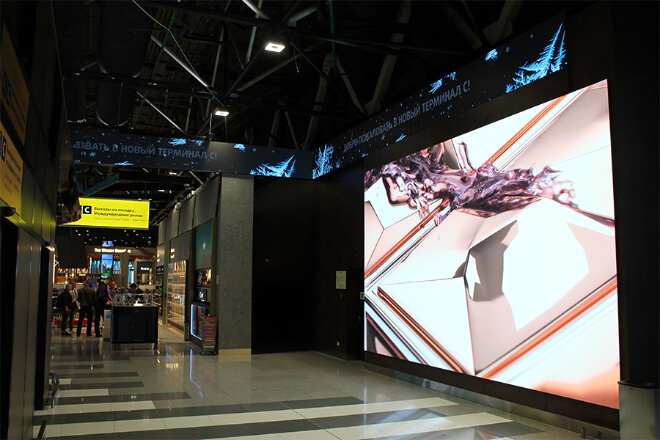
Many industries have a “window of opportunity,” and the LED market is no exception. Entering too early means immature technology and high costs.
Entering too late means fierce competition. This current stage presents an ideal time – it’s arguably “the time to act.”
First, the market is mature enough. From product types to supply chains, from installation services to content operations, the entire industry is far more standardized than it was a few years ago.
Customers have more choices: those with high budgets can opt for high-end solutions, while those with limited budgets can find suitable configurations; it’s no longer a matter of “only one expensive option.”
For example, choosing a screen used to be like “opening a blind box” – a bit nerve-wracking before buying; now it’s more like “ordering from a menu.”
With size, brightness, spacing, and application scenarios all customizable to individual needs. The choices are clearer, and decisions are easier.
Second, the technology is very stable. More mature display effects, more intelligent control systems, and longer product lifespans mean significantly reduced procurement risks.
Previously, the worry was “will I make a bad purchase?”Now, the concern is more about “will I miss an opportunity if I buy too late?”
Looking at the market side, application demand continues to grow. Retail, sports, commercial real estate, cultural tourism, corporate displays…
More and more industries are constantly adding new demands, indicating that the market isn’t “nearing its peak,” but rather still expanding. The industry space remains, and so do the opportunities.
More importantly, the earlier you establish a presence, the easier it is to gain an advantage.
Whether it’s building channels, projects, or a brand, those who enter early often acquire customers, accumulate case studies, and establish a reputation while others are still “watching.”
By the time the market heats up and others are still looking for opportunities, you may already be ahead.


 English
  Español
  简体中文
简体中文  Français
  日本語
日本語  한국어
한국어  العربية