
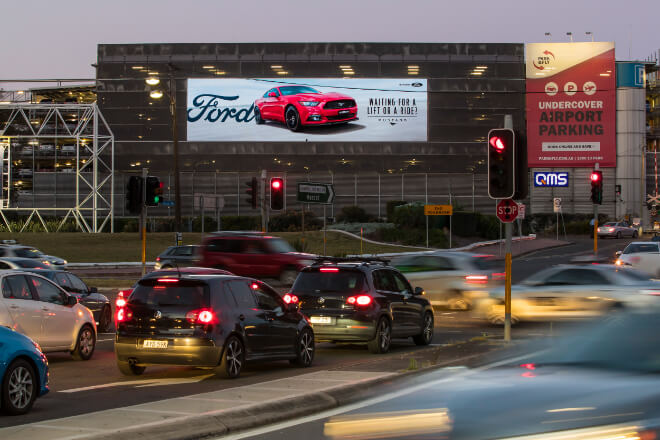
Buying LED displays is often a headache, isn’t it? A ton of specifications, prices varying widely—which supplier is reliable, and which screen is right for your needs?
Especially for digital signage projects, which not only need to be eye-catching and attractive, but also stable, durable, and flexible.
To maximize the value of your investment and avoid future problems, you need to put a lot of thought into selecting suppliers, evaluating products, and considering technology and service.
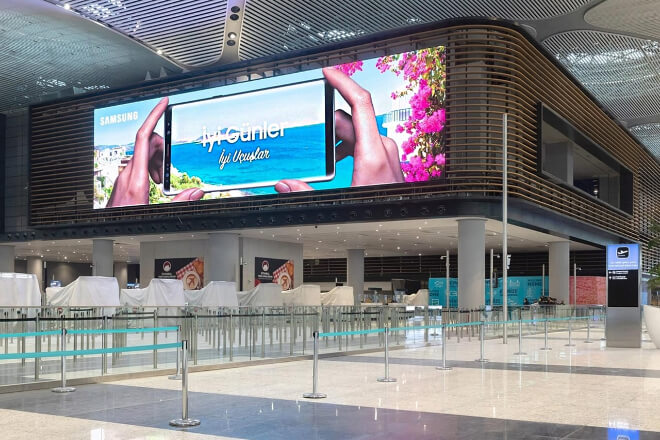
Have you ever noticed what first catches your eye when you enter a shopping mall, restaurant, or exhibition hall?
It’s often not the paper posters on the wall, but those bright, large screens with dynamic images.
This is the value of digital signage; it can grab customers’ attention immediately, making information easier to notice and remember.
1) Visual Impact
The bright and vivid images of digital signage can attract customers immediately.
For example, large screen advertisements at shopping mall entrances dynamically display new product.
And event information, making it easier for people to stop and look than traditional paper posters.
2) Flexibility
Digital signage allows for real-time content adjustments without the need for reprinting posters.
Promotions, seasonal new products, and holiday themes can be displayed instantly, making advertising more relevant to market changes.
3) Data-Driven
More advanced digital signage can collect user behavior data, such as click interactions and dwell time, providing insights for subsequent marketing.
Businesses can optimize content and placement strategies based on this data, improving marketing precision.
4) Cost-Effectiveness
While disposable posters are inexpensive, the need for constant printing leads to high accumulated costs.
Digital signage is a one-time investment for long-term use; content updates are handled by software, saving both money and increasing efficiency.
Given these needs, LED displays have become the best choice for digital signage. They offer clear images, high brightness.
And a wide viewing angle, and can dynamically play various content, display in sections, or be spliced into large screens, making advertisements, interactive information, and promotional content more vivid and intuitive.
Whether it’s capturing a customer’s first glance, rapid updates, or precise marketing, LED screens meet the core needs of digital signage, making business scenarios more efficient and vibrant.
LED displays have become the preferred choice for digital signage for several key advantages.
First, high brightness and visibility. Whether in strong outdoor sunlight or complex indoor lighting environments, LED screens remain clearly visible, ensuring information is conveyed smoothly at all times.
This is especially important for 24/7 use—advertisements, announcements, or event content will not become blurry due to changes in lighting.
Second, high-definition display and fine-pitch technology. Whether it’s text, images, or video, LED screens deliver a crisp and clear effect.
This not only makes information easier to read but also significantly enhances brand image and advertising appeal, encouraging users to stay and pay attention for longer.
For example, in shopping malls, high-resolution LED advertising screens are more likely to attract passersby’s attention, increasing advertising conversion rates.
Third, high stability and long lifespan. LED screens can support 24/7 continuous playback, with low maintenance costs and a high long-term return on investment.
For commercial digital signage, this means a one-time investment can last for many years without frequent replacements or repairs, saving time, effort, and money.
Finally, there’s flexibility and scalability. LED screens support split-screen, multi-screen splicing.
And even interactive functions, allowing for rapid adjustments to displayed content to easily adapt to changes in marketing strategies or events.
Whether it’s multi-screen splicing at large exhibitions or interactive screens in shopping malls, LED displays offer flexible solutions.
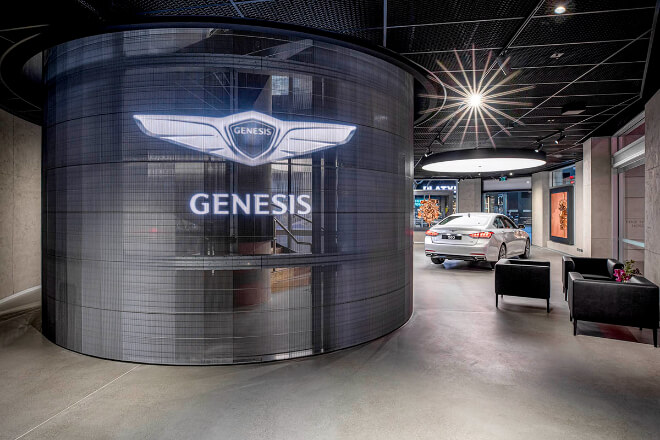
The value of LED displays goes beyond simply making information eye-catching in the short term.
Its true value becomes more apparent over long-term use. Firstly, it makes advertising and information dissemination more effective.
Whether it’s mall promotions, traffic signs, or event advertising, high-brightness, high-definition screens ensure clear content presentation, attracting more attention.
Simultaneously, LED screens can also enhance a brand’s image. High-definition images, stable colors, and creative display methods give brands a more technological and professional look.
Moreover, content can be updated at any time, allowing for quick adjustments for holiday events or new product launches, keeping customers interested and increasing repeat business.
Furthermore, LED screens are a flexible marketing platform. Compared to traditional billboards, you can change content, split screens.
And even create interactive displays at any time, quickly responding to market and event needs, making marketing more timely and targeted.
In the long run, although the initial investment in LED screens is not low, their high stability, long lifespan, and low maintenance requirements mean that the total cost is actually more cost-effective than many other display solutions.
A one-time investment lasts for several years, avoiding the hassle of frequent replacements and saving considerable maintenance and labor costs.
 English
  Español
  简体中文
简体中文  Français
  日本語
日本語  한국어
한국어  العربية