

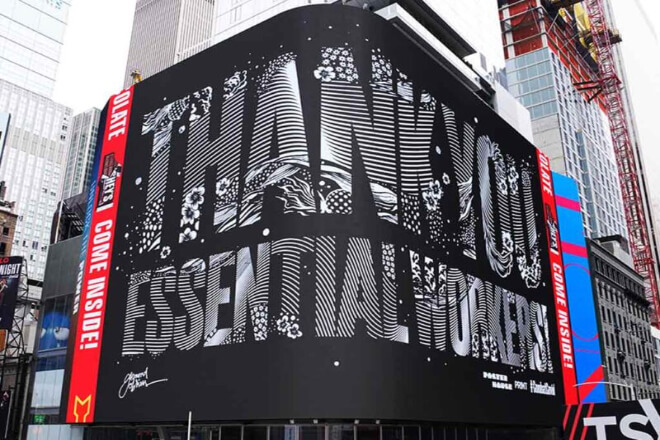
In outdoor advertising, LED displays are like the brand’s “high-powered eyes.” A “good angle” is crucial to being seen by more people.
After all, no matter how large or dazzling the screen is, if it’s placed in a corner where no one walks, it’s just decoration.
The ideal location, of course, is the densely populated core city nodes. Core business districts and large commercial complexes act as “traffic magnets” for the city—high foot traffic, longer dwell times, and concentrated attention.
Placing a large screen here is equivalent to placing the brand directly in the “C position” where everyone is sure to pass by; no one can miss it.
Transportation hubs are also “golden battlefields.” Airports, high-speed rail stations, and subway stations are always bustling with people, whose eyes are often idle while waiting for trains or flights.
At this time, LED screens act like clever little assistants, subtly delivering brand information and capturing the attention of every potential consumer.
Furthermore, screens in main urban roads and landmark areas not only have high exposure but also easily become “city memory spots.”
You might not remember the advertising copy, but you’ll definitely remember that super eye-catching large screen—and the brand is remembered accordingly.
Simply put: outdoor LED advertising display must “find the right location first.” Like a concert, a well-built stage and excellent lighting ensure a great viewing experience.
Similarly, a screen placed in the right location ensures true brand exposure and widespread recognition.
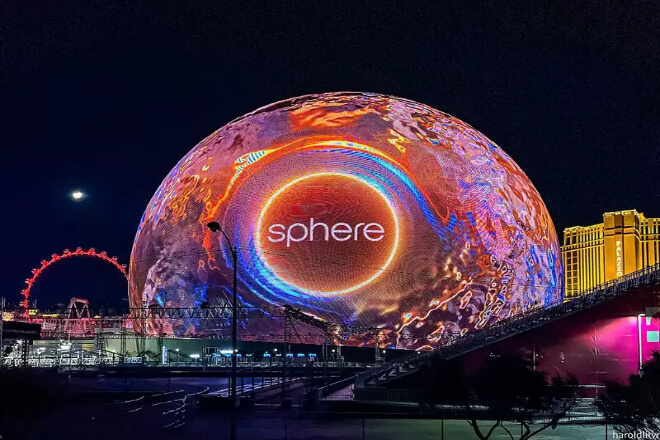
In urban outdoor advertising, relying solely on a single LED display screen is often insufficient to generate genuine brand awareness.
The truly effective approach is to utilize multiple screens together, like a well-coordinated communication team.
By simultaneously displaying content across multiple LED screens, brand information can appear in different areas.
You see it once in the subway station in the morning, again when passing through a shopping district at noon.
And once more on a landmark screen on your way home in the evening—this “familiarity” isn’t a coincidence, but rather a planned, repeated encounter with you by the brand.
The combination of “shopping district + transportation hub + landmark” is particularly suitable for city-wide communication.
Shopping districts cater to high-dwelling crowds, transportation hubs handle high-frequency pedestrian traffic, and city landmarks provide topicality and visual memorability.
Working together, it’s like the brand has laid out a luminous communication map throughout the city.
The biggest change in this approach is the upgrade from “single-point exposure” to “city-wide coverage.”
The brand no longer just appears in one place, but is continuously present in people’s daily paths.
You might not consciously remember it, but it will repeatedly enter your field of vision, gradually transforming into familiarity and trust.
More importantly, repetition itself is a form of memory reinforcement. Advertising isn’t afraid of you not noticing it the first time; it’s afraid of you never encountering it at all.
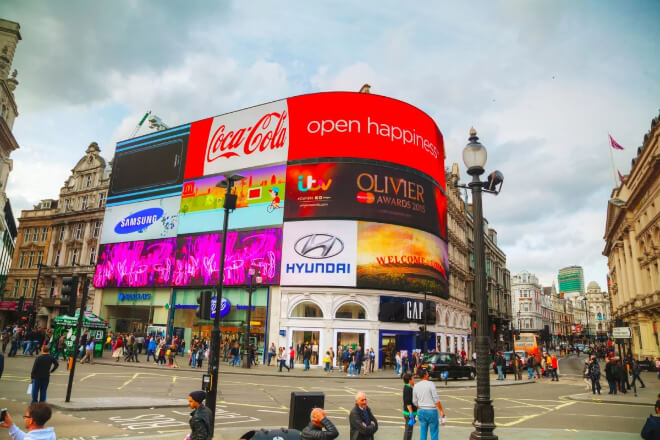
In outdoor LED advertising dispaly, static images are like statues in suits—imposing, but unlikely to attract attention.
In contrast, dynamic content is like a “street magician” who blinks and leaps, instantly grabbing the attention of passersby.
Video content instantly brings brands to life: sliding product details, flowing light and shadow, short, fast-paced special effects transitions…
Even just a few seconds can make passersby glance at the screen and linger for a second longer. The stronger the visual rhythm, the easier it is to lock attention.
If you integrate the brand story, the LED screen becomes more than just “selling things”; it tells a story, reveals hidden surprises, and subtly fosters a positive impression of the brand.
For example, showcasing the dynamic process of a handbag from design to finished product is both visually appealing.
And plants the seed of the brand’s philosophy in the mind—the viewing time is short, but the memory is long.
Simply put, dynamic LED content is like an eye-catching street performer—it attracts attention with its movement and tells a story that’s memorable, leaving a stronger brand impression than static advertising.
In outdoor LED advertising, static images are like statues in suits—imposing, but unlikely to attract attention.
In contrast, dynamic content is like a “street magician” who blinks and leaps, instantly grabbing the attention of passersby.
Video content instantly brings brands to life: sliding product details, flowing light and shadow, short, fast-paced special effects transitions…
Even just a few seconds can make passersby glance at the screen and linger for a second longer. The stronger the visual rhythm, the easier it is to lock attention.
If you integrate the brand story, the LED screen becomes more than just “selling things”; it tells a story, reveals hidden surprises, and subtly fosters a positive impression of the brand.
For example, showcasing the dynamic process of a handbag from design to finished product is both visually appealing.
And plants the seed of the brand’s philosophy in the mind—the viewing time is short, but the memory is long.
Simply put, dynamic LED content is like an eye-catching street performer—it attracts attention with its movement and tells a story that’s memorable, leaving a stronger brand impression than static advertising.
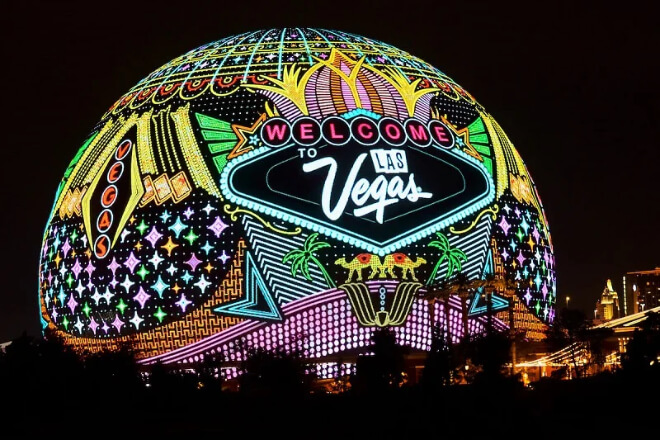
In urban outdoor LED advertising display, the same screen can play many roles throughout the day.
The key isn’t just what to display, but when and to whom—that’s the intelligence of time-based segmentation.
Morning and evening commutes are when the peak working hours are.
Large screens near subway entrances, bus stops, and office buildings are best suited for displaying content related to coffee, breakfast, transportation services, and finance.
After all, people are looking at screens while commuting, so the information needs to be fast, accurate, and direct, ideally like a simple “Good morning, check this out while you’re at it.”
During the day, the demographics of shopping districts and complexes shift, with a stronger consumer focus. Restaurants, retail, and lifestyle brands are better suited for this time slot.
For example, seeing new product promotions during lunch breaks or brand events while shopping in the afternoon makes it easier for ads to connect with real consumer behavior.
As night falls, the city’s focus shifts again. Night markets, pedestrian streets, and areas around entertainment venues experience a significant increase in foot traffic.
Making it ideal for enhancing the exposure of entertainment, fashion, and brand events.
Nighttime itself creates an atmosphere, and with LED screens lit up, advertisements are more likely to “go viral.”
This method of switching content based on time is like giving the same screen a “day shift” and a “night shift.”
Daytime focuses on efficiency, while nighttime focuses on creating atmosphere, making the most of every peak traffic period.
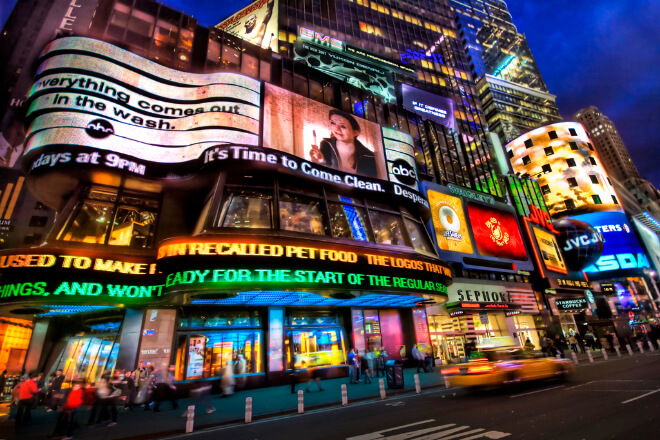
In urban outdoor LED advertising display, truly impressive screens don’t just get people to “see” them.
But rather compel them to take a picture, share it online, and casually add a comment like, “This screen is amazing.”
At this point, the LED display is more than just an advertising space; it’s like a social media-savvy expert.
It knows that when people see something attractive, their first reaction is often not applause, but rather to reach for their phones.
Therefore, content design must first have “photogenic attributes.”
For example, impactful dynamic visuals, creative visual installations, or holiday-limited interactive content can make passersby instinctively stop and think, “Wait, this is worth posting on social media.”
A single photo or short video can take a brand from offline to online.
A smarter approach is to link offline screens with online social media platforms. This includes setting hashtags, interactive challenges, or even easily imitated copy to encourage active participation.
In this way, LED screens are no longer just “playing ads,” but creating a topic for discussion.
Especially for large screens on city landmarks, once the content is designed to be memorable, it easily becomes a “photo backdrop.”
People take photos not only to record the city but also to promote the brand. The advertising changes from “I show it to you” to “You actively share it for me.”
Simply put, the most successful LED ads aren’t those that people watch and leave, but those that make them want to take photos, share them.
And ask their friends, “Did you see that screen?”—that’s when the exposure truly begins to take hold.


 English
  Español
  简体中文
简体中文  Français
  日本語
日本語  한국어
한국어  العربية