

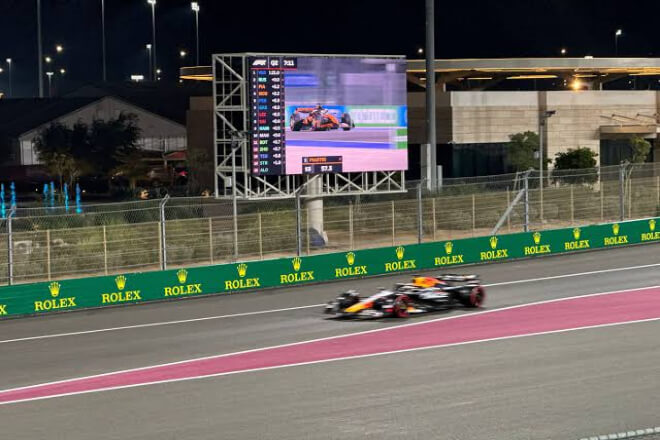
How fast are F1 races? You might just see a car rushing through a corner, and the next second it’s already disappeared into the distance.
For spectators, the speed is incredibly thrilling, but it also presents a small problem—exciting moments are easily missed.
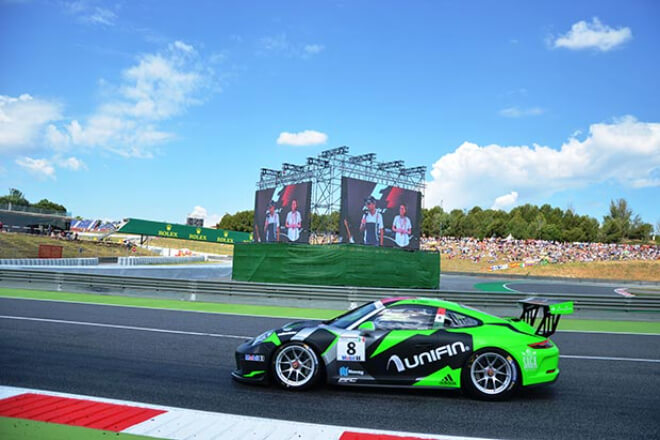
At this point, the LED displays around the track act like a “race commentator,” helping spectators keep up with the pace of the race.
Through LED screens, spectators can view driver rankings, lap times, race progress, and other information in real time.
Even if a car flashes by, they can quickly know what just happened, such as who overtook and who set a new fastest lap time.
Besides real-time data, LED screens can also play replays and key moments.
When a driver pulls off a thrilling overtake on a high-speed corner, the large screen can instantly replay the moment, sending the entire grandstand into a frenzy once more.
For spectators in different positions, the LED screens also create a more balanced viewing experience.
Those in the main grandstand may have a close-up view of the cars, but spectators further away can still catch up on race details through the large screens, ensuring no one misses crucial information due to distance.
After all, F1 racing is all about milliseconds, and the spectator experience requires timely updates.
LED displays present the speed and passion of the track more completely, allowing every spectator to truly participate in this high-speed spectacle.
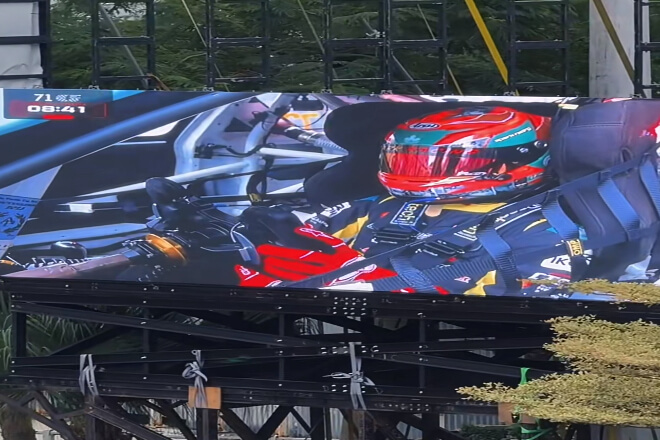
On the F1 circuit, a car may only be out of the spectator’s sight for a few seconds, but brand exposure can linger in their memory.
The LED displays around the track are a crucial tool for sponsors to capture this “high-speed attention.”
Compared to traditional static billboards, the biggest advantage of LED screens is that the content can be changed at any time.
Sponsors can not only display their brand logos but also play product information, event partnership content, and brand stories, ensuring that advertising is not just “present” but truly seen.
Especially in scenes where race cars are speeding by, dynamic visuals are more likely to attract viewers’ attention.
A captivating brand animation or a precise interactive event can become a memorable moment for both on-site spectators and online fans.
For example, when a race car enters a key corner or crosses the finish line, the LED screens along the track simultaneously display brand content.
Creating a synergy between the on-site atmosphere and brand communication, thus enhancing exposure.
Furthermore, F1 events have extensive television broadcasts and social media reach, allowing brand content on the track’s LED screens to enter the global audience’s view, further expanding the sponsorship value.
After all, F1 is not just about speed; it’s also a competition of brand influence.
In those few seconds on the track, LED displays help sponsors transform a single exposure opportunity into a longer-lasting brand memory.
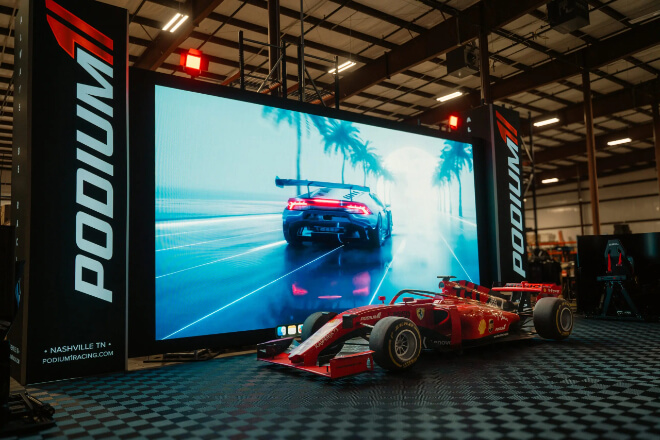
While the F1 scene may appear to be just about 20 cars racing, an “information race” is actually underway outside the track.
Tens of thousands of spectators, multiple activity areas, and constantly changing race information all need to be communicated to everyone on-site in a timely manner.
If information doesn’t keep up, spectators might still be looking for their seats while the race has already started; staff might still be relaying notices while the on-site arrangements have already changed.
LED displays act as “information commanders” along the track, helping event organizers manage the event more efficiently.
By displaying race times, event schedules, and on-site announcements, spectators can quickly obtain important information without constantly checking their phones or searching for staff.
Simultaneously, LED screens also serve as safety reminders and spectator guidance.
For example, in case of weather changes, entrance adjustments, or temporary area changes.
Event organizers can update prompts promptly, guiding spectators to the correct areas and reducing on-site chaos.
For large-scale F1 races, crowd management is also a challenge. By setting up LED information screens in different areas, spectators can find their way to the stands.
Dining areas, interactive experience areas, etc., making the entire viewing process smoother.
After all, F1 is a race against milliseconds, and a successful event also requires sufficiently fast information transmission.
LED displays ensure the excitement on the track continues and also make operations off the track more orderly.
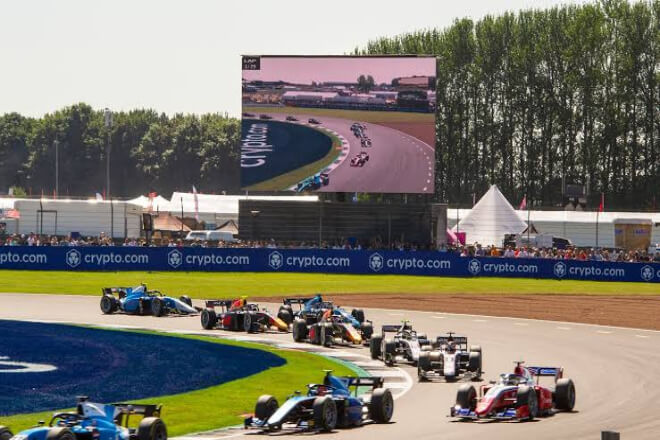
The allure of F1 racing isn’t just the roar of the engines and the sense of speed.
What truly makes it unforgettable for fans is the experience of being surrounded by racing culture from the moment they enter the track.
If the cars are responsible for creating “speed,” then the LED displays are responsible for amplifying that passion.
Around the track, LED screens can display driver introductions, team stories, and historical achievements.
Allowing spectators not only to know who won the race but also to learn more about the stories behind the drivers.
For loyal fans, this content further enhances their sense of identification with the teams and the series.
Meanwhile, dynamic visual effects can also intensify the atmosphere.
Playing driver countdowns before the start of the race, showcasing high-speed driving footage during the race.
And replaying highlights at crucial moments can all keep the audience’s emotions rising with the pace of the race.
Beyond the race area, LED screens can also be combined with lighting design to create themed spaces.
For example, playing exclusive visual content in team exhibition areas and fan interaction areas allows spectators to experience the rich racing atmosphere while taking photos and interacting with the cars.
After all, coming to an F1 race isn’t just about watching a car race past.
Fans want to experience speed, passion, and the unique culture of motorsport, and LED displays are helping to extend this feeling to every corner of the track.
The true commercial value of an F1 race doesn’t just exist for the moment the starting lights go out.
After the race, the enthusiasm of the fans, brand exposure, and on-site consumption opportunities can continue to extend.
And the LED displays around the track are becoming an important gateway connecting the event, brands, and spectators.
Besides displaying race information, LED screens can serve many other commercial scenarios.
For example, they can showcase team content, sponsor activities, and new product information in fan interaction areas.
Enhancing audience engagement and ensuring brands aren’t just “hanging by the track,” but truly integrated into the race experience.
Simultaneously, LED screens can also help increase on-site consumption opportunities.
Event merchandise, souvenirs, food and beverage areas, and interactive activities can all be promoted through dynamic visuals, guiding audiences to discover more on-site experiences.
Even more interestingly, some high-quality LED visual content itself can easily become “photo spots.”
Huge racing car images, team-themed displays, and cool dynamic effects can all become backdrops for spectators to take photos and share, extending the event’s influence from the venue to social media.
For example, setting up large interactive LED screens in the F1 race village or brand experience zones not only attracts fans but also creates more exposure opportunities for sponsors.
After all, modern racing is not just about who’s fastest, but also about who can create the best experience.
LED displays transform the racetrack from a competition venue into a racing space full of interactive, communicative, and commercial opportunities.


 English
  Español
  简体中文
简体中文  Français
  日本語
日本語  한국어
한국어  العربية