

In the past two years, brand roadshows have become increasingly difficult to conduct.
On the one hand, consumers’ attention is constantly being diverted by various content, and traditional roadshow formats relying solely on display boards, explanations, and handing out materials are unlikely to leave a lasting impression.
While the event may seem crowded, it’s often questionable how much of the brand and product impression remains afterward.
On the other hand, the requirements for roadshows themselves are constantly increasing.
Brands want to clearly explain who they are and what makes their products good in a short time, while also encouraging the audience to stop, participate, and interact.
This is not an easy task for any brand. If it’s just a one-way output of information, it easily becomes a “listen and forget” situation, failing to achieve effective communication.
For decision-makers, the real dilemma isn’t whether to hold a roadshow, but whether it’s worthwhile.
How to make each event both efficient and engaging, how to transform audiences from passive observers into active participants.
And even those willing to learn more about the brand, have become crucial questions that roadshows must answer.
Starting from these real pain points within the industry, rethinking the format and experience of roadshows may be the beginning of a breakthrough.
1) High Brightness and Clear Image Quality
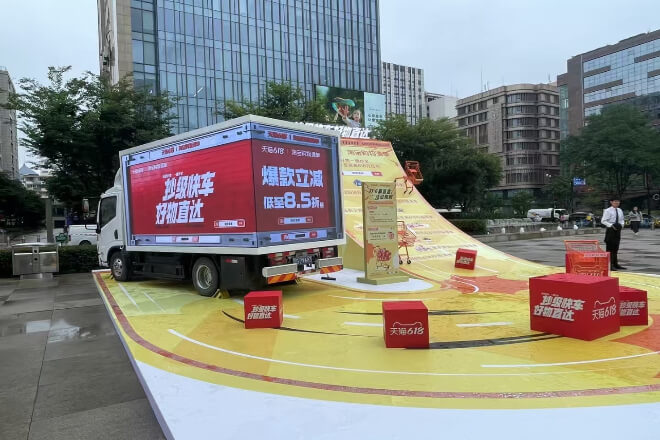
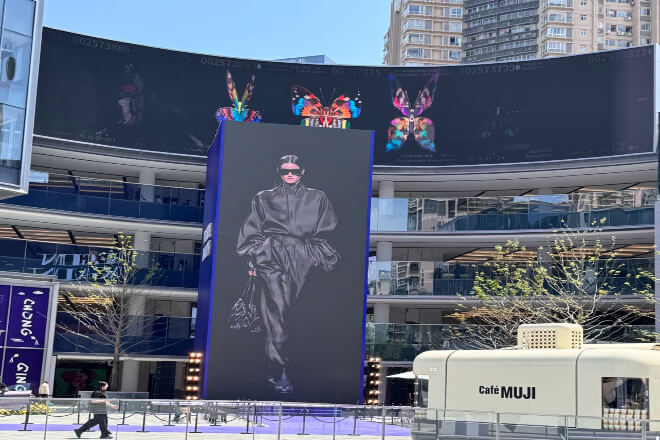
A major advantage of LED screens is their high brightness and clear image quality.
Even outdoors in direct sunlight, the content on the screen remains clearly visible and is not obscured by ambient light.
High-definition image quality not only makes text, images, and videos more vivid but also makes brands more eye-catching.
For example, a car brand used a super-large LED screen to play a new car promotional video during a plaza roadshow.
Even in bright sunlight, passersby could clearly see the details of the car’s body and dynamic effects, attracting many viewers to stop and watch.
2) Flexible Content Presentation
LED screens can play various content: videos, dynamic images, real-time data, and even interactive voting results.
Brands can switch content at any time according to the event flow, making the on-site rhythm more flexible and the audience experience richer.
For example, a beverage brand, in a pop-up event, first used an LED screen to play its brand promotional video, then switched to new product introductions and interactive games.
The audience’s attention was constantly engaged, and the atmosphere was more lively.
3) High Stability and Durability
Roadshow events often require equipment to play continuously for extended periods, making the stability of the LED screen crucial.
It not only runs continuously but is also shockproof, dustproof, and heat-resistant, suitable for various venues and environments.
For example, a technology brand played a promotional video continuously for 8 hours at an outdoor exhibition without any stuttering or blackouts, keeping the audience engaged and projecting a professional and reliable image.
4) Customizability and Creative Expression
LED screens can also be freely combined into curved, wraparound, or transparent creative display formats to meet the needs of different venues.
Brands can use it to create immersive experiences, allowing the audience not only to watch but also to interact and participate.
For example, a beauty brand used a transparent LED screen to display a floating product effect during a shopping mall roadshow, making the audience feel as if they were in a magical space.
This increased their enthusiasm for taking photos and sharing, resulting in better event promotion.
1) Product Display Area
The product display area is the most direct part of a roadshow, its main purpose being to allow the audience to quickly understand the product’s highlights and functions.
LED screens are particularly suitable for displaying high-definition, large-size dynamic images, making the products more vivid and eye-catching.
For example, an electronics brand used an LED screen to play animations of the internal structure of its new products during a roadshow.
The audience could not only see the appearance but also intuitively understand the product’s functions, which was more interesting and easier to remember than simply displaying physical products.

2) Stage Background and Main Visual Area
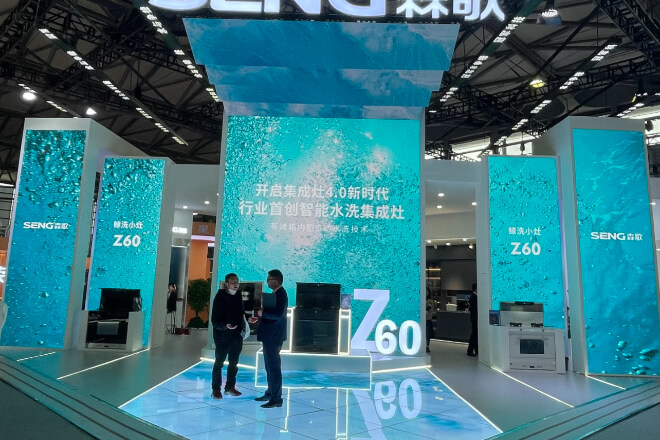
The stage background and main visual area are the core of the event, responsible for attracting the audience’s attention and reinforcing the brand image.
LED screens can be seamlessly spliced into a large screen to play dynamic videos or brand logos, creating a stunning effect.
For example, at a new car launch event, a car brand used a giant LED screen to display city nightscapes and dynamic car footage, keeping the audience’s attention firmly on the stage and instantly creating a lively atmosphere.
3) Interactive Experience Zone
The interactive experience zone allows the audience to not only watch but also participate actively.
LED screens can be combined with touchscreens, AR/VR, and other interactive technologies to enable voting, mini-games, or hands-on experiences.
For example, a beverage brand used an LED interactive wall in a pop-up event, where attendees scanned QR codes to play mini-games, with the results displayed in real-time on the screen.
This not only increased the fun but also made the brand information easier to remember.
4) Social Media Check-in Zone
In today’s roadshows, on-site promotion is only the first step; social media promotion is equally important.
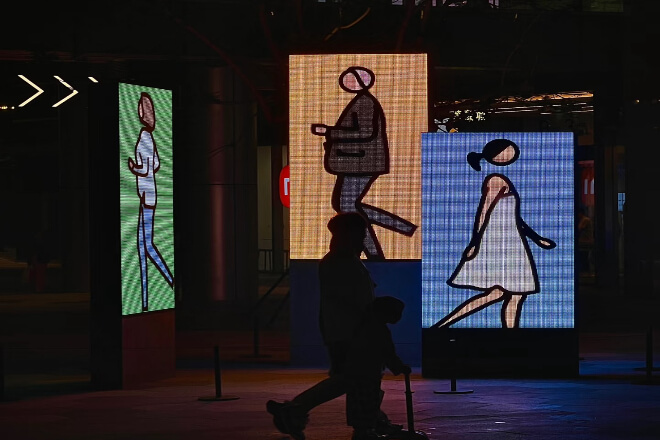
LED screens in the check-in zone use creative, dynamic visuals to attract attendees to take photos, record videos, and share them.
For example, a beauty brand used a transparent LED screen in a shopping mall roadshow to showcase the effect of suspended cosmetics.
Attendees took photos and uploaded them to WeChat Moments or short video platforms, rapidly expanding the event’s influence and generating brand exposure several times greater than the number of attendees at the event.

 English
  Español
  简体中文
简体中文  Français
  日本語
日本語  한국어
한국어  العربية