

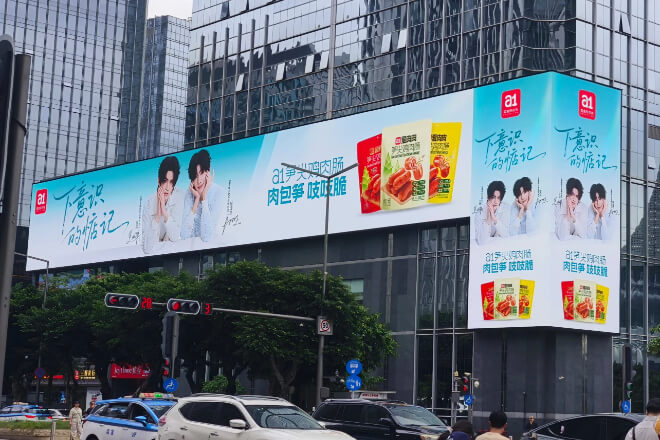
Many shopping mall LED displays were initially used simply to enhance the atmosphere of the space, such as displaying holiday images, event information, or brand promotions.
However, as commercial spaces increasingly value foot traffic, LED displays are transforming from “decoration” into an operational media resource.
The most obvious change is that shopping malls are starting to operate LED screens in high-traffic areas such as entrances, atriums, and escalator landings as advertising spaces.
Compared to ordinary lightbox advertisements, dynamic LED display images are more likely to attract attention, especially in atrium areas where consumers spend a lot of time.
A large, creative screen can often become the visual centre of the entire mall.
For example, some shopping centres use giant LED displays in their atriums to showcase new product launches from luxury brands, holiday-themed events, or brand short films.
Consumers naturally encounter this content while resting or shopping, giving brands stronger visual exposure than traditional print advertising.
For shopping mall operators, the commercial value of LED displays also lies in their “flexible operation.” The same screen can have its advertising content adjusted according to the time of day.
During peak hours, it can display food and beverage promotions, while in the evening, it can showcase fashion brand events;
Different locations and areas with varying foot traffic can also correspond to different advertising prices.
For example, large screens near the main entrance have higher advertising value because more people pass by daily.
While screens in corner locations may be more suitable for event information or long-term brand displays.
Therefore, the true value of shopping mall LED displays is not just about playing images every day after installation.
But about converting the flow of people passing through the mall into brand exposure opportunities.
When operated well, it becomes a digital advertising space that continuously generates commercial value.
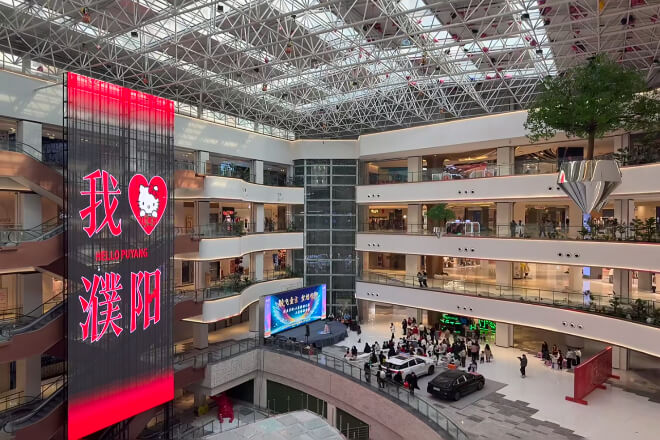
For brands, choosing a shopping mall for advertising involves more than just location; it’s about “how many people will notice it.”
Compared to traditional static advertising such as posters and light boxes, the biggest advantage of LED displays lies in their ability to make advertising content more easily visible to consumers through larger screens and stronger visual effects.
Large-sized LED displays often become visual focal points in shopping mall entrances, atriums, or key passageways.
Dynamic visuals are more likely to attract consumers’ attention than a fixed poster, especially during new product launches, holiday marketing campaigns, or large-scale promotional events. Brands can showcase more content through videos and animations.
For example, some shopping malls use large LED displays to create themed visual scenes during Christmas, Chinese New Year, or shopping festivals.
Brand advertising is no longer just about displaying logos and products; it uses story-driven video content to leave a deeper impression on consumers as they shop.
Furthermore, LED displays have another advantage over traditional advertising spaces: the content can be continuously updated.
The same advertising location can display multiple pieces of content in rotation according to different brand needs, creating more exposure opportunities within a limited space.
For shopping mall operators, this also means that one advertising space can serve more brand clients.
Of course, the ultimate value of advertising depends on the exposure effect. When consumers pass through the same area daily and see brand content multiple times, brand awareness is continuously strengthened.
This is why more and more brands are willing to invest budgets in LED display advertising in high-traffic commercial spaces.
Simply put, LED displays not only enhance the visual effect but also transform mall advertising space from “one-time display” to “continuous exposure.”
This translates to higher commercial value for both brands and malls.
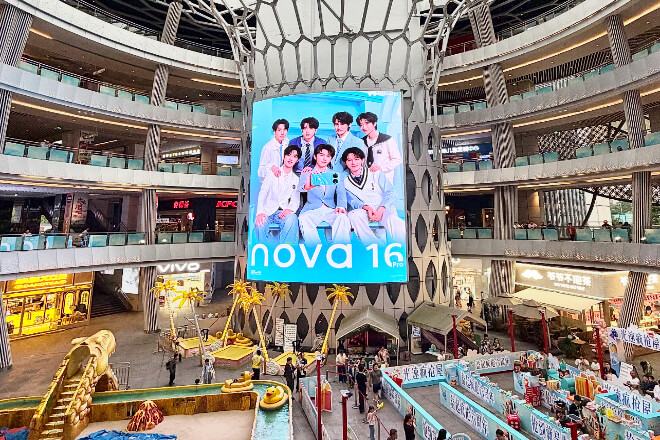
Many mall LED displays not only advertise for external brands but also serve as a promotional channel connecting the mall with its internal merchants.
For restaurants, retailers, and entertainment businesses, ensuring their stores are noticed by shoppers is a crucial issue.
Compared to posters or ordinary signs at store entrances, LED displays can showcase merchant information more intuitively.
For example, new product launches, limited-time discounts, membership activities, or special offers can be quickly conveyed to passing consumers through dynamic visuals.
For instance, if a new restaurant opens in a mall, many consumers might not even notice it if only the store sign is displayed.
However, displaying opening offers, menu items, and event information on the atrium LED screen can attract customer attention in advance and guide them to the store.
During holiday marketing periods, the flexibility of LED displays becomes even more apparent.
For important holidays such as Chinese New Year, Christmas, Black Friday, or shopping festivals, shopping malls can quickly launch themed content and coordinate with different merchants to launch activities.
For example, beauty stores promoting holiday gift sets, clothing stores displaying new product discounts, and restaurants offering limited-edition set meals can all be promoted through unified visual content.
For shopping mall operators, LED displays also provide new business cooperation opportunities.
Besides enhancing the overall shopping experience, advertising display services can be offered based on merchant needs, giving merchants more exposure and generating additional revenue for the mall.
Therefore, shopping mall LED displays are not just “playback devices”; they are more like a digital marketing portal connecting consumers and merchants.
Used effectively, they can help merchants attract customers and enhance the operational value of the entire commercial space.
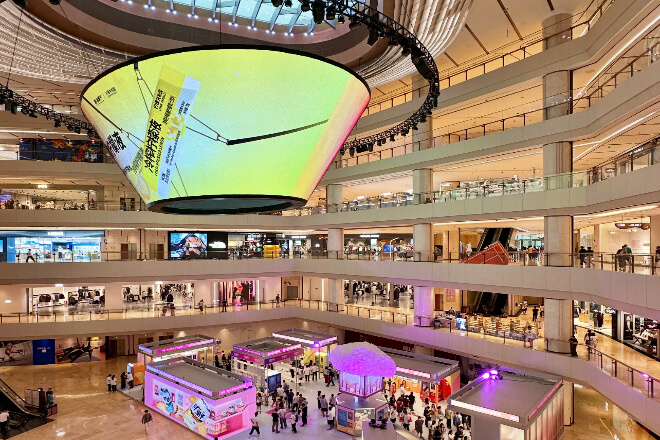
Many shopping malls are now no longer just selling goods, but creating “experience spaces.”
With the increasing prevalence of brand pop-ups, new product launches, and holiday events, LED displays have become a crucial tool for connecting brands and consumers.
Compared to traditional backdrops, the biggest advantage of LED displays is their ability to dynamically change content.
For new product launches, brands can play product videos, brand stories, or visual animations.
For pop-up events, customised visuals can be created to enhance the atmosphere of the entire space.
For example, some international shopping malls utilise large LED displays in their atriums to simultaneously showcase new product visuals for luxury brands, extending the event beyond a single booth to the entire mall space.
Even passersby unfamiliar with the event will be drawn to the large screen content, generating interest.
Beyond the event itself, LED displays can also participate in pre-event marketing. Before the event, preview content can be played to attract customers.
During the event, real-time visuals and interactive content can be displayed. After the event, brand promotions can continue to play, extending exposure time.
For shopping malls, this also increases the possibility of advertising partnerships.
What might have initially been a simple pop-up event involving only venue rental can now be transformed into a more comprehensive brand promotion plan by combining LED display screens, on-site interaction, and online dissemination.
Simply put, LED displays are no longer just a “backdrop” for an event; they are marketing tools that help brands amplify their influence.
By integrating with commercial activities, they can generate longer-lasting advertising value from a short-term event.
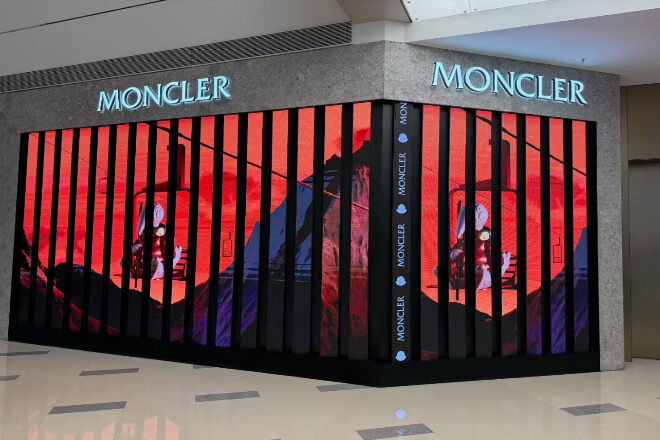
The true value of an LED display screen doesn’t come from a single advertising placement, but from its long-term operational success.
For shopping malls, installing the screen is just the beginning. How content is arranged and advertising resources are managed subsequently determines its commercial revenue.
First, shopping malls need to establish a reasonable advertising content schedule. Different brands have different promotional needs:
Some focus on new product launches, some need holiday promotions, and some want to increase brand exposure in the long term.
By planning the playback schedule in advance, content duplication can be avoided, and different advertisers can achieve better display results.
For example, during weekends when foot traffic is high, promotional content for catering and retail brands can be scheduled;
During weekdays, more brand image advertisements or mall event information can be displayed.
Adjusting content based on consumer viewing times is more effective than simply looping ads.
Furthermore, advertising effectiveness is increasingly valued. Some shopping malls now combine foot traffic data and event feedback to evaluate the value of different advertising locations and times.
For example, identifying which time periods attract more viewers and which types of content are more likely to keep viewers engaged can help optimise advertising operations.
For shopping mall operators, LED displays are not a one-time investment but a long-term asset.
Only by continuously updating content and optimising playback strategies can the screen transform from a display device into a continuously revenue-generating business resource.
Simply put, good LED display advertising operation is not about “putting ads on and calling it a day,” but about making each playback more relevant to consumers and maximising the value of each screen.


 English
  Español
  简体中文
简体中文  Français
  日本語
日本語  한국어
한국어  العربية