

In modern sports venues, LED displays are gradually replacing traditional advertising formats, becoming a new, powerful tool for brand promotion. This is mainly due to its several core advantages.
First, high brightness ensures that advertisements are clearly visible in any environment—whether under direct sunlight during the day or artificial lighting at night.
The image quality remains unaffected, allowing information to be easily captured by the entire audience.
Second, a high-definition display makes advertisements vivid and realistic.
It can not only present static text and images but also play videos, animations, and even real-time event data, enhancing visual impact and audience recall.
Furthermore, LED displays offer high energy efficiency and a long lifespan, resulting in lower long-term maintenance costs compared to frequently replaced banners and posters.
While also reducing the manpower and material resources required for advertising updates.
They possess exceptional flexibility and interactivity: advertising content can be quickly changed, supports multiple advertisers for rotation.
And can even be interactively integrated with real-time event updates, enriching the audience experience.
From a cost-return perspective, if a venue invests $50,000 in an LED advertising screen and sells 10 advertising slots per event at $300 per slot,
Event advertising revenue alone can reach $75,000–90,000 over 25–30 events, with a payback period of only 1–3 years.
In addition, these LED advertising screens are not only effective during events but can also be used for advertising or promotion during non-event periods (such as concerts, exhibitions, and cultural events), achieving diversified revenue streams.
In conclusion, LED displays significantly outperform traditional banners and posters in terms of visual impact, flexibility, interactivity, and economic benefits, making them an ideal choice for sports venue advertising.
In sports venues, the uses of LED displays go far beyond simply “showing advertisements.”
Depending on their installation location and function, they can play a role in multiple scenarios, enhancing the atmosphere of the game and making brand exposure more efficient.
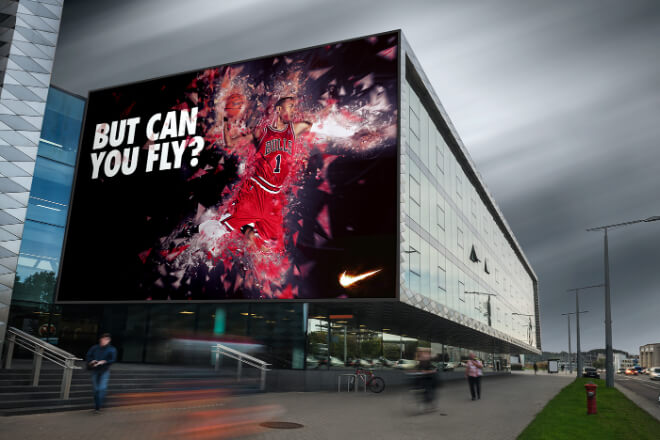
- Exterior of the Venue
Outside the stadium, you’ll see large outdoor LED screens hanging at the entrance, on the facade, or along main traffic routes.
They are typically used to display brand advertisements, event information, event previews, or countdowns.
The screens are bright and vibrant, clearly visible even from a distance or in sunlight.
They are more likely to catch the eye of passersby than traditional banners, creating a strong sense of the event atmosphere upon entering and providing sponsoring brands with higher exposure.
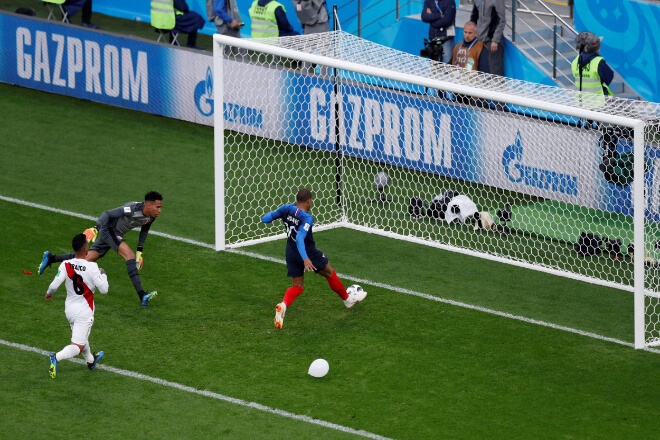
- Interior of the Venue
Once inside the venue, the functions of LED displays expand even further. Screens along the field perimeter, scrolling screens beside the stands.
Or large screens in the spectator tunnels can all play dynamic advertisements, sponsor information, score data, or highlight reels.
Compared to static billboards, these screens can update content in real time and even adjust advertising strategies according to the pace of the game.
Dynamic visuals not only attract more audience attention but also enhance the immersive experience of the event.
Ensuring that both advertising and game content are remembered by the audience.
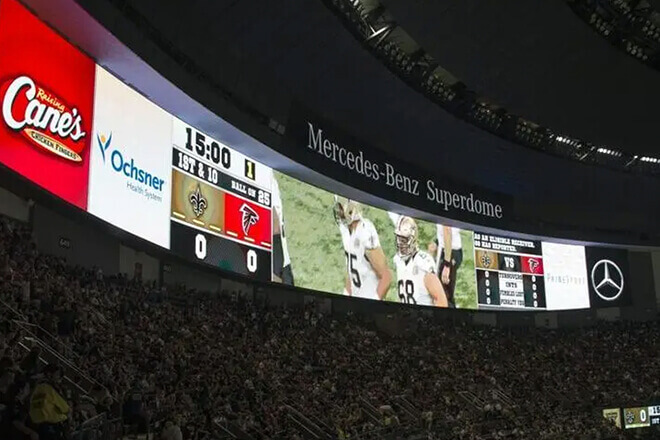
- VIP Areas and Rest Areas
In VIP boxes, VIP rest areas, or spectator rest areas, LED screens not only display game information and brand advertisements but also provide interactive experiences.
For example, spectators can use touchscreens to check game results, participate in voting, or receive sponsor discounts.
Such interactivity not only makes spectators feel more valued but also makes advertising more valuable—advertising is not just for viewing but also for “playing,” enhancing the brand’s added value.
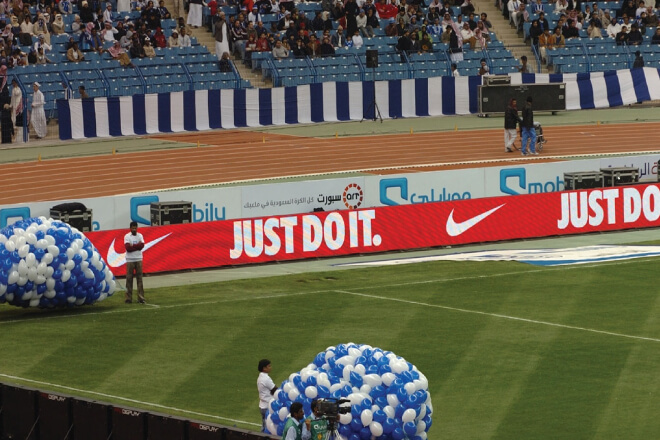
In modern sports stadiums, LED displays are not just advertising tools; they are also crucial for enhancing the spectator experience.
By using LED screens effectively, spectators can not only better follow the game’s progress but also enjoy a richer and more interactive on-site experience.
- Real-time Score and Game Information Display
LED displays can show game scores, times, team statistics, and game reminders at any time, allowing spectators to stay informed about the game’s progress.
No matter which row you sit in the stands, you can clearly see the match information and won’t miss any key moments.
This real-time display not only makes watching the game more convenient but also increases the audience’s engagement.
- Instant Replay and Highlight Replays
Matches inevitably feature exciting goals, crucial defensive plays, or controversial decisions.
LED screens can quickly play instant replays, allowing viewers to see the highlights immediately and avoid missing any key moments.
Compared to traditional broadcasts or static screens, the high-definition and large-screen display of LED screens makes replays more impactful.
Enhancing the atmosphere and allowing every spectator to participate in the game’s climax.
- Integration of Dynamic Advertising with Event Content
Modern LED displays not only play advertisements but also integrate them with the event content.
For example, during halftime or pauses, LED screens can display interactive Q&A, brand quizzes, or real-time data analysis, closely linking advertising with the event while enhancing engagement.
This way, viewers are not only attracted by the advertisements but also feel the interaction between the brand and the game, resulting in a richer and more immersive viewing experience.
Through these methods, LED displays allow viewers not only to “watch the game” but also to “participate in the game’s atmosphere.”
Clear scores, readily available highlights, and the integration of dynamic content and interactive advertising into the event all contribute to a more immersive.
And engaging experience, forging a stronger connection between the audience, the competition, and the brand.
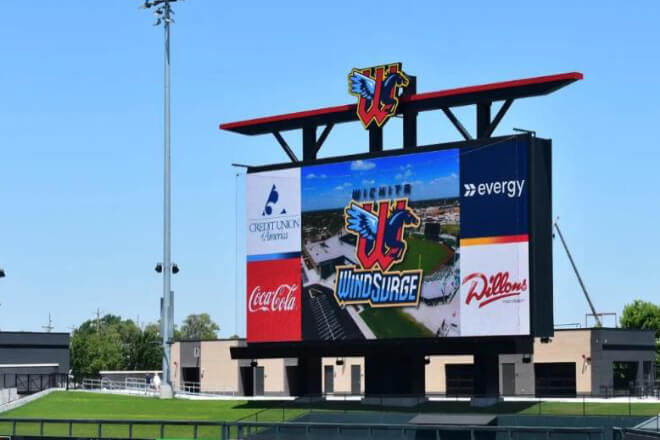
In modern sports stadiums, LED displays are no longer just for “hanging ads.” They allow for direct audience participation, providing opportunities for interaction between brands and fans.
Using the right approach, advertising is no longer a one-way transmission, but rather something memorable and even engaging.
- Interactive Advertising
For example, voting, quizzes, or mini-games can appear on the screen, allowing audiences to participate live.
Imagine a sports drink ad where viewers guess the match results, and immediately see the outcome and rewards.
This approach grabs attention more easily than simply playing an ad, leaving a lasting impression on the brand.
- Social Media Integration
LED screens can also display content from social media platforms in real time.
Viewers who post during the match, share photos, or use brand hashtags have the chance to appear directly on the large screen.
Seeing their content on the screen is incredibly cool for fans, while simultaneously boosting brand exposure and discussion.
- Personalized Advertising Push
Leveraging audience data, LED screens can also push customized content.
For example, VIP areas can display advertisements for high-end brands, while the stands can display advertisements for mass-market consumer brands.
The playback order can even be adjusted based on audience flow and interaction.
Everyone sees ads that better match their interests, resulting in better brand impact.
Simply put, LED screens transform advertising from a mere “display” into an engaging and interactive experience.
Audiences enjoy the viewing experience, and brands are more easily remembered—a true win-win situation.
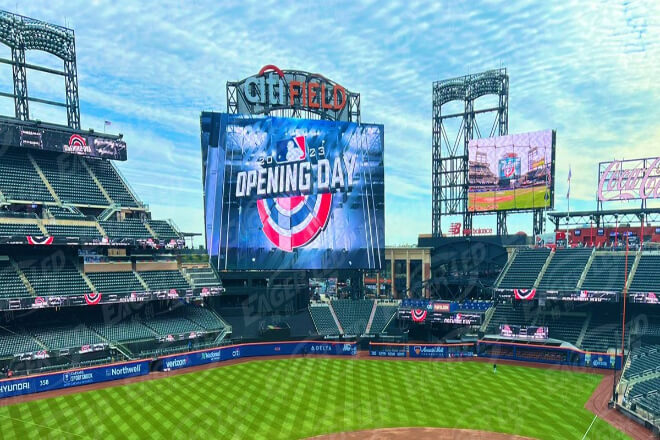
LED displays not only enhance the audience experience but also ensure sponsors and advertisers get the most value for their money.
Compared to traditional advertising methods, they offer significant advantages in exposure and effectiveness.
- Dynamic Advertising Space
LED displays can rotate multiple brand ads on the same screen, giving different sponsors exposure opportunities.
For example, perimeter screens at sporting events can switch ads every few minutes, allowing one screen to serve multiple brands simultaneously.
Improving advertising resource utilization and making the investment more worthwhile for sponsors.
- Precise Ad Targeting
Leveraging audience data analysis, LED screens can target advertisements to different areas, time periods, or audience groups.
For example, VIP areas can display advertisements for high-end brands, while the stands can display advertisements for mass-market consumer brands.
The order of ad playback can even be adjusted based on the progress of the game or audience heatmaps.
This precise targeting ensures ads reach the true target audience, improving conversion rates and making every investment more effective.
- Higher Exposure
Large-sized, high-definition, and high-brightness LED screens easily attract audience attention.
Whether at the stadium edges, around the stands, or at the stadium entrance, LED screens ensure that advertising information is seen by most viewers.
Compared to static posters or banners, their visual impact is stronger, significantly increasing brand exposure and memorability.
In summary, LED displays, through dynamic rotation, multi-brand coverage, precise targeting, and high exposure, help sponsors and advertisers achieve a higher return on investment.
Not only are ads seen more and more accurately, but every investment is maximized.
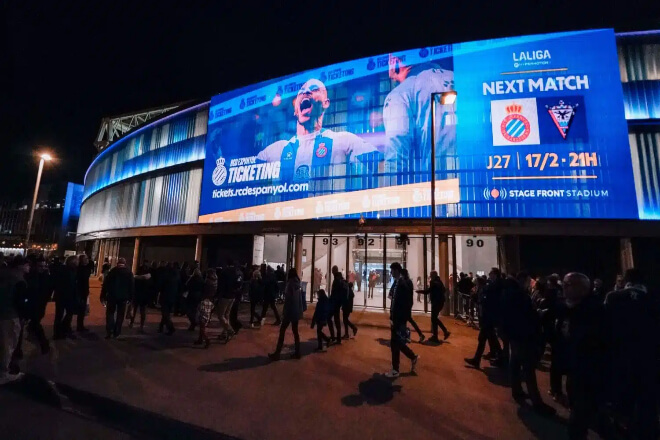
In sports stadiums, LED displays are more than just “showing advertisements.” They can flexibly switch content based on the game and audience needs.
Ensuring each message is displayed at the right time, enhancing advertising effectiveness and audience experience.
- Multi-screen display combined with a content management system
Modern sports stadiums typically have multiple LED screens, uniformly controlled through a content management system (CMS).
Whether it’s the screens on the perimeter fences, in the stands, or on the large screens in the rest areas, the system can simultaneously.
Or in sections display different advertisements and event information, achieving centralized management and flexible scheduling.
- On-demand adjustment of advertising content
Through the content management system, advertisers can adjust the content displayed in real time according to the stage of the game or audience needs.
For example, before the game starts, it can play event previews and sponsor brand advertisements; during halftime, it can play interactive activities or social media content.
And when key goals or exciting moments occur, it can immediately switch back to live replays.
In this way, advertisements and information are presented at the most appropriate time, making it easier for audiences to notice and remember.
- Improved targeting and timeliness of advertising
The real-time switching function ensures that advertisements are not only seen but also “hit the mark.”
By adjusting content based on audience distribution, interaction data, or specific demographic needs.
Advertisements are no longer static displays but precisely reach the target audience, improving advertising effectiveness and return on investment.
In summary, with the help of multi-screen and content management systems, LED displays can achieve real-time, flexible.
And precise switching between advertisements and content, making advertising more targeted, information more timely, and enhancing the audience’s viewing experience.
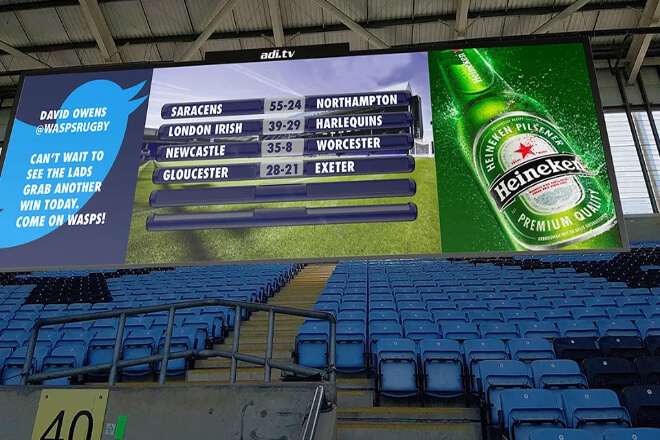
Many people’s first reaction to LED displays is “the price is high,” but in the long run, their cost-effectiveness and return on investment are actually very considerable.
- Initial Investment and Maintenance Cost Analysis
Indeed, the initial purchase and installation costs of LED displays are higher than traditional banners.
Or posters, and they also require a supporting control system and regular maintenance.
However, in actual use, its maintenance is not complicated—it only requires regular inspection and cleaning, and software updates and hardware maintenance are relatively simple.
Compared to traditional advertisements that are frequently replaced, the long-term costs are actually lower.
- Long-Term Benefits Compared to Traditional Advertising
Traditional advertisements require printing, hanging, and replacement, each replacement incurring additional costs.
LED displays can dynamically update content and flexibly rotate multi-brand advertisements, allowing for long-term use across multiple events with a single investment, and the advertising content can be adjusted at any time.
This not only saves on repeated investments but also significantly improves the utilization rate and reach of advertising.
- Long lifespan and low energy consumption lead to a high return on investment.
LED displays typically have a long lifespan and low energy consumption.
Even operating for extended periods daily, they are more energy-efficient than traditional electro-optical billboards or light boxes.
High brightness, high resolution, and large display size, combined with low energy consumption, significantly enhance the return on investment.
Brand advertisements can be seen by a wider audience, resulting in a more direct impact and increased returns for sponsors and advertisers.
In summary, while LED displays require a higher initial investment, their long lifespan, flexible content updates, low maintenance costs, and high energy efficiency make them a sustainable long-term advertising investment.
Compared to traditional advertising, its value lies not only in visual effects but also in long-term economic benefits and advertising returns.
 English
  Español
  简体中文
简体中文  Français
  日本語
日本語  한국어
한국어  العربية