
Introduction
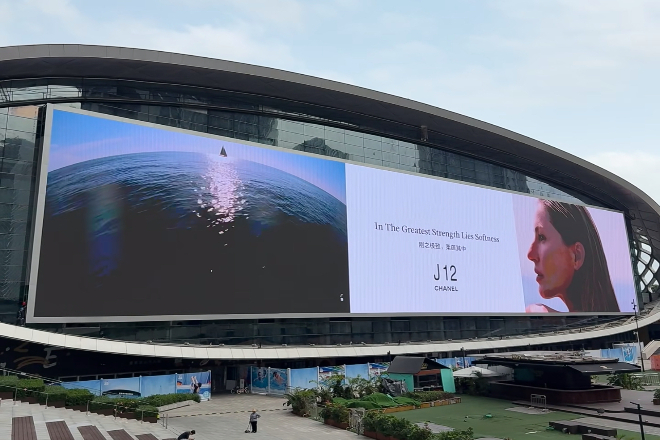
Previously, much information in commercial spaces relied on posters.
Changing posters for events, changing display stands for promotions, and updating content required remaking everything.
Now, more and more shopping malls, airports, hotels, and venues are replacing traditional display methods with digital screens.
Because in an era of increasingly short attention spans, operators need more than just displays; they need rapid engagement and continuous interaction.
Table of Contents
Reason 1: Digital screens improve the efficiency of spatial information delivery

Many spaces share a common problem: information changes rapidly, but display methods can’t keep up.
Today’s event posters may be outdated tomorrow, and newly posted notices may need to be replaced due to last-minute adjustments.
For scenarios like shopping malls, transportation hubs, and corporate lobbies, getting information to users faster has become a crucial aspect of operations.
The advantage of LED displays lies in their ability to simplify information updates. Compared to traditional posters, light boxes, and fixed signage, digital screens can quickly switch content based on actual conditions.
Previews are displayed before events, on-site information is updated during events, and new content is immediately replaced after the event—the entire process eliminates the need to recreate materials.
For example, commercial complexes can change their themed displays for different holidays to promote the latest events and brand collaborations;
Airports and train stations can update flight, train, and route information in real time; and corporate lobbies can display company news, visitor welcome messages, or important notices.
For operations teams, this flexibility also means greater efficiency. Previously, it might have required staff to change posters in each area.
But now, through a backend system, multiple screens can be remotely managed, making information dissemination more consistent.
Of course, the changes brought by digital screens are not just about “simpler work.” More timely information display also improves the user experience.
Customers can find event information faster, passengers can stay informed about travel changes, and visitors can gain a more intuitive understanding of businesses.
From a fixed poster to a dynamic digital window, LED displays are helping spaces overcome the limitations of slow information updates, making communication more timely and interactive.
Reason 2: Digital screens can attract foot traffic and increase dwell time

Many cities have some “somewhat regrettable” spaces.
For example, once bustling old shopping malls, vacant warehouses, and old industrial plants.
Their architectural structures may still be good, but due to aging environments and monotonous experiences, they have gradually lost their appeal.
Complete demolition and reconstruction are not only costly but also time-consuming.
Therefore, more and more space renovation projects are seeking a more flexible approach—revitalizing spaces through digital content without altering them.
LED displays are a key tool in this regard.
Their biggest advantage is their ability to quickly change the atmosphere of a space without altering the building itself.
A large LED wall can transform an ordinary wall into a brand showcase, an art gallery, or even a visual focal point attracting tourists for photos.
For example, an old warehouse converted into a commercial district can use LED screens to display city stories, art videos, or event information, adding a more youthful feel to the otherwise industrial space.
When upgrading old shopping malls, digital content can be used to create themed holiday scenes, reigniting consumer interest.
LED displays are also more flexible for spaces that require frequent theme adjustments.
Today it can display exhibition content, on weekends it can switch to event promotions, and next month it can be updated to match the new commercial theme.
One set of equipment can support operational needs at different stages.
Some old building renovation projects even preserve the original brick walls and steel structures, then add LED screens, lighting, and interactive designs.
Creating a contrast between the “old architecture” and “new technology,” which becomes the space’s most distinctive feature.
Upgrading old spaces doesn’t necessarily mean large-scale demolition and construction.
Sometimes, a dynamic LED display can bring a long-dormant space back into the spotlight and create new commercial value.
Reason 3: Digital Screens Can Generate More Commercial Revenue

For many commercial spaces, one of the most pressing concerns after renovation is: the space looks better, but can it generate more revenue?
The value of LED displays goes beyond just enhancing visual appeal; they can also become a “new revenue stream” for commercial spaces.
Traditional wall displays and lightbox advertising spaces typically only display fixed content, while LED displays can flexibly switch according to time, events, and brand needs, giving the same location more commercial possibilities.
For example, large LED screens at shopping mall entrances can be used to display the mall’s own events or rented to resident brands for new product promotions, holiday marketing, or brand advertising.
For brands, a high-traffic digital screen is more likely to attract consumer attention than a regular poster.
Some commercial districts and office building lobbies are even transforming LED screens into digital advertising media resources.
During the day, they display information about resident businesses; at lunchtime, they play restaurant promotions;
And in the evening, they switch to brand advertisements, ensuring the screen continuously generates value throughout the day.
For example, a shopping mall installed a high-brightness LED exterior screen, which not only enhanced the building’s nighttime image.
But also attracted advertising from car brands, luxury brands, and consumer electronics brands.
What was originally just part of the building is gradually becoming a commercial asset that can generate revenue.
Meanwhile, dynamic content also enhances the attractiveness of brand collaborations.
Compared to traditional advertising spaces, LED screens can play videos, animations, and interactive content, providing advertisers with richer display methods.
For commercial space operators, LED displays are not simply a decorative upgrade but a continuously operating “digital asset.”
They can both enhance the attractiveness of the space and help the project generate new revenue streams.
Reason 4: Digital screens allow operators to flexibly manage content
Commercial spaces have one characteristic: rapid change.
Today might be a new product launch, tomorrow a holiday promotion, and the weekend a brand pop-up.
Relying on traditional posters and light boxes to update content each time is not only inefficient but also makes it difficult to keep up with operational pace.
The biggest advantage of LED displays is that they allow for “instantaneous” content updates.
For example, the large screens at the entrance of a shopping mall can display brand advertisements and mall events on weekdays; during holidays, they can quickly switch to festive themes;
And when hosting celebrity meet-and-greets, exhibitions, or promotional events, they can update on-site information immediately, keeping the screens synchronized with the commercial activities.
For large commercial projects, content management is also much simpler. For example, a shopping mall with multiple floors can manage the LED screens in different areas through a unified backend.
Entrance screens attract customers, atrium screens display brand events, and food and beverage areas promote special offers.
Different locations display different content, allowing each screen to fulfill its purpose.
Remote management also reduces repetitive work for operations staff. In the past, changing a poster might have involved printing, shipping, and installation;
Now, updates can be completed simply by adjusting the playback content in the backend.
For example, when chain stores launch new product promotions simultaneously in different cities, headquarters can uniformly release brand promotional content and adjust some visuals based on local market conditions to ensure each store remains up-to-date.
For operators, LED displays truly change more than just the display method; they empower commercial spaces with the ability to “respond quickly.”
A space that updates and changes is more likely to continuously attract consumer attention.
Reason 5: Digital screens enhance the overall experience value of a space
Previously, when people entered a commercial space, they might have focused more on “what’s here.”
But now, what often determines whether users are willing to stay is “what feeling this place evokes.”
Why do some shopping malls, hotels, or venues consistently become popular photo spots? Besides the architectural design itself, a dynamic digital space is often more likely to attract attention.
The addition of LED displays transforms a space from a static backdrop.
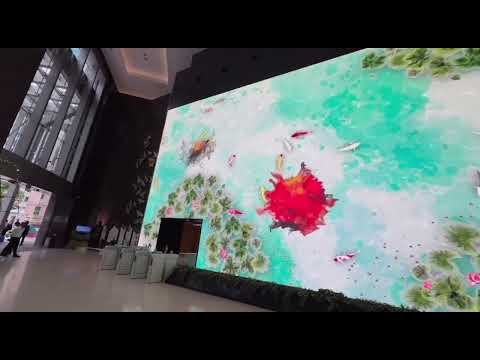
For example, a large LED screen in a shopping mall atrium can display brand content on ordinary days, transform into a giant digital art wall during holidays, playing holiday-themed visuals;
And when hosting new product launches or commercial events, it can quickly switch to an event venue, making the entire space “move” with the event.
Hotels operate similarly. LED screens in the lobby can showcase city views, hotel specialties, and even adjust visual themes according to different seasons.
When guests check in, they see more than just an ordinary lobby; they experience a more sophisticated spatial experience.
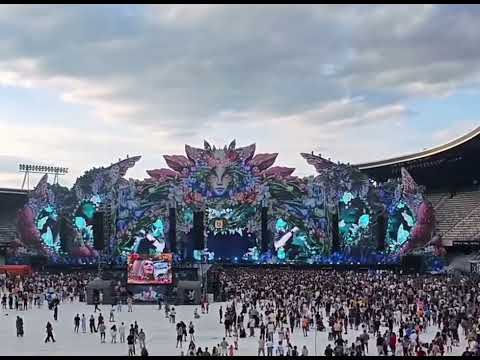
In sports stadiums and performance venues, the role of LED displays is even more pronounced.
A game or performance with only a stage and seating might lack atmosphere; adding large LED screens allows for real-time display of highlights, interactive content, and visual effects, making the experience more immersive.
More importantly, the value of digital screens goes beyond just being visually appealing.
A technologically advanced and interactive space influences a user’s first impression of a brand.
For high-end commercial projects, hotels, and cultural venues, this experience itself is part of the brand value.
A good LED display doesn’t just make a space brighter and prettier; it imbues the space with its own “emotion.”
It can constantly evolve with time, events, and user needs, transforming a place from a “space to pass by” into a “place worth lingering for.”
6. Conclusion
A digital screen may seem like just a display device.
But for operators, it can be an information window, an advertising space, and a crucial tool for enhancing user experience.
As physical spaces strive for greater efficiency and value, the importance of digital screens is becoming increasingly apparent.
Finally, for more information about LED displays, please get in touch with us.


 English
  Español
  简体中文
简体中文  Français
  日本語
日本語  한국어
한국어  العربية