
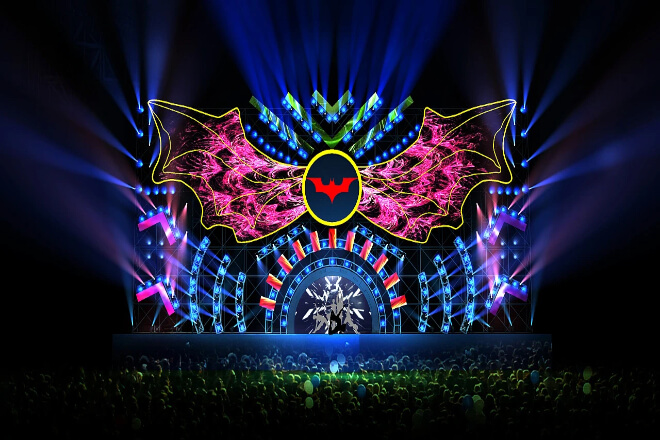
Which type of LED display screen is best suited for stage and event use?

Introduction

Have you ever encountered this scenario: you bought a high-specification LED display screen.

But upon arrival at the venue, the brightness was insufficient, the image was blurry, or even the installation and disassembly were so slow that rehearsals couldn’t be made?

In fact, choosing a screen for stage and event use isn’t simply a matter of looking at specifications.

Different event types, stage design, and venue environments all affect screen performance.

So, how can you choose an LED display screen that is both reliable and hassle-free?
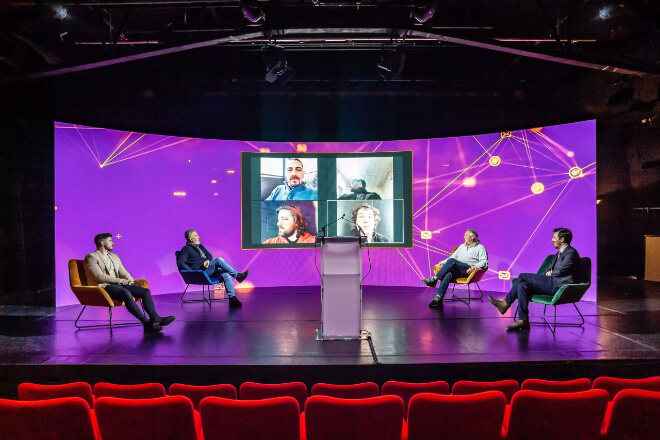
Table of Contents

1. Why are the requirements for LED displays particularly "demanding" for stages and events?

LED displays for stages and events are fundamentally different from regular commercial displays.

Commercial screens are typically used for fixed installations, such as shopping mall advertising or conference room presentations.

The viewing distance is fixed, the usage frequency is controllable, and the environment is relatively stable.

However, the situation at stages and events is completely different: the screen not only has to cope with different viewing angles and distances.

But also with frequent disassembly and assembly, temporary scenery setups, lighting interference, and changes in the outdoor environment.

In actual projects, several “failure points” often arise at event venues. For example, insufficient screen brightness makes the image unclear under strong light; slow installation and disassembly disrupt rehearsals and performance schedules.

Or, unstable screen operation, with flickering and dead pixels, affects the overall effect. These problems not only cause headaches for staff but also directly impact the audience experience and brand image.

The high requirements of stages and events for LED displays directly affect the performance effect and event experience.

A screen with insufficient brightness, unstable image, or cumbersome installation can significantly detract from the overall stage effect and even damage the company’s professional image in the eyes of clients.

This leads to a core issue: not all LED displays are suitable for stage and event scenarios.

Choosing a stage screen requires considering factors such as brightness, refresh rate, ease of installation, and stability to ensure a smooth presentation for every event and to maintain an unaffected audience experience and brand image.
2. Core Conditions that Stage and Event Scenarios Must Meet

In stage and event scenarios, the selection of LED displays cannot rely solely on parameter tables; several “must-haves” must be identified, as they directly determine the performance effect and operating costs.

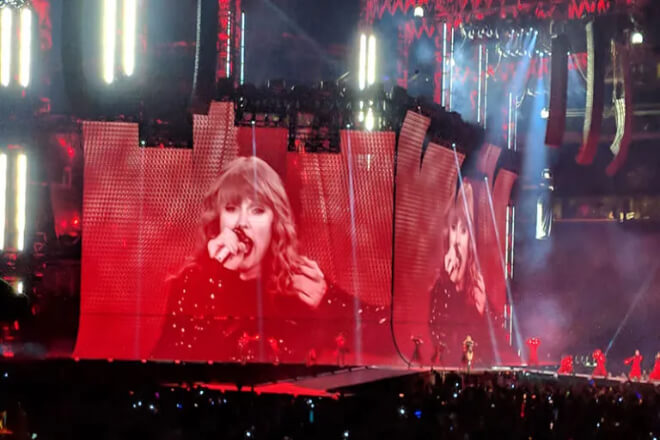
First and foremost are high brightness and a high refresh rate. Stage environments are typically characterized by complex lighting, including spotlights, background lights, and even direct sunlight, and audiences may be distributed at varying distances.

If the screen brightness is insufficient, distant viewers will not be able to see a clear image; a low refresh rate can also cause ghosting or flickering.

For example, at an outdoor music festival, if the screen brightness is insufficient, even with a beautifully designed stage, distant viewers will only see a blurry image, significantly diminishing both the brand image and the performance experience.

Secondly, lightweight design and rapid installation are crucial. Event schedules are tight, and processes are intensive.

A heavy screen or one with complex installation and disassembly will not only slow down rehearsals and the performance but also increase labor costs.

For large-scale stage events, setup and testing often need to be completed within hours.

Using lightweight modules and rapid assembly designs allows construction teams to complete tasks efficiently while reducing errors and safety risks.

Stability and safety are also non-negotiable core conditions. Stage events typically run continuously for several hours.

If the screen flickers, goes black, or loses focus midway, it not only affects the performance experience but may also pose safety hazards.

For example, at corporate annual meetings or award ceremonies, screen malfunctions can directly impact the live stream or stage lighting, damaging the brand image.

Furthermore, flexible splicing and creative design capabilities are indispensable for stage screens.

Stage design often seeks irregularly shaped screens, curved screens, or multi-screen combinations, which standard rectangular screens struggle to achieve.

Customized screens can be freely spliced according to stage layout and design requirements, fulfilling the creative ideas of directors or designers and making the stage effects more impactful and distinctive.

Finally, transportation and reuse costs are also crucial factors. Stage screens typically require multiple moves, disassemblies, and reuses. If the modules are not durable or maintenance is complex, long-term costs can be high.

Adopting a durable, modular, and easy-to-maintain design not only reduces transportation and maintenance costs but also improves the return on investment (ROI) of long-term event projects.
3. Analysis of Mainstream Stage and Event LED Display Types

1) Rental LED Displays

When it comes to event screens, most people choose rental screens—accounting for over 90%. Their popularity stems from their quick installation, durability, and ease of maintenance.

Modular design allows screens to be set up and disassembled quickly within hours, making them ideal for touring or multi-event performances.

Furthermore, modules can be quickly replaced in case of damage, preventing on-site chaos.

For example, for a large concert or corporate annual meeting, using rented screens allows the stage setup team to quickly complete screen assembly before rehearsals, ensuring the performance proceeds as planned without excessive labor and time costs.

2) Small-pitch LED Display Screens

The advantage of small-pitch screens lies in their fine image quality and rich detail, making them particularly suitable for conferences, high-end product launches, or indoor performances.

For example, at product launches, small-pitch screens can clearly display text, charts, and high-definition videos, ensuring clear visibility for every audience member.

However, small-pitch screens are more expensive, and installation requires more specific environmental and support conditions, so they are more commonly used in fixed venues or high-value events.

Simply put, if the audience experience and image quality are crucial for the event, a small-pitch screen is worth the investment; for a regular stage, it might be overkill.

3) Irregularly Shaped/Creative LED Displays

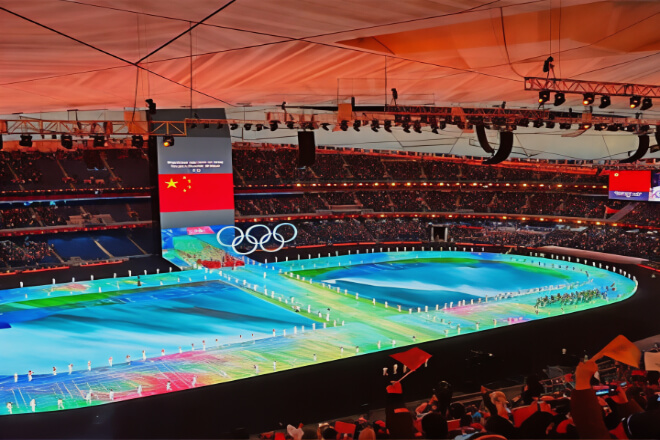
Irregularly shaped or creative screens can be made into special shapes such as curved surfaces, cylinders, and wave screens, instantly changing the stage effect and making them more memorable for the audience.

However, they have high requirements for structure, safety, and technology, with long design cycles and high installation costs.

They are suitable for high-end performances or flagship brand events, with the aim of creating a highlight on stage and generating buzz.

For example, a brand new product launch using a wraparound curved screen and a cylindrical screen instantly gives the stage a technological and futuristic feel, leaving a lasting impression on the audience.

In this case, investing in creative screens is worthwhile; however, for ordinary annual meetings or short-term events, it is not necessary to force an investment in high-cost creative screens.

4. How to Choose LED Displays for Different Event Types?

1) Concerts/Large-Scale Cultural Performances

These events have large stages, distant audiences, and complex lighting, requiring very high screen brightness and refresh rates.

Rental-type large screens are recommended; their modular design allows for quick setup and disassembly, ensuring screen stability and reliability during the performance.

If the stage design requires a special shape, irregularly shaped screens can also be used to increase visual impact.

For example, at an outdoor concert, a high-brightness, high-refresh-rate screen ensures that even the most distant audience members can clearly see stage details.

Key considerations: High brightness, high refresh rate, quick installation, and stability.

2) Corporate Launches/Brand Events

Launches and brand events prioritize detailed display. Small-pitch LED displays are the best choice, ensuring that every audience member can clearly see text, charts, and high-definition videos.

If the budget allows, combining them with small, irregularly shaped screens as stage backdrops can further enhance brand recognition.

For example, at product launches, a finely detailed small-pitch screen perfectly showcases product details, providing a superior audience experience.

Key considerations: Small pitch, high grayscale, high refresh rate, and ease of adjustment.

3) Exhibitions/Roadshows

Exhibitions and roadshows typically require frequent relocation and rapid setup. Lightweight rental screens are suitable for these scenarios; modular designs facilitate transportation and reuse.

When space is limited, curved or irregularly shaped screens can be used for creative displays to attract audience attention.

For example, in a traveling exhibition, a curved, creative screen is more likely to capture the visitor’s attention than a regular, straight screen.

Key considerations: Lightweight, modular, durable, and easy to reinstall.

4) Weddings/Commercial Celebrations

LED screens for weddings and celebrations are mainly used for stage backdrops and atmosphere creation.

The image quality needs to be delicate, but it doesn’t need to be as bright as an outdoor concert.

Small-pitch screens or rental screens are both options, allowing for flexible placement based on venue size.

Small, irregularly shaped screens are a good embellishment for adding memorable moments to the stage.

For example, a wedding backdrop displaying dynamic images can make the atmosphere more romantic and vibrant.

Key considerations: Delicate image quality, quick installation, and easy integration with stage design.

5. Several Key Issues Easily Overlooked

When choosing LED displays for stages and events, many people easily fall into the trap of “choosing a screen based on parameters”: the numbers look impressive, but the actual effect in use can be completely different.

To avoid this pitfall, there are several key issues to pay attention to.

While screen brightness, refresh rate, and resolution may seem high, in reality, they can be affected by strong stage lighting, viewing distance, or distance.

For example, a screen advertised as high brightness might still be blurry under direct sunlight, rendering its high specifications useless.

Therefore, screen selection should consider the actual usage environment, not just the specifications on paper.

Stage screens need to be quickly assembled, disassembled, and reused multiple times. An immature structural design, difficult installation, or insufficient safety can lead to construction delays or safety issues on-site.

For instance, in a large event, if the screen is too heavy or the installation support is unstable, even a clear image could slow down rehearsals or create safety hazards.

Stage events demand extremely high screen stability, and problems must be resolved quickly. Without a reliable after-sales team and technical support, performance downtime or rework may occur.

When selecting a supplier, confirm their ability to provide timely technical support and maintenance services to ensure the smooth running of the event.

Finally, be sure to check if the supplier has actual case studies of similar stage or event projects.

Case studies not only verify the product’s stability and installation efficiency but also help you reference screen configurations for different scenarios, avoiding blind selection.

For example, the modular effect of rental screens, the installation details of irregularly shaped screens, etc., are all more reliable than promotional materials.

6. Conclusion

In general, when choosing LED displays for stages and events, don’t just look at brightness, resolution, or price; consider the type of event, the venue environment, installation efficiency, and long-term operating costs.

Rental screens are quick to install and durable, small-pitch screens offer exquisite image quality, and irregularly shaped creative screens create outstanding stage effects—choosing the right screen ensures a smooth performance, a good audience experience, and naturally enhances your brand image.

Finally, if you would like to learn more about LED displays, please get in touch with us.

Leave a Reply

Your email address will not be published. Required fields are marked *

Let's Start Our Story NOW!

Get 2025 New Price for LED Screen NOW