
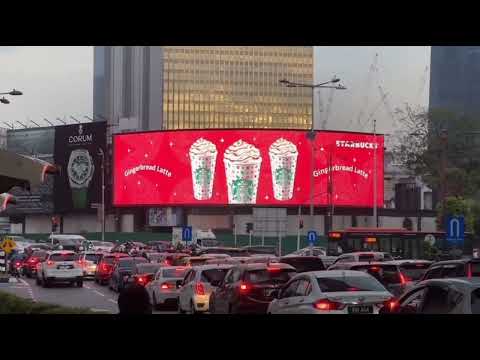
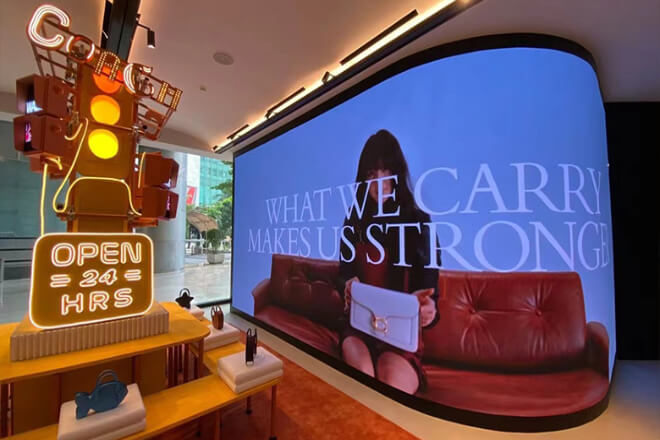
A classic logic in brand communication is: the first time is “seeing,” the third time is “noticing,” and only the tenth time might you “remember.”
The biggest advantage of LED displays is helping brands constantly “reproduce” their image until the audience remembers it.
First, by continuously displaying brand content in fixed scenarios, the brand becomes a “familiar face.”
For example, in high-traffic areas like shopping mall entrances, office building lobbies, and stadium entrances, LED screens display brand information daily.
For instance, the first time you pass by, you might just glance at it; the third time, you might think, “It’s that again”; and by the tenth time, the brand name has silently entered your mind.
Second, by repeatedly exposing the brand, user familiarity is increased, making the brand easier to trust.
In psychology, there’s a “repeated exposure effect”—people are naturally more receptive to things they see frequently.
Like always, going to that bubble tea shop downstairs—it might not be the best, but because you’re so familiar with it, you subconsciously go in. The same applies to brands; the more often they appear, the more trust they gain.
Simultaneously, it helps brands move from being “seen” to being “remembered.” Many advertisements aren’t unseen, but rather “forgotten after seeing.”
LED screens, with their fixed location and high playback frequency, can continuously reinforce brand visual symbols.
For example, logos, colors, and slogans gradually form memory links for users. For instance, seeing a certain shade of blue might immediately evoke a particular brand—this is the process of memory building.
Finally, it establishes a long-term brand impression, making the brand the “default option.”
When users have a future purchasing need, the first brand that pops into their minds is often not the “best brand,” but the “most familiar brand.”
The high-frequency exposure of LED displays helps brands “secure their place” in advance.
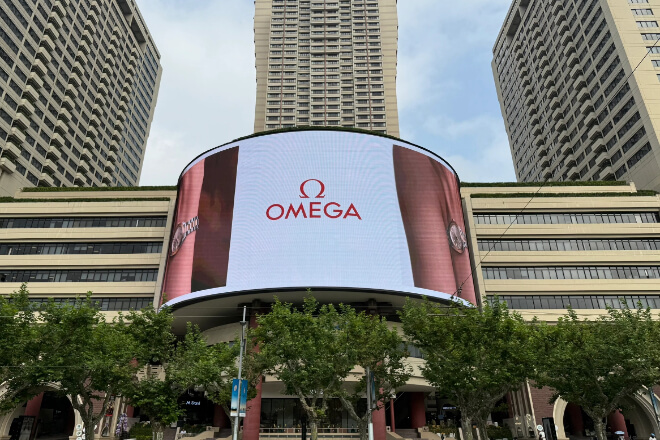
What’s the biggest fear in brand communication? It’s “no one watching,” but “looking at it and then swiping away.”
The advantage of dynamic content on LED displays lies in transforming brands from “passing-by exposure” to “being watched for a couple more seconds”—don’t underestimate those two seconds; they often represent the dividing line of attention.
First, video content is more likely to attract attention, allowing brands to “grab attention” first. Compared to static posters, dynamic videos are naturally more likely to make people stop.
For example, a static coffee advertisement might just be “Oh, it’s coffee”, but if an LED screen shows steaming coffee being slowly poured into a cup.
Many people will subconsciously take a second look—and even think, “Suddenly, I want some.”
Second, content can be updated regularly, preventing viewers from getting bored. If a screen plays the same advertisement 365 days a year, not only the audience but even the screen itself might get bored.
However, LED displays can update content weekly or monthly, such as changing the visuals for new product launches and themes for promotional activities, ensuring brands always have “fresh topics to discuss.”
Furthermore, adjusting content based on holidays and events allows brands to better “understand the atmosphere.”
For example, switching to a New Year theme for Chinese New Year, incorporating event elements during the World Cup, and switching to romantic visuals for Valentine’s Day.
This makes viewers feel that the brand isn’t just “advertising,” but rather “celebrating the holiday with everyone.”
Finally, maintaining brand freshness keeps users engaged and wanting to follow back. Just as you anticipate what your favorite blogger has updated today.
Dynamic LED content can create this sense of anticipation—”What new content is playing on this screen today?” When a brand can generate this curiosity, engagement naturally extends.
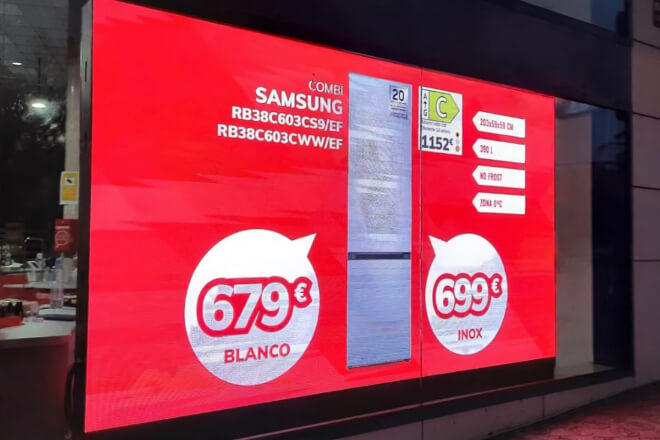
What is the ideal state of brand communication? It’s not “users just happen to see you,” but rather “users encounter you wherever they go”.
The multi-scenario deployment capabilities of LED displays perfectly help brands achieve this “24/7 online” presence.
Firstly, through multi-point deployment in shopping malls, streets, venues, etc., the brand becomes “ubiquitous.”
For example, seeing a brand advertisement at the elevator entrance of an office building in the morning.
Encountering it again on a large screen in a shopping mall at noon, and seeing the same brand again while watching a game at a stadium in the evening.
Users might think, “Why am I seeing you everywhere today?”—That’s exactly right.
Secondly, reaching different demographics at different times allows for “segmented operation.”
For example, during the morning rush hour, subways and office buildings reach commuters; in the afternoon, shopping malls and retail spaces reach consumers.
In the evening, sports venues and commercial streets reach entertainment-oriented individuals.
Simply put, brands don’t appear at “one point in time,” but rather “work throughout the day.”
Simultaneously, it broadens brand reach, bringing more potential users into the spotlight. For instance, a single community advertising screen might only reach nearby residents.
However, when a brand simultaneously deploys on outdoor street screens, shopping mall screens, and transportation hub screens.
The reach expands from “one circle” to “multiple circles,” resulting in a significantly wider coverage.
Finally, it achieves “24/7 online” communication, making the brand like a 24-hour convenience store.
Brands no longer rely on a single event or advertisement, but rather continuously communicate through different scenarios.
Even if users aren’t consciously paying attention, they will be “gently reminded” several times a day.
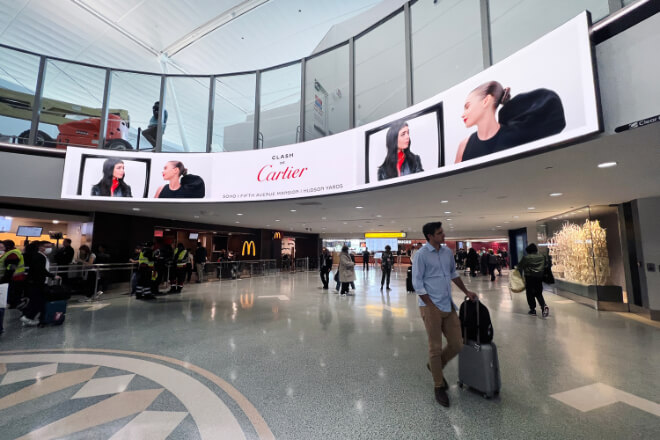
The old advertising logic was: “I broadcast, you watch.” The current brand logic is: “I find ways to get you involved.”
LED displays perfectly upgrade brand communication from “one-way output” to “interactive experience.”
First, interactive content enhances user engagement, turning passersby into active viewers.
For example, LED screens in shopping malls can offer QR code raffles, on-site voting, or mini-game challenges. Users who were initially just passing by might stop to “give it a try.”
For instance, a queue forming in front of a screen indicates it’s no longer just an advertising screen, but an “interactive zone.”
Second, combining with social media expands reach, extending offline interaction online. For example, brands can set up “take a photo and check in on the big screen” activities.
Users who take photos not only see them on the on-site screen but also share them on social media or short video platforms.
The screen attracts attention, while social media amplifies the message—one interaction can generate dozens of secondary disseminations.
Simultaneously, the shift from one-way display to two-way communication makes the brand more “human.” Previously, brands simply “told you who they are”; now, LED screens can respond to users in real time.
For example, interactive features like bullet comments, message boards, and instant display of live voting results. Brands are no longer “speaking from a stage,” but “coming down to chat with users.”
Ultimately, this enhances brand loyalty, bringing users and brands closer together. When users participate in an interaction, check in, or see their photo on the screen, their brand memory deepens significantly.
Simply put, brands are not just “seen,” but “experienced.”
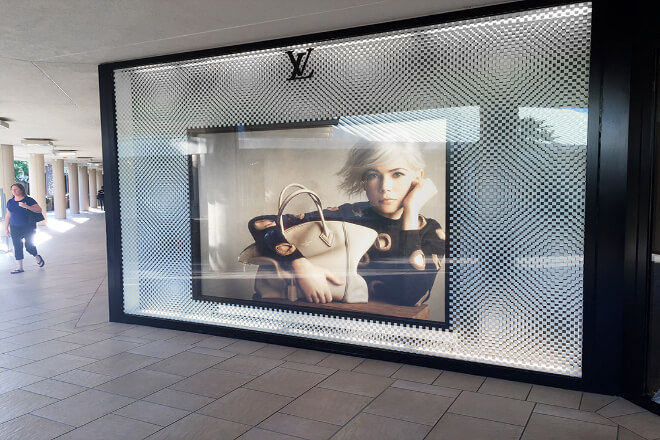
Many brands worry about advertising because they spend money, create a buzz, and then forget about it.
The value of LED displays goes beyond “short-term exposure”; more importantly, it helps brands gradually accumulate long-term marketing assets from each appearance.
First, continuous exposure builds brand equity, making the brand “more familiar the more you see it.” For example, if a brand consistently appears in fixed locations like shopping malls, streets.
And venues, users might only “see” it the first time, but by the tenth time, they’ll think, “Oh, it’s that brand again.”
This long-term “face-to-face exposure” is essentially building a “memory bank account” for the brand.
Secondly, it reduces long-term customer acquisition costs, allowing brands to avoid “reintroducing themselves” every time. For example, a brand never been heard of needs a significant budget to become known.
However, a brand frequently seen in everyday life is naturally more familiar to users, resulting in much lower communication costs for future promotions or new product launches—after all, “familiarity makes things easier.”
Simultaneously, it enhances brand trust and awareness, making the brand easier to choose. Psychologically, people tend to choose brands they’ve seen many times.
Just like two bottles of water with similar prices in a supermarket, many people subconsciously choose the one “often seen in advertisements.” Why? Because “familiarity” itself is a form of trust.
Finally, it helps brands move from short-term spending to long-term value, turning advertising into an asset.
Short-term advertising focuses on “how much will be sold this time”; long-term brand building focuses on “how long can it continue to sell in the future.”
LED displays, through continuous exposure, transform each investment into brand asset accumulation—today it’s exposure, tomorrow it’s awareness, and the day after tomorrow it might be orders.


 English
  Español
  简体中文
简体中文  Français
  日本語
日本語  한국어
한국어  العربية