
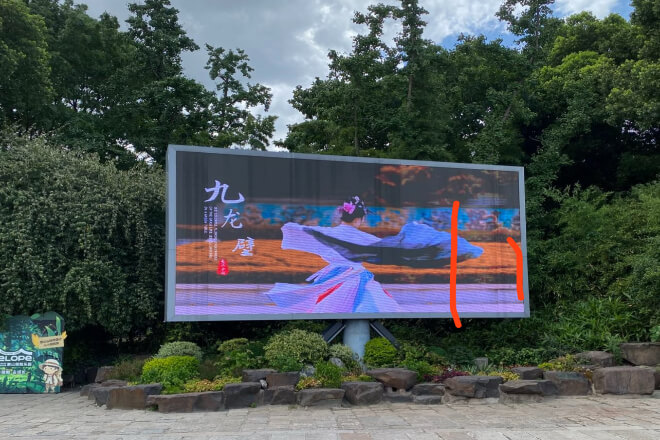
In visitor centers, you’ll find LED displays very practical, especially for information display and navigation.
For example, the screens can display real-time opening hours, ticket information, daily visitor numbers, and even weather warnings.
As soon as tourists enter the center, they can immediately know which attractions are popular, where the crowds are, and which routes are smoother, preventing long queues or missed attractions due to insufficient information.
For scenic area management, this is also a great help, allowing for the logical flow of people and a smoother overall visit.
Beyond basic information, LED screens can also provide navigation functions. Interactive maps can be displayed on the screens, allowing visitors to clearly see their current location and how to reach various attractions, restaurants, or restrooms.
Combined with text, images, and even short videos introducing the features of attractions, visitors can learn about the highlights while waiting or moving around, making the experience richer and more relaxed.
Modern LED screens typically also support interactivity and multilingual functionality. Visitors can use touchscreens or scan QR codes to check routes, attraction information, or the day’s activities.
Multilingual switching allows both domestic and international visitors to easily access information, eliminating worries about not understanding or missing important information.
This is especially important for international scenic spots, making the visitor experience more user-friendly and comfortable.
In summary, LED displays not only allow visitors to stay informed about the scenic area but also make visitor centers appear smarter and more organized.
A well-designed and content-rich LED screen acts like the “information brain” of the scenic area, helping visitors avoid detours and maximize their enjoyment of the attractions from the moment they step through the gates.
Whether it’s route guidance, attraction introductions, or real-time information dissemination, LED displays provide a smoother visitor experience and offer a powerful tool for scenic area management.
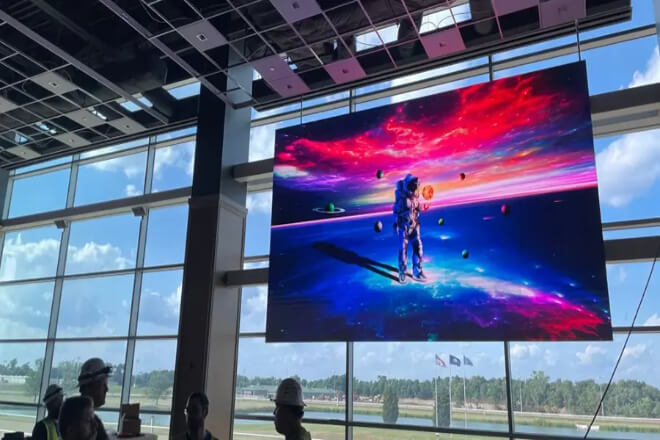
Beyond information dissemination and guidance, LED displays in visitor centers have another very direct function—making the visitor experience better and more engaging.
For example, large screens can play promotional videos or cultural stories about the scenic area, allowing visitors to quickly understand its features upon entering the center and get into the swing of things, immediately stimulating their interest.
Furthermore, LED displays can be used to dynamically showcase historical artifacts, scenic highlights, or special events.
Compared to traditional static display boards, these dynamic images are more eye-catching and make the stories of the attractions more vivid and memorable.
Visitors can directly experience the cultural heritage and historical value of the scenic area in front of the screen, increasing their anticipation before the visit.
Even more interestingly, many visitor centers now combine LED displays with interactive experience areas.
Visitors can select the content they want to see via touchscreens or participate in mini-games and virtual experiences on the LED walls.
This not only makes it more fun but also encourages visitors to actively learn about the scenic area, enhancing immersion and participation, making the entire visit more vivid, interesting, and memorable.
In summary, LED displays are not only information display tools, but also powerful instruments for scenic areas to tell stories, create atmosphere, and enhance interactive experiences.
When used effectively, visitors can experience both fun and professionalism from the very beginning, setting a good precedent for their visit and leaving a lasting impression.
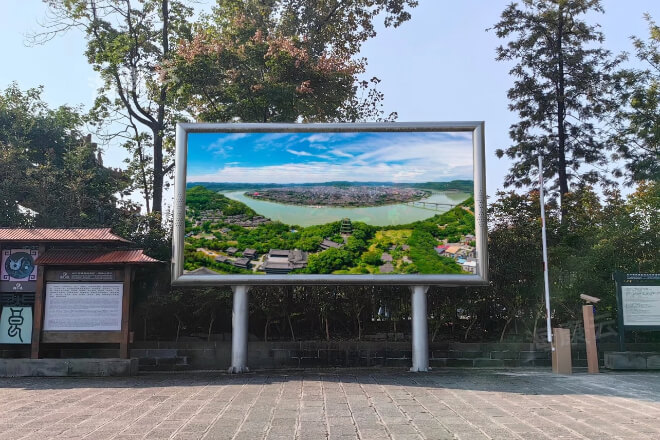
Besides guiding visitors and enhancing the experience, LED displays play another crucial role in visitor centers—real-time notification and safety management.
Unexpected situations often arise in scenic areas, such as road closures, temporary construction, sudden weather changes, or other emergencies.
Through LED screens, scenic area management can immediately communicate information to visitors, ensuring they are informed promptly and minimizing panic and inconvenience.
Beyond emergency notifications, the screens can also be used to publish safety tips and promote civilized tourism.
For example, reminding visitors to be careful on steps, not to litter, and to maintain order in queues.
These reminders, displayed on large screens, are clearly visible, more intuitive than traditional signs, and easier for visitors to notice.
During peak periods, LED displays can also guide visitor flow and provide evacuation guidance.
The screens can display real-time visitor flow at various attractions, informing tourists which areas are crowded and recommending alternative routes.
In emergencies, they can quickly indicate evacuation routes and assembly points, allowing tourists to evacuate safely and orderly.
In summary, LED displays are not only a tool for disseminating information within scenic areas but also the “eyes” and “megaphones” for safety management and visitor guidance.
Using them appropriately can ensure tourists’ peace of mind while helping scenic areas efficiently respond to emergencies, improving management levels and service quality.

Besides providing guidance, enhancing the experience, and managing safety, LED displays in visitor centers have another very practical function—helping scenic areas with marketing and realizing commercial value.
Through the large screens, scenic areas can promote various activities in real time, such as festival events, special exhibitions, or ticket discounts.
Allowing tourists to see the latest information immediately and more easily stimulate their interest in visiting or encouraging repeat purchases.
LED screens can also collaborate with brands to place advertisements and achieve joint marketing. For example, playing promotional activities, interactive games.
Or promotional content from partner brands can not only bring exposure to the brands but also generate actual revenue for the scenic area.
Compared to traditional advertising methods, LED screens offer advantages such as rapid updates, diverse display formats, strong visual impact, and more intuitive effects.
Modern LED systems can also be integrated with data-driven management, helping scenic areas analyze the effectiveness of advertising and activities.
By collecting visitor viewing and interaction data, scenic areas can more accurately adjust content and placement strategies, making advertising more aligned with visitor needs while also improving business returns.
In short, LED displays are not just information and navigation tools; they can also be a valuable tool for scenic area marketing and business operations.
Used effectively, they can inform visitors about events immediately and generate additional revenue for the scenic area, simultaneously enhancing both visitor experience and the scenic area’s value.
 English
  Español
  简体中文
简体中文  Français
  日本語
日本語  한국어
한국어  العربية