
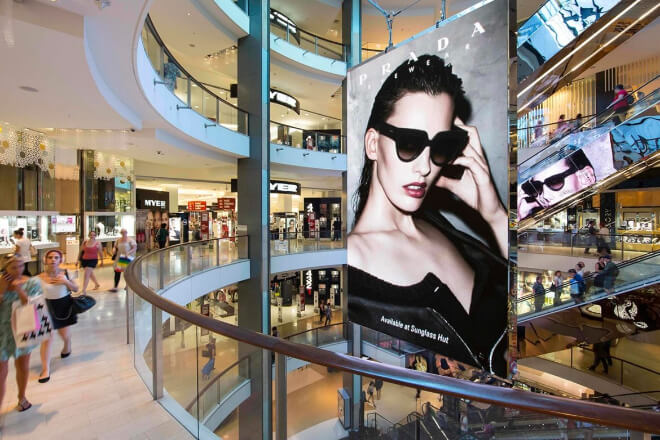
In today’s shopping malls, window displays and billboards alone are no longer enough to attract customers. This is where LED displays come in handy.
High brightness and high-definition images make the content on the screen exceptionally vivid, easily capturing the attention of passersby, whether in bright daylight or in complex indoor lighting.
Placement is also crucial. Store entrances, corridor intersections, or prominent public areas of the mall are all popular “stopping points” for LED screens.
As soon as people enter the mall, they are drawn to the dynamic content on the screens, unconsciously stopping to look.
This enhances the modern feel of the shopping mall and makes brand exposure more natural.
Content is key. Playing short advertisements, brand promotional videos, or holiday-themed event information is more engaging than static posters.
For example, during Christmas, LED screens scrolling through limited-time offers, festive decorations.
And warm greetings easily catch customers’ attention and increase interaction and engagement.
In short, LED displays not only convey information but also create atmosphere in shopping malls, making customers want to stop and look.
High-brightness images, dynamic content, and clever layouts combine to make the shopping experience more interesting and brand-rememberable.
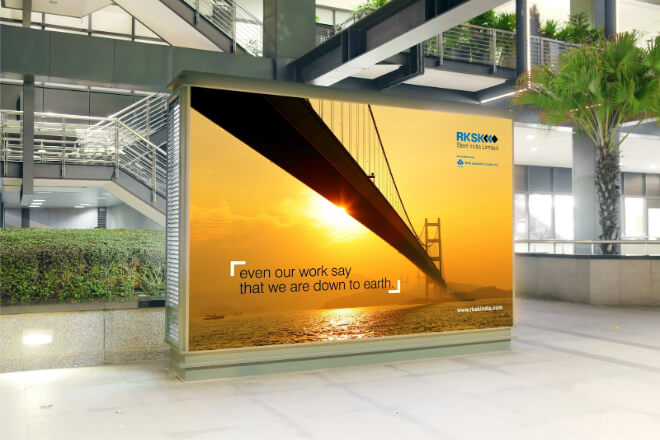
Today’s LED displays are not only eye-catching but also smarter. Shopping malls can use screens to display personalized advertisements and product recommendations.
Ensuring customers see content more closely aligned with their interests and needs, rather than generic promotions.
For example, by combining customer shopping behavior, purchase history, or location data within the mall, LED screens can automatically push relevant product information.
If a customer has just browsed the sporting goods section and passes by a screen, it can play short videos of athletic shoes, fitness equipment, or brand discounts, making them feel, “This is exactly what I want to see.”
This precise targeting not only increases customer interest but also encourages them to stop and browse more, even leading them to walk into the store and make a purchase.
Specific examples are readily apparent: some shopping malls display a “You Might Like” product carousel on LED screens.
Combined with limited-time offers or interactive lucky draws. Customers are more likely to linger longer when they see content that interests them.
Data shows that this type of personalized recommendation not only increases customer dwell time but also significantly improves purchase conversion rates.
In short, LED screens are no longer just about “lighting up an image”; they can become smart shopping guides for malls, attracting customers with precise content and simultaneously upgrading both the visual experience and marketing effectiveness.
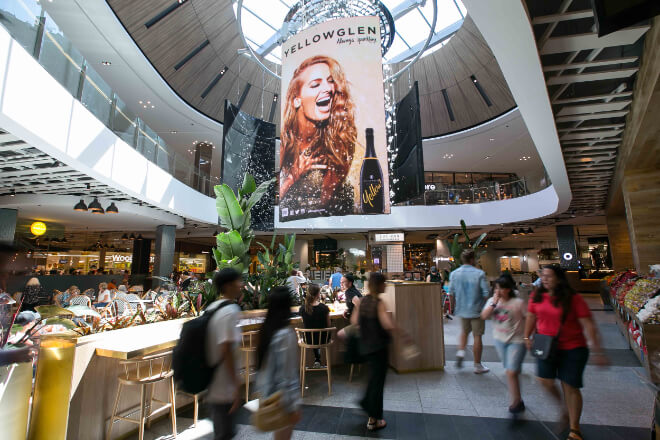
One of the biggest highlights of LED displays in shopping malls is their real-time update capability.
Whether it’s promotional activities, discount information, or countdowns, the screen can instantly display the latest content.
Allowing customers to grasp the event information immediately and increasing their sense of participation.
For example, when a mall launches limited-time offers or special-priced items, the LED screen can scroll through them in real time, letting customers know which items are selling well and which promotions are about to end.
Combined with countdowns or dynamic prompts, customers are more likely to be drawn in and stop to browse other products, thus extending their stay in the mall.
For example, during a holiday promotion, a shopping mall used LED screens to update best-selling product rankings, limited-time discounts, and interactive lucky draw information in real time.
The constantly changing dynamic content on the screen guided customers to pay attention and participate in the activities.
This not only increased the event’s visibility but also kept customers longer, significantly improving the purchase conversion rate.
Simply put, LED screens are not just tools for displaying advertisements; they are more like “real-time shopping guides” for the mall.
By attracting customer attention with dynamic and timely content, they make the event more interactive and urgency-based, while also enhancing the overall effectiveness of the promotion.
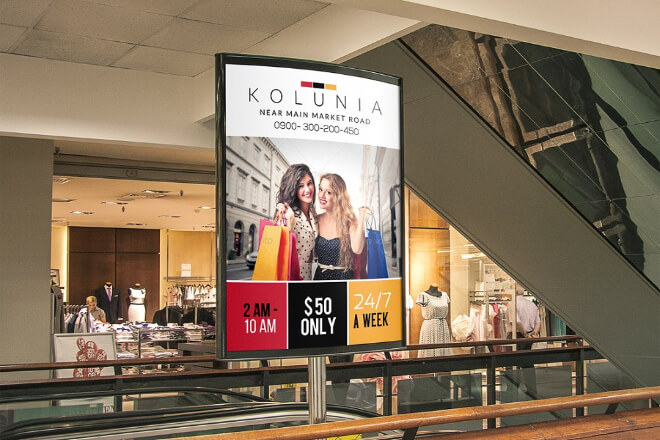
A shopping mall is more than just a place to buy things; it’s more like a “large amusement park” waiting for customers to experience and feel.
LED displays are like little magicians in this amusement park, subtly creating an atmosphere that makes people want to linger.
LED screens can play warm and relaxing videos, making the entire space comfortable and pleasant.
For example, natural scenery, slow-motion lighting, or lighthearted short films can all help customers relax while shopping.
This “visual relaxation” is more attractive than simple posters or signs, making people unconsciously stop and take a second look.
Even more interestingly, LED screens can be combined with music and lighting to create an immersive shopping experience.
This is especially evident during the holiday season: Christmas snowflakes and warm greeting animations flashing on the screens, accompanied by upbeat background music and dazzling lights, transform the entire mall into a mini-theme park.
Customers not only enjoy the visual impact but are also infected by the festive atmosphere, making them want to take more photos and browse around a bit longer.
Specifically, many malls use LED screens to display dynamic effects during holidays such as Christmas, Chinese New Year, and Halloween: falling snowflakes, flashing colored lights, holiday short films, or brand stories.
This dynamic and static visual experience makes shopping more than just shopping; it’s like a fun little adventure, enhancing customer participation and experience, and making them more willing to linger and even buy a few more items.
In summary, LED displays are not only “tools” for information display but also “secret weapons” for creating atmosphere in shopping malls.
They provide customers with a richer visual and emotional experience while shopping, making them unconsciously fall in love with the place and more willing to spend time in the mall.
Besides capturing customers’ attention and displaying various content, LED displays in shopping malls have another “invisible but important” role—they act as a thoughtful “navigator,” silently helping customers plan their routes and making shopping smoother.
By displaying real-time layout maps, store locations, promotional activities, or information about the nearest restrooms, customers can quickly find where they want to go.
Eliminating the need for aimless searching and making the shopping experience more relaxed and enjoyable.
Furthermore, LED screens can cleverly guide pedestrian flow, leading customers to specific areas.
Whether it’s popular stores, newly opened stores, or promotional areas, the dynamic prompts or arrows scrolling on the screen subtly attract customers’ attention, guiding them along the designated route.
This not only improves shopping convenience but also makes the distribution of foot traffic in the mall more rational, avoiding crowded or deserted areas.
For example, during holiday promotions, a shopping mall’s LED screens display the real-time locations of “limited-time discount zones,” “new product experience zones,” or “interactive activity zones.”
Customers can find their desired products or activities instantly with just a glance at the screen.
This not only saves search time but also encourages customers to browse more and participate in more activities, thereby increasing the overall activity level and sales opportunities of the mall.
In short, LED displays are not just “electronic signs” for information transmission but also powerful tools for optimizing shopping mall layouts and guiding customer flow.
They make shopping more enjoyable and encourage customers to linger longer, while also helping malls manage foot traffic more scientifically, enhancing every shopping experience.
 English
  Español
  简体中文
简体中文  Français
  日本語
日本語  한국어
한국어  العربية