
Introduction
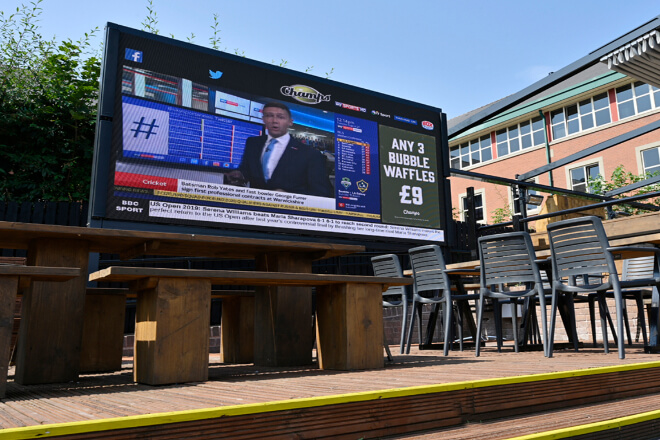
Have you noticed that LED screens are almost ubiquitous in modern cities—on streets, in subway stations, at shopping mall entrances, and even in airports?
Are they really just for displaying advertisements? Actually, no!
In smart cities, LED displays are no longer just “eye-catching billboards.” They can combine real-time data, interactive experiences.
And precise targeting to make advertising smarter, more engaging, and more efficient.
Table of Contents
1. Advertising Innovation in Smart Transportation
In smart cities, LED displays are quietly changing the way we wait for the subway and buses.
Previously, fixed billboards could only display a single image, which passersby might easily forget.
But now, LED screens in subway stations, bus stops, and even smart road signs can not only display advertisements.
But also integrate real-time traffic conditions, bus schedules, and weather information, making advertising “smarter.”
For example, when the subway is delayed, the screen will first inform you of the delay and simultaneously recommend nearby coffee shops, restaurants.
Or convenience services, allowing you to see the advertisement while waiting for the train.
At bus stops, screens scroll through merchant offers and promotions based on the arrival time of the next bus, making them far more targeted and eye-catching than traditional posters.
Even more interestingly, these LED screens can dynamically adjust their advertising content based on time of day and passenger type.
During the morning rush hour, they display commuter-related services, while in the evening, they switch to entertainment, dining.
Or nightlife recommendations, ensuring each ad is tailored to the individual and no longer just a boring background.
In short, LED screens in smart transportation are no longer just small tools for displaying information, but dynamic, ever-changing, and captivating advertising tools.
They make advertising more relatable and enhance the urban transportation experience, allowing you to enjoy a “mini-visual journey” while waiting for the bus.
2. Interactive Advertising in Commercial Districts and Shopping Malls
In modern city commercial districts and large shopping malls, LED displays are no longer just “decorations.”
They have become “secret weapons” for attracting customers, creating interactive elements, and incidentally boosting consumption.
Whether it’s a large street screen in a shopping district or a giant interactive screen at a mall entrance.
Interactive displays can transform you from a passerby into a participant through touch interaction, QR code scanning for discounts, and augmented reality (AR) experiences.
Imagine walking into a mall entrance and standing in front of a large screen, tapping the screen to view new product information, event details, and scanning a QR code to get a discount coupon or participate in a lucky draw.
Large screens in shopping districts can also let you play interactive games with virtual characters, even “try on” clothes or experience product effects.
Previously, advertisements were just pasted on walls; now they’re “dynamic,” allowing you to participate and have fun, greatly increasing the enjoyment.
Even better, this interactive advertising is not only fun but also directly improves conversion rates.
Scanning a QR code for discounts, participating in activities, or AR interaction might lead you to make a purchase—far more direct than traditional static billboards.
Furthermore, LED screen content can be updated at any time, quickly adding content for holidays, events.
Or new product promotions, keeping the advertisements fresh and preventing visual fatigue.
In general, LED displays in commercial districts and shopping malls are no longer just advertising tools, but rather dynamic, interactive, and monetizing stages.
They encourage passersby to stop and interact, while simultaneously enhancing brand awareness and driving sales conversions, making urban commercial spaces more vibrant and engaging.
3. Integrated Advertising in Public Spaces
In smart cities, LED displays in public spaces are more than just “pretty billboards”; they act as urban stewards, providing practical information while also promoting brands.
Whether in bustling city squares, pedestrian streets, airports, or train stations, these screens can simultaneously provide weather, news.
And holiday events, cleverly integrating advertising content to capture your attention while providing information.
For example, on rainy days, LED screens can display umbrella or coffee shop discounts, offering warmth and convenience.
During Christmas or Chinese New Year, the screens switch to holiday-themed advertisements and event reminders, filling the city with a festive atmosphere.
When encountering trending news events, the screens can quickly switch content, cleverly combining news information with relevant brands, allowing you to see advertisements while learning about the news without feeling abrupt.
Airport LED screens are particularly interesting: while flight information scrolls, advertisements for restaurants, shops.
And travel goods appear simultaneously, allowing you to easily remember or participate in brand activities while waiting to board.
Such advertising is both practical and effective, no longer a one-way “wall-mounted ad,” but a smart experience closely integrated with the viewer’s life.
It can be said that LED displays in public spaces are like versatile urban stewards, reminding you of everyday matters while showcasing brand creativity, achieving a win-win situation for information services and commercial value.
It makes urban public spaces less monotonous and advertising less tedious, transforming them into intelligent, fun, and practical interactive stages, making your urban life more convenient and interesting.
4. Data-Driven Precision Targeting
In modern smart cities, LED displays can not only play dynamic advertisements but also achieve precise targeting through data analysis.
And artificial intelligence algorithms, truly delivering advertisements to the “right people.”
LED screens in urban hotspots, commercial district entrances, subway station exits.
Or pedestrian monitoring points can adjust advertising content based on pedestrian traffic.
Time of day, and even audience interests, ensuring each ad is as precise and effective as possible.
For example, during rush hour, LED screens in densely populated subway stations might prioritize advertising for coffee, breakfast, or commuting-related brands.
In the evening, when pedestrian traffic is lower, they can switch to entertainment, dining.
Or nightlife recommendations, ensuring the advertising content matches audience needs and attracts attention more easily.
Through AI algorithm analysis, audience characteristics, dwell time, and interaction behavior are fed back to the advertising system, making subsequent ad placements more precise.
This data-driven approach not only reduces advertising waste but also significantly improves ROI (Return on Investment).
Compared to traditional static billboards, LED screens allow each ad to “smartly” choose its display location, time, and content, allocating the budget to where it’s most likely to be effective, rather than “casting a wide net.”
In short, data-driven precision targeting transforms LED displays from simple advertising tools into powerful, intelligent marketing tools.
It makes advertising more precise and efficient, while enhancing the audience experience.
This ensures that city advertising achieves optimal promotional results without wasting resources, maximizing the value of every LED screen in a smart city.
5. Conclusion
In short, LED displays are ushering in a “smart era” for city advertising. They not only provide real-time information and enhance interactive experiences.
But also enable precise targeting through data-driven approaches, making each advertisement more efficient and tailored to audience needs.
In smart cities, LED screens are no longer just advertising tools, but multifunctional digital platforms that make city life more convenient and enjoyable, while creating higher value for brands.
Finally, for more information about LED displays, please get in touch with us.
 English
  Español
  简体中文
简体中文  Français
  日本語
日本語  한국어
한국어  العربية