
Introduction
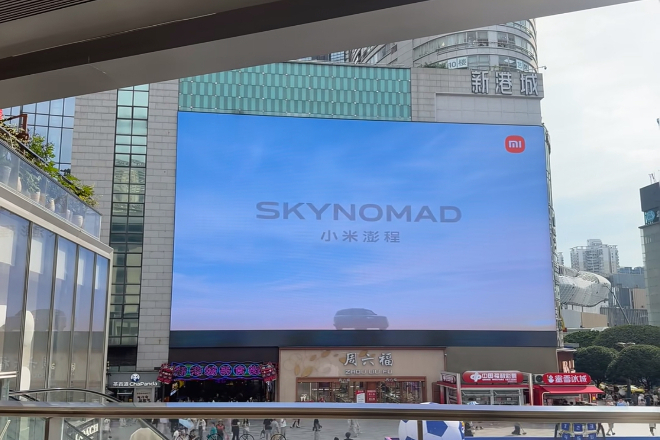
Previously, many people associated LED displays with “playing advertisements.”
But now, walking into centres commerciaux, stores, stades, and even corporate spaces, you’ll find their role is gradually changing.
It’s not just about telling consumers “what’s being sold,” but also influencing “how people experience a space.”
From attracting attention to creating atmosphere and driving interaction, Afficheurs LED are redefining the value of offline spaces.
Table des matières
Scenario 1: From Advertising Display to Consumer Experience in Commercial Complexes

In the past, the role of LED displays in centres commerciaux was simple—playing advertisements to let more people see brand information.
But now, consumers’ expectations of shopping malls have changed.
People aren’t just there to buy things; they also want a more interesting and memorable experience.
Therefore, LED displays are beginning to transform from “advertising tools” into an integral part of commercial spaces.
In high-traffic areas like mall atriums and entrance halls, LED displays can become visual focal points.
A huge, dynamic screen displaying holiday-themed visuals, brand event announcements, or creative content is often more likely to attract customers than a regular poster.
Especially during peak hours, effective visual displays can help shopping malls quickly capture consumer attention.
Besides displaying advertisements, Écrans LED can also contribute to creating a festive atmosphere.
For example, shopping malls can use large screens to create a holiday scene when hosting Christmas events;
Brands can simultaneously display product information when launching new products;
And food and beverage areas can use screens to promote special events, allowing customers to discover new consumer information while shopping.
For commercial complexes, a few extra minutes a customer stays can mean more sales opportunities.
A moment of stopping to look can become a photo to share, or it can become an in-store experience.
LED displays are helping shopping malls create more of these “chance encounters.”
Therefore, today’s commercial LED screens are no longer just telling customers “what’s here,” but answering another question: “Why are customers willing to stay?”
When screens can be integrated into the spatial experience, their value goes beyond mere exposure; they provide opportunities to connect brands and consumers.
Scenario 2: Retail Stores Moving From Signage to Brand Interaction

In the past, many store signs primarily served one purpose: to tell passersby “what kind of store this is.”
However, competition among street-side shops and brand stores is increasingly fierce, making it difficult for an ordinary sign to stand out from the sea of information.
LED displays are enabling stores to move beyond simply being “seen” to more proactive brand interaction.
Afficheurs LED installed on storefronts or in shop windows can attract passersby’s attention with dynamic visuals.
Compared to static logos and light boxes, video content is more likely to create a visual impact.
Making passersby pause for a few seconds to learn about new products or promotions the brand is launching.
For example, a sports brand store can use LED screens to display sporty scenes of new shoe models;
A coffee shop can showcase the preparation process of seasonal limited-edition drinks; and a beauty brand can use videos to demonstrate product effects.
Compared to a simple promotional slogan, dynamic content allows consumers to quickly grasp product features.
At the same time, LED displays also provide stores with more space to tell their brand story.
Besides displaying discount information, stores can showcase brand philosophy, behind-the-scenes production processes.
Or user experience content, letting consumers know not only “what they sell,” but also “why it’s worth choosing.”
For retailers, increasing store visibility is only the first step; the more important step is to attract consumers to take further action.
An attractive LED storefront can hold a passerby’s attention for a few extra seconds, and those few seconds represent a crucial opportunity between walking past and entering the store.
Today’s retail competition is no longer just about having a better location or more attractive decor; it’s about who can capture consumers’ attention most effectively.
LED displays are helping stores transform an ordinary sign into a continuously working brand showcase.
Scenario 3: From Event Display to Immersive Experiences in Sports Venues

Previously, LED displays in stadiums primarily served one purpose: displaying scores.
However, as audiences’ expectations for the live experience have increased, LED screens are no longer just about “telling everyone who’s leading.”
But about helping to create a more engaging and immersive event experience.
During a match, LED displays can show real-time scores, player statistics, highlights, and key moments, allowing spectators in different seats to stay informed about the game’s progress.
Especially in large stades, where not every spectator can clearly see every detail on the field, LED screens can compensate for viewing limitations, making the experience more complete.
Beyond basic information display, LED displays are also becoming an important tool for enhancing interactivity.
For example, fan interaction content, on-site voting, audience blessings, and game special effects can all be displayed in real time on large screens, allowing spectators to not just sit in the stands watching the game, but truly participate.
For instance, in a football match, a goal combined with stadium lighting, sound effects, and LED screen animations can instantly ignite the atmosphere;
During timeouts in basketball games, playing highlight reels and fan interaction content can keep the game’s pace high.
For sports venue operators, the value of LED displays extends beyond simply enhancing the viewing experience.
By showcasing sponsor advertisements, brand content, and interactive marketing activities.
Screens become a crucial channel connecting fans, events, and business partnerships, further enhancing the commercial value of the event.
Today’s sports venues are no longer just places to watch games, but comprehensive experiential spaces.
LED displays are helping events transform from “watching a game” to “participating in an event,” making every live viewing experience more memorable.
Scenario 4: Hotels and Entertainment Venues: From Spatial Decoration to Atmosphere Creation
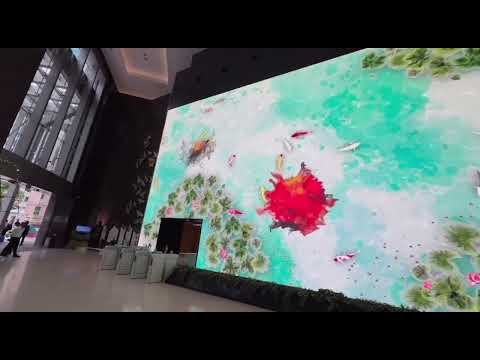
When entering a hôtel or entertainment venue, the first impression often doesn’t come from a description, but from the feeling the space evokes.
Lighting, music, and decorations collectively determine the atmosphere, and LED displays are becoming an increasingly important element, allowing spaces to “change their expression” for different scenarios.
In hotel lobbies, banquet halls, bars, and other areas, Afficheurs LED are no longer just for displaying content, but have become an integral part of the spatial design.
They can showcase natural scenery, artistic images, brand stories, and even adjust their visual style according to different times of day, giving otherwise static spaces more dynamism.
For example, a hotel lobby can play soothing natural images during the day, creating a relaxed environment for guests checking in;
At night, it can switch to city nightscapes or brand-themed visuals, enhancing the overall sense of sophistication.
For bars and entertainment venues, LED screens can also coordinate with music rhythms and lighting changes, making the atmosphere more engaging.
In multifunctional spaces like banquet halls, the advantages of LED displays are even more pronounced.
The same venue might host a wedding one day, a corporate event the next, and a new product launch the day after.
By quickly changing the background content, a space can easily switch between different themes without needing to rearrange extensive decorations.
For hotels and entertainment venues, customers are not just buying the right to use a room or a table, but an experience.
A distinctive visual environment is more likely to leave a lasting impression on guests and become a popular “check-in” spot on social media.
Today, spatial design is shifting from “fixed decoration” to “dynamic experience.”
LED displays are transforming hotels and entertainment venues from simply providing a space into constantly creating new atmospheres and experiences.
Scenario 5: From Information Display to Digital Communication in Corporate and Public Spaces

Information displays in many spaces used to be very “fixed”: wall-mounted information boards, notices on bulletin boards, or signs at the entrance.
Once the content was updated, it needed to be remade and replaced. But now, as people’s demands for faster information access increase, LED displays are making these spaces more flexible.
In corporate lobbies, LED displays are no longer just for displaying welcome messages.
They can showcase the company’s development history, brand philosophy, product videos, and the latest news, allowing visitors to quickly learn about the company while waiting or touring.
Compared to a wall covered in text, dynamic visuals are more likely to attract attention and make the company image more vibrant.
For example, a technology company’s reception hall can use LED screens to display product application cases, R&D achievements, or project data in real time.
When customers enter a space, there’s no need for staff to provide introductions; the screens already tell the story.
In public spaces like aéroports and train stations, LED displays fulfill a different communication role.
With a large volume of people passing through daily, information must be delivered quickly and clearly.
Flight changes, train information, route guidance, and public notices all require timely updates based on real-time conditions, and LED systems better meet this dynamic need.
En outre, Écrans LED in multiple areas can be controlled through a unified management system.
For example, in commercial centers, transportation hubs, or large corporate parks, the content displayed can be adjusted according to different times and scenarios, making information dissemination more efficient.
The spaces of the future are not simply about “having screens,” but about screens truly participating.
LED displays are helping businesses and public spaces move from one-way information display to a more timely and efficient form of digital communication.
After all, in an era of ever-accelerating information flow, whoever can deliver the correct information faster will create a better spatial experience.
6. Conclusion
The competition in offline spaces is no longer just about size and location.
Whoever can create a better experience is more likely to be remembered.
The value of LED displays is evolving from simply being a display device into a way to connect brands, spaces, and consumers.
Enfin, merci de nous contacter for more information about LED displays.


 English
  Español
  简体中文
简体中文  Français
  日本語
日本語  한국어
한국어  العربية