

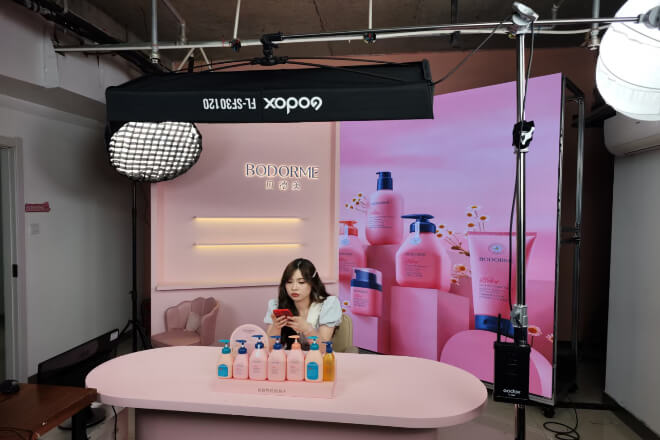
For many temporary events, the biggest challenge isn’t “whether it will be effective,” but whether it’s worth investing a large budget for a few days of use.
For example, for a 3-day exposition, a brand pop-up event, or a short-term performance, purchasing a brand new LED display screen would require considering storage, maintenance, and reuse after the event, making the overall investment potentially uneconomical.
This is one reason why used LED screens are gaining attention.
Compared to brand new equipment, used LED screens typically reduce upfront procurement costs, allowing events with limited budgets to achieve better visual effects.
For example, small and medium-sized enterprises (SMEs) can use second-hand LED screens to create stage backdrops, brand display areas.
Or interactive zones when holding new product launches, business roadshows, or outdoor events, without incurring excessive equipment investment.
At the same time, second-hand Écrans LED are more suitable for the rapid setup needs of temporary projects.
With limited event time, organizers often want equipment that can be quickly installed, tested, and put into use.
Mature second-hand equipment, validated in previous projects, offers more flexible options for short-term applications.
Of course, choosing a second-hand LED screen doesn’t mean only considering price; you also need to pay attention to the screen’s condition, lifespan, brightness performance, and after-sales support.
For temporary events, second-hand LED screens are more like a “smart budget allocation method.”
More funds can be allocated to content, creativity, and the on-site experience, rather than allocating them to one-time equipment purchases.
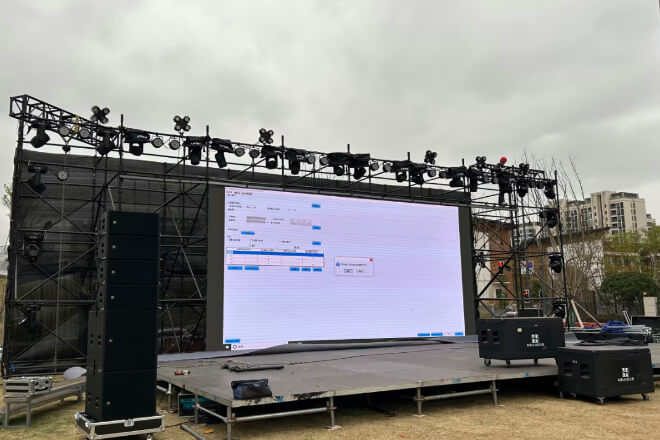
Not all events require a “permanent set of equipment.” Some projects prioritize maximizing the on-site effect within a limited time.
This is why second-hand LED screens are popular for temporary events.
For example, at trade shows and des expositions, companies can utilize secondhand LED screens to showcase brand introductions, product videos, and key selling points, making their booths stand out from a sea of static posters.
After all, in a crowded exhibition hall, a dynamic large screen is often more likely to attract visitors than a promotional image.
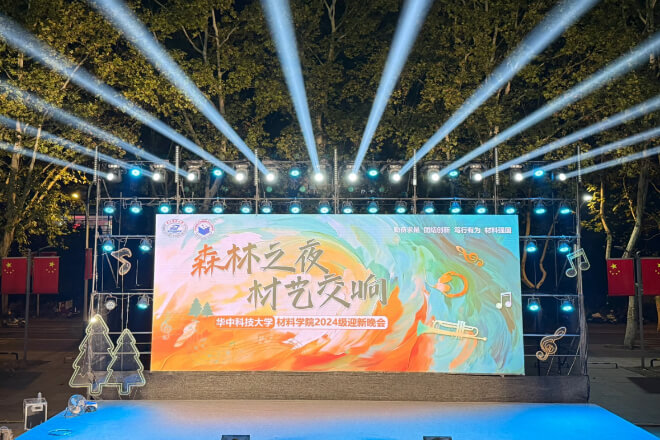
In concerts and stage performances, LED screens are also an important tool for enhancing the atmosphere.
Whether displaying artist footage, organiser backgrounds, or creating visual effects in conjunction with lighting, large screens can provide a stronger sense of presence for viewers at a distance.
Secondhand LED screens are also suitable for sporting events.
For example, community events, school competitions, or short-term sporting events can use LED screens to display scores, game information.
And highlights, making it easier for the audience to keep up with the pace of the game.
Furthermore, short-term projects such as commercial promotions and brand pop-up stores can also use LED screens to quickly create eye-catching areas.
Par exemple, dans un shopping mall’s new product promotion event, a prominent LED screen can play product promotional videos and special offers, helping the brand attract more passersby.
For temporary events, secondhand LED screens are like a “temporary main player.”
It doesn’t require long-term resource allocation, yet it can quickly function at exhibitions, performances, events, and promotional events, helping to create a stronger visual impact.
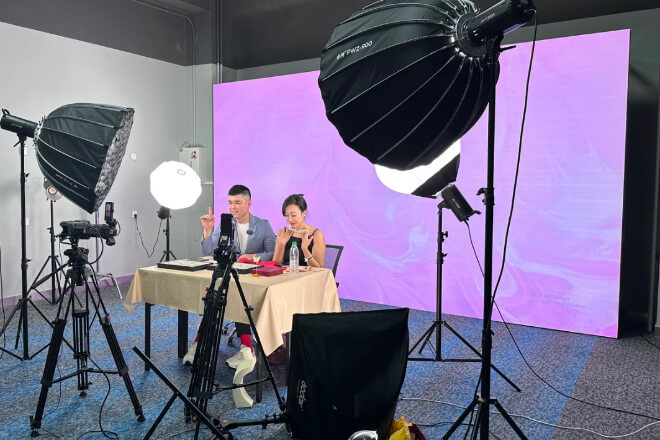
When choosing a used LED screen, don’t just look at the attractive price.
One of the most awkward situations at an event is when the audience has arrived, the music has started.
But the LED screen starts acting up—uneven brightness, flickering, or even some areas not displaying at all.
Therefore, thorough inspection is crucial before purchasing a used LED screen.
First, understand the screen’s age and operating condition.
An LED screen that has undergone intensive use at large concerts and outdoor events may be in a completely different condition than one primarily used for small indoor meetings.
Understanding what projects the equipment was previously used for, how long it was used, and whether it was regularly maintained can help determine its true condition.
Second, test the luminosité and uniformity of the LED beads.
For example, in an outdoor brand event, if the left side of the LED screen is vibrant while the right side is noticeably darker, the visual effect will be significantly diminished.
Therefore, it’s necessary to check the consistency of the entire screen display and for any dead pixels, dark spots, or color differences.
Additionally, fréquence de rafraîchissement and image stability are also crucial.
Especially for concerts, live streams, or scenarios requiring video recording, an insufficient refresh rate can cause flickering or moiré patterns in the camera feed, affecting the final broadcast effect.
Furthermore, the control system and power status cannot be ignored.
Many problems don’t originate on the screen surface but rather in the control card, power module, and other components behind it.
Checking these components beforehand can reduce the risk of sudden malfunctions during the event.
Choosing a used LED screen is like selecting an experienced veteran.
The key isn’t whether it’s brand new, but whether it can perform reliably. With thorough checks, even used equipment can support a successful event.
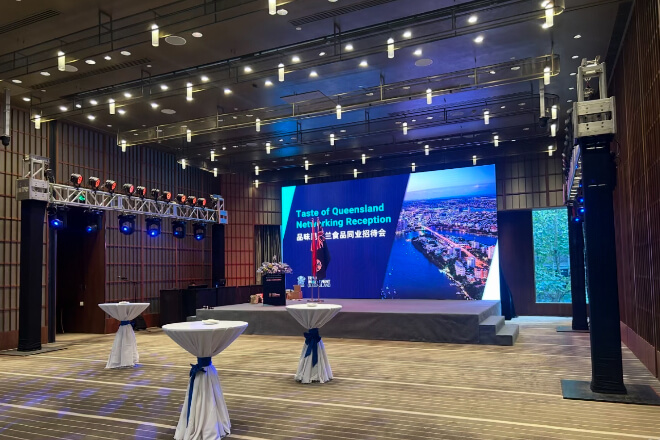
Used LED screens can indeed help reduce the budget for an event, but they don’t guarantee peace of mind.
Just like buying used equipment, while the initial price is lower, it’s essential to be aware of potential problems later on.
Otherwise, the savings from the initial purchase might end up being spent on repairs and debugging.
First, long-term operational stability is a key concern.
For example, a large event might require the LED screen to operate continuously for 8 hours or more.
If the equipment has been used frequently before, aging components can affect operational stability.
Second, luminosité differences may occur between modules.
In practical use, if some Modules LED experience performance degradation after prolonged operation, localized brightness inconsistencies may appear.
This might not have a significant impact on ordinary displays, but in scenarios with high image quality requirements.
Such as organiser performances and live broadcasts, it will be easily noticed by the audience.
Furthermore, maintenance and spare parts supply are often overlooked issues.
Some older LED screen models may still function normally, but if modules, power supplies.
Or control components need to be replaced later, finding replacement parts may be difficult, affecting repair efficiency.
Another common misconception is underestimating installation and commissioning costs.
Many people only focus on the screen purchase price, neglecting transportation, installation, structural setup, and on-site commissioning costs.
If the equipment’s condition is complex and commissioning time is increased, the overall cost may exceed expectations.
Used LED screens are like well-maintained used cars; their performance can still be very strong, but only if you understand their “past.”
Conducting thorough assessments beforehand is crucial to avoid unwanted issues during the event.
To truly make used LED screens “worth their money,” it’s not enough to simply move them to the event.
After all, the last thing you want to hear on the day of the event is, “The screen was working perfectly yesterday; why isn’t it lighting up today?”
To ensure stable performance from used LED screens, thorough preparation is essential.
First, conduct pre-event testing and aging checks.
Before the event, run the screen continuously for a period to check luminosité, color, module status, and power supply.
For example, in an outdoor performance, discovering a module problem beforehand allows time for replacement; repairing it after the audience arrives becomes a major surprise.
Second, select the appropriate LED model based on the event scenario.
Viewing distance, ambient brightness, and usage requirements all affect display quality.
For instance, exposition booths are usually closer together, so image detail is more important, while large outdoor events require higher brightness to ensure clear visibility for distant viewers.
The installation team is equally important.
LED screens are not simply “put together and use” devices; structural installation, screen leveling, and parameter tuning all affect the final effect.
An experienced team can make used equipment perform almost like a new screen.
Furthermore, preparing backup plans is a crucial aspect of event security.
Preparing spare modules, alimentations, or emergency handling methods in advance can prevent minor issues from affecting the entire event.
A used LED screen is like a seasoned actor; if it’s in good condition and well-prepared, it can still play a leading role.
The key is not whether it has a “new identity,” but whether it can perform reliably at crucial moments.


 English
  Español
  简体中文
简体中文  Français
  日本語
日本語  한국어
한국어  العربية