
소개
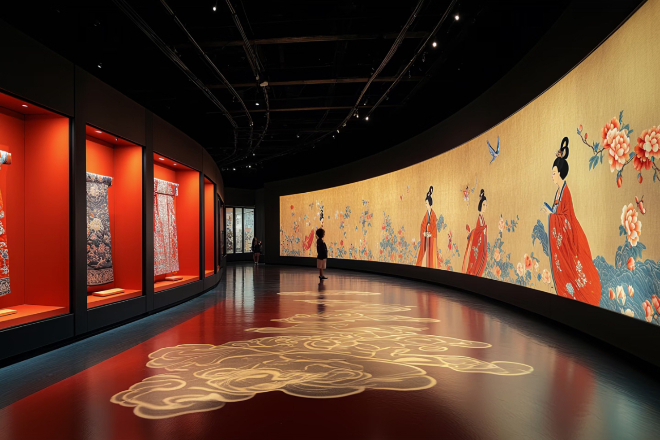
If the dinosaurs, ancient cities, and historical figures in a museum “came to life,” wouldn’t you linger for a few more seconds?
This is precisely the direction more and more 박물관 are starting to explore.
Compared to quietly viewing exhibits in the past, LED 디스플레이 offer more possibilities for history—a video or a dynamic scene can transport viewers back to another era.
목차
1. How do LED displays make artifact displays more vivid?

When an artifact is displayed, viewers may only see its appearance, but the story behind it—who created it, how it was used, and what era it lived through—is often the truly captivating part.
The addition of LED displays allows this content, originally hidden in text descriptions, to be presented more intuitively.
Through dynamic images, high-definition visuals, and digital content, museums can recreate historical scenes.
Transforming artifacts from “objects lying quietly in display cases” into historical figures that tell stories.
For example, an ancient artifact can be animated to showcase its production process, and an ancient painting can be digitally presented to depict the activities of the figures and the historical context.
Compared to traditional display panels, LED 디스플레이 can supplement more information. Visitors can not only see the artifacts themselves.
But also understand their cultural significance, historical changes, and connections to life at the time, enriching the exhibition content.
Especially for younger audiences, simply reading text may make it difficult to quickly immerse themselves in the historical context.
Dynamic visuals and immersive displays lower the barrier to understanding, making the visit feel more like a “time-travel experience.”
Of course, LED displays are not just about making museums more crowded, but about helping artifacts better express themselves.
Through digital displays, historical stories that have been dormant for many years can be brought back to life for today’s audiences in a more vivid way.
2. How do LED displays create immersive historical spaces?
If traditional 전시회 are about “telling history,” then immersive displays are more like “taking the audience into history.”
Behind every artifact and every piece of text often lie many stories, and LED displays can help make these stories more three-dimensional.
Through large-size LED screens, museums and cultural spaces can create a more immersive visual environment.
Visitors are no longer just standing in front of display cases; they can see recreations of ancient cities, historical scenes, and even important events through dynamic visuals.
For example, a historical exhibition can use LED 스크린 to recreate ancient streets, allowing visitors to experience the atmosphere of that time;
Cultural projects can also use digital images to showcase traditional architecture and folk activities, making static cultural content more vibrant.
Of course, immersion isn’t just about large screens. LED displays can also be combined with lighting, sound, and interactive devices, engaging multiple senses.
The combination of scenes on the screen, sounds around the viewer, and the surrounding environment makes it easier for viewers to feel truly “present.”
을 위한 박물관 and cultural tourism spaces, this experiential approach is more in line with the viewing habits of modern audiences.
Younger generations, in particular, not only want to learn about history but also want to engage with cultural content in a more interesting and accessible way.
A good immersive exhibition doesn’t mean the screen steals the spotlight from the artifacts; rather, it uses digital technology to add more ways to express history.
It allows past stories to be seen and felt again through LED displays, opening up more possibilities for cultural presentation.
3. How can LED displays enhance the interactive visitor experience?
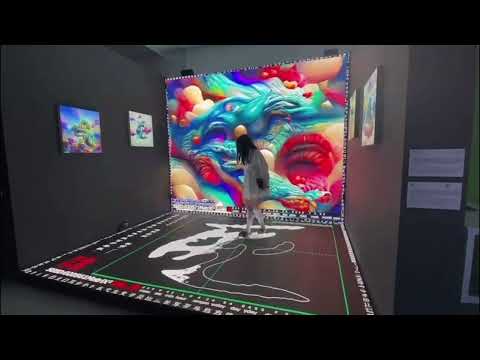
Today’s 박물관 and cultural spaces no longer simply want visitors to “see and leave.”
How to get visitors to stop and explore a little longer has become a growing concern for museums.
The addition of LED 디스플레이 transforms the visit from simply “reading text descriptions” into an active exploration experience.
Through touch interaction and digital content displays, visitors can discover more information themselves.
For example, when faced with an ancient artifact, visitors can view high-definition details on the screen to understand its manufacturing process;
They can also learn about the historical stories behind it through interactive content, and even see its actual use in past life.
The biggest change in this approach is that it transforms the audience from “observers” into “participants.”
Different people can choose what to watch based on their interests. Some enjoy researching historical background, some focus on detailed craftsmanship.
And others prefer experiencing interactive scenarios—everyone can find their own way to visit.
This experience is also more appealing to younger audiences. Compared to simply reading display panels, interactive screens, dynamic images.
And digital experiences better suit their information acquisition habits, making cultural content easier to understand and share.
Of course, interactivity is not simply about adding a few touch buttons, but about technology truly serving the content.
Good LED interactive displays should help visitors get closer to history, rather than letting the screen steal the exhibits’ attention.
When visitors not only “see” artifacts but are also willing to actively learn about the stories behind them, the value of an exhibition is further extended.
4. How can LED displays help museums showcase more content?

One of the biggest limitations for museums is limited space, while the amount of content they want to display is ever-increasing.
Behind a single exhibit may lie dozens of pages of information and a long history, which is difficult to fully present using only display cases and text descriptions.
The addition of LED displays gives 박물관 more possibilities for display. It can break through the limitations of physical space.
Integrating more digital content into exhibitions, allowing limited exhibition halls to carry richer information.
For example, a precious artifact may not be able to be displayed permanently, but through high-definition digital images, visitors can still learn about its details, historical background, and related stories.
For cultural materials that are easily affected by the environment, they can also be displayed digitally, reducing reliance on physical resources.
뿐만 아니라, LED 디스플레이 can help museums showcase more digital collections.
Information that could only be stored in databases in the past can now be presented to visitors through large screens, interactive displays, and other means, allowing more hidden cultural content to be seen.
LED displays also provide greater flexibility in temporary exhibitions.
When exhibition themes change, the content can be quickly adjusted to combine different historical periods, artistic themes, or cultural activities, creating richer exhibition formats.
Of course, digital displays do not replace physical artifacts, but rather add more ways to express them.
Through LED displays, museums can bring more stories to the audience, making a visit more than just seeing a few exhibits; it allows them to understand an entire cultural memory.
5. How do LED displays drive the digital upgrade of museums?

In the past, people entered museums primarily to learn about history through display cases, text descriptions, and explanations.
But as audience needs have changed, museums have begun to consider: how to make precious cultural content visible in a more engaging way?
The addition of LED 디스플레이 provides museums with a new answer. It is not just a screen displaying images, but a digital bridge connecting artifacts, stories, and audiences.
First, LED displays can make exhibitions more visually appealing.
High-definition images, dynamic videos, and immersive scenes can add more variety to what was originally a static 전시회.
Allowing visitors to experience a richer experience from the moment they enter the exhibition hall.
At the same time, digital displays also make content updates more convenient. Faced with different themed exhibitions, cultural events, or special exhibitions.
Museums can quickly adjust the content on their screens without frequently changing physical exhibits, making museum operations more flexible.
Furthermore, LED displays can help 박물관 create distinctive cultural IP display spaces.
Through digital imagery, creative design, and interactive experiences, historical figures, traditional culture.
And local characteristics can be reinterpreted, forming display methods that are more easily accepted by younger audiences.
More importantly, excellent digital displays often have stronger dissemination power.
A creative LED exhibition area can become a popular spot for visitors to take photos and share, extending the museum’s influence from within the museum to social media platforms.
Digital upgrades are not about technology replacing culture, but about giving culture more ways to be expressed.
Through LED displays, museums can make dormant historical content more vivid and encourage more people to approach, understand, and remember these stories.
6. 결론
A good museum not only collects the past, but also tells the past in new ways.
The changes brought about by LED displays are not about technology taking away the leading role of cultural relics, but about helping those dormant stories to be seen again.
Making visitors willing to stop and learn more is perhaps the greatest significance of digital displays.
Finally, if you would like to learn more about LED displays, 우리에게 연락해주세요.


 English
  Español
  简体中文
简体中文  Français
  日本語
日本語  한국어
한국어  العربية