

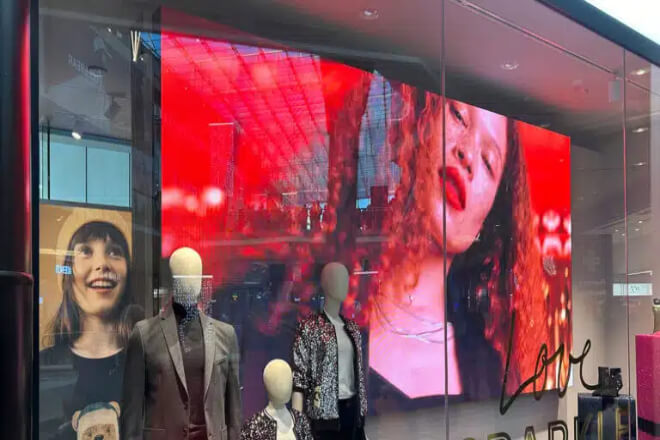
In street-side stores, 쇼핑몰 entrances, or brand showrooms, consumers are exposed to a large amount of information every day, but only a few things truly make them stop and look.
Compared to traditional posters that only display a single image, LED video walls can make brand displays more attractive through dynamic images, videos, and creative content.
For example, if a sports brand store only displays a new product poster, consumers may not pay much attention as they pass by.
However, if an LED 비디오 월 plays footage of athletes training, detailed demonstrations of new products, or product usage scenarios, the dynamic effects are more likely to grab the attention of passersby and make the product features more intuitively expressed.
Content updates are also a major advantage of LED video walls. Merchants can adjust the content displayed based on different time periods.
For example, during weekday morning and evening commutes, they can showcase brand image and new product highlights;
While on weekends, when foot traffic increases, they can switch to discount activities, member benefits, or recommendations for popular products to increase consumer interest in entering the store.
Additionally, 명도 and image quality also affect attractiveness.
Especially in outdoor stores or street-facing windows, where ambient light varies greatly, if the screen image is not clear enough, it can easily be “drowned out” by the environment.
High-brightness LED video walls can make key content stand out more, maintaining good visual effects even during the day.
Some international retail brands have begun to use window LED screens to create dynamic displays.
Such as changing themes according to the season or launching short videos to coincide with new product launches, making the store’s exterior itself part of brand communication.
Ultimately, the value of LED video walls is not just about making advertisements “move,” but about generating consumer interest in the few seconds they pass by, moving them from “seeing” to “staying” and “entering.”
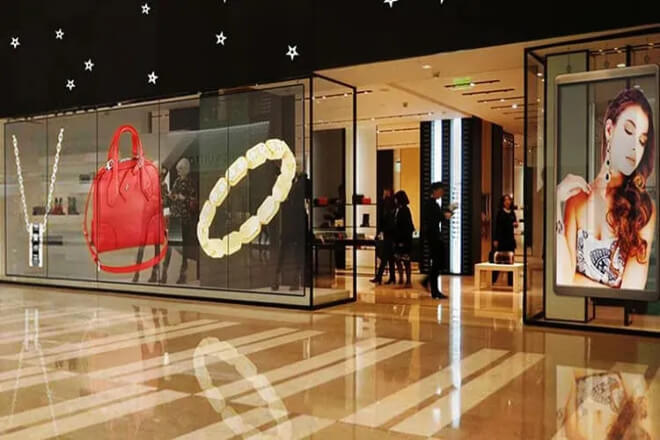
Often, consumers are not uninterested, but they don’t see the product’s connection to themselves in a short period of time.
Traditional product displays typically only tell customers “what it is,” but LED video walls can go further and demonstrate “what it can bring.”
Through video and dynamic visuals, LED 비디오 월 can place products within real-world scenarios, making it easier for consumers to understand how to use them.
For example, in a smart home store, simply displaying a set of smart devices might only show customers the exterior;
However, by showcasing home life scenarios through LED videos, customers can intuitively see how lighting, air conditioning, and security systems are integrated into daily life.
For retail brands, this approach is particularly suitable for new product demonstrations.
For instance, when a mobile phone brand launches a new product, it can use videos to showcase nighttime photography, travel footage, and gaming experiences, allowing consumers to see not just specifications, but how the product performs in real-life situations.
Similarly, in sports brand stores, LED video walls displaying footage of athletes training, competing.
Or engaging in outdoor activities strengthen the connection between the product and its usage scenarios. Consumers are no longer just seeing a product, but a lifestyle.
Compared to static displays, scenario-based content gives consumers more room for imagination.
Many purchasing decisions are not based on a barrage of features, but rather on a fleeting feeling that “this product is perfect for me.”
Therefore, the role of LED video walls is not simply to play promotional videos, but to help brands place their products in familiar scenarios for consumers, making product value easier to understand and remember.
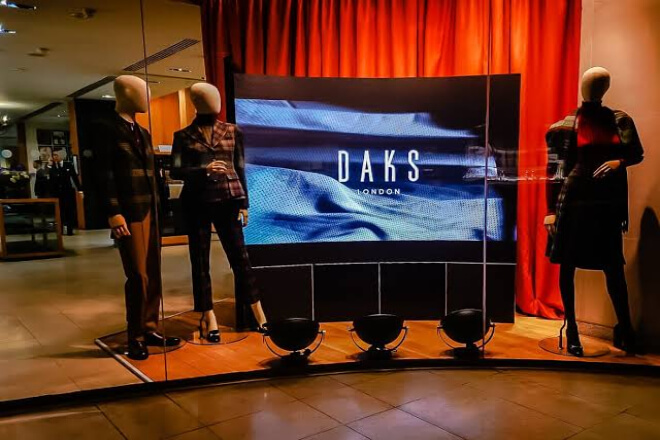
Previously, window displays primarily involved simply displaying products for consumers to see as they pass by.
Now, more and more brands want their windows to “actively attract attention,” encouraging consumers not only to stop and look but also to participate.
The addition of LED 비디오 월 transforms the window display from a one-way exhibition into a more interactive experiential space.
For example, clothing stores can use interactive LED screens to showcase the styling effects of different styles.
Consumers standing in front of the window can choose their preferred style, and the screen will display different outfit options based on their selection.
Compared to traditional mannequin displays, this method can present more product combinations and is more likely to pique customer interest.
For brands of electronics, automobiles, and other products, interactive displays can also help consumers understand the products more quickly.
For example, mobile phone stores can use QR code scanning to allow passersby to see product parameters, feature introductions, and experience videos on the screen.
While car brands can use large screens to display vehicle interiors, driving scenarios, and other content, allowing consumers to gain some understanding of the products before entering the store.
Besides QR code scanning and touch control, some stores also incorporate sensor technology, allowing the screen to automatically change according to the consumer’s movements.
New product content is played when someone approaches, and more details are displayed when someone stays longer, making the window display more dynamic.
For example, some overseas 스포츠 brand stores use interactive windows to allow consumers to participate in virtual sports experiences, with dynamic content on the screen changing according to the user’s movements.
This display method not only increases fun but also creates more connections between the brand and consumers.
Therefore, LED video walls truly change not only the images in the window display but also the way consumers interact with the brand.
From “seeing while passing by” to “actively participating,” interactive design can help stores create longer dwell times and bring more conversion opportunities.
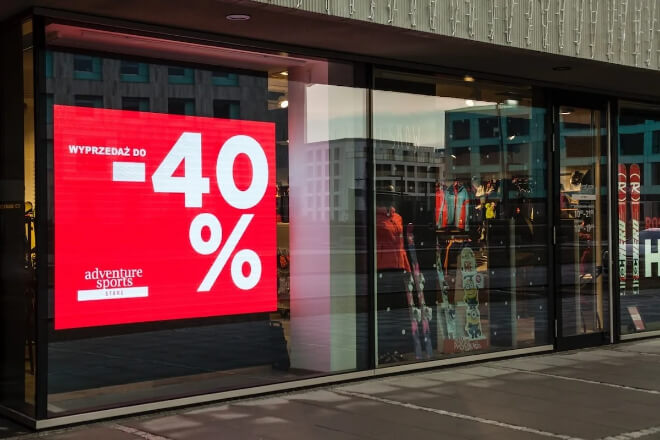
During holidays, 쇼핑몰 and stores often experience a surge in foot traffic. However, consumers are bombarded with promotional information daily, making it crucial for businesses to ensure their brands stay noticed.
The advantage of LED video walls lies in their ability to quickly adjust content for different holidays, keeping store displays consistently attractive.
For example, during holidays like Christmas, Valentine’s Day, and Chinese New Year, brands can change their visuals to match the festive atmosphere.
Compared to fixed posters, dynamic videos can incorporate animation, lighting effects, and brand elements, making window displays more vibrant and attracting passersby.
LED 비디오 월 also play a significant role in promoting new products. For instance, beauty brands launching limited-edition holiday gift sets can showcase product unboxing, usage effects, and design concepts on the screen;
Clothing brands launching new collections can play model demonstrations and styling videos, allowing consumers to preview the new styles.
Furthermore, the biggest characteristic of holiday events is their rapid pace of change. Today’s pre-sale might be tomorrow’s official promotion, and new content needs to be introduced after the event ends.
LED video walls can quickly update their content, eliminating the need for reproducing and changing materials like traditional advertising.
Some overseas shopping districts and brand flagship stores utilize LED window displays to create themed presentations during shopping seasons like Christmas and Black Friday, making the store’s exterior an attractive feature for consumers.
Often, consumers stopping to take photos and share them generate additional word-of-mouth.
Therefore, LED video walls are not only a tool for holiday promotions but also a way for brands to create buzz and attract customers. By updating content in a timely manner, stores can ensure a stronger visual impact during every important marketing period.
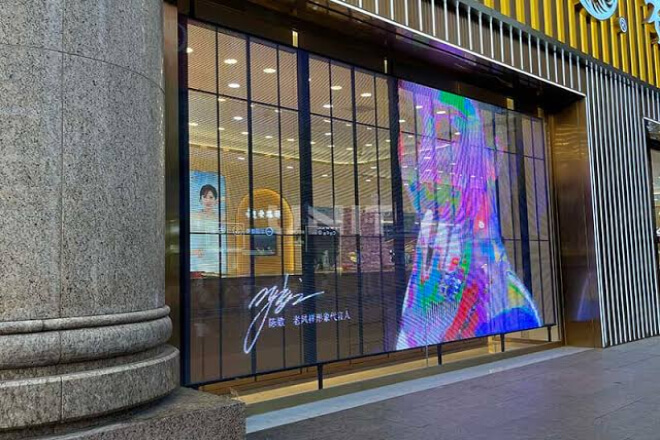
Many stores, after installing LED 비디오 월, often simply play brand promotional videos or advertisements as their first step.
However, as usage time increases, businesses discover that the real factor affecting effectiveness is not “what is played,” but rather “when it is played, who is shown it, and what kind of content is more effective.”
For example, a clothing store in a 쇼핑몰 might primarily attract commuters during the day from Monday to Friday; however, in the evenings and on weekends, the flow of young consumers and families increases.
Playing the same content at all times may not yield the best display results. Adjusting the playback plan based on changes in customer traffic ensures that the advertising content is more relevant to the current context.
The content itself also needs continuous optimization. Merchants can experiment with different types of videos, such as showcasing new product details, user scenarios.
And introducing promotional activities, and then observe which type of content is more likely to attract consumers’ attention.
Compared to relying on experience, data feedback can help brands find more effective display methods.
For example, a sports brand store can test two types of window display videos: one highlighting the product’s appearance, and the other showing athletes wearing the products in competition.
By comparing data such as dwell time and the number of scans, they can determine which content is more engaging for consumers.
If the LED video wall incorporates features like QR code scanning and interaction, it can further understand consumer interests.
For example, which products are viewed more often, and which activities generate more interaction—this information can help stores adjust their subsequent marketing strategies.
For brands, the LED video wall should not just be a playback device, but a continuously optimizing digital marketing portal.
Through data accumulation and content adjustments, the effectiveness of window displays will continuously improve with operational experience, making each exposure more valuable.


 English
  Español
  简体中文
简体中文  Français
  日本語
日本語  한국어
한국어  العربية