
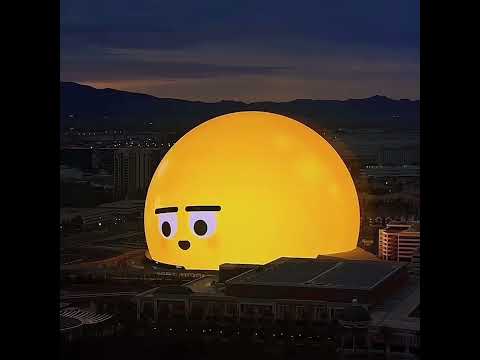
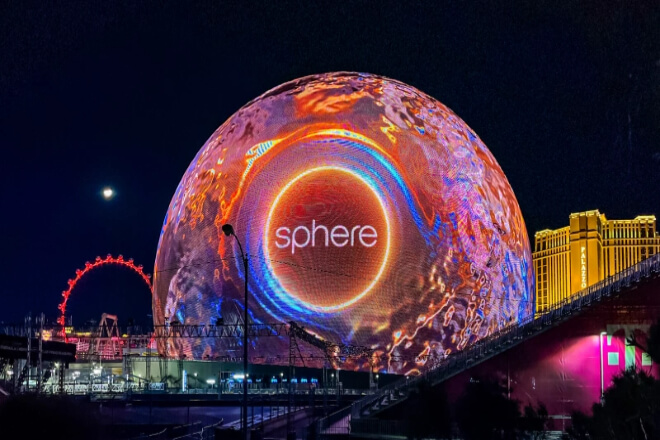
In nighttime tourism scenes, LEDスクリーン don’t just “display”; they’re more like helping a place “attract people, keep them there, and let them take a picture.”
First, the most important function of entrances and plazas is to “attract people to stop.” Many places look similar at night, but the presence of a large, animated screen at the entrance completely changes the feeling.
For example, at the entrance of a scenic spot, during the day, it’s simply “this is the entrance,” but at night, when the screen lights up and the animation starts, people will unconsciously slow down to look around and even take a picture.
Second, large screens easily become “crowd-gathering points” at night. In a dark environment, a bright and animated screen naturally becomes the center of attention.
For example, in a city square, without a screen, people might just “walk around,” but with a screen, it becomes a place where “everyone stops to look around.” Simply put, it’s not decoration, but “a reason for people to stop.”
Then, the act of “checking in” is actually “incidentally” brought about by the content. Many nighttime tourist spots are popular not because of their complexity, but because they are “photogenic.”
For example, during festivals, LED screens display animations, light changes, or interactive visuals with city characteristics, and people will naturally stop to take photos. It’s not designed for you to check in, but rather for you to “feel like taking a picture.”
Finally, the key is that it’s not static lighting, but a space with changing content. If you always display the same images, you quickly lose interest.
But if you change the content according to festivals, events, and time periods, so that there’s something new every time you go in the evening, it’s easier to remember.
For example, normally it’s city promotion, changing to themed animations for festivals, and becoming interactive visuals during events. This sense of change makes the place more “lively.”
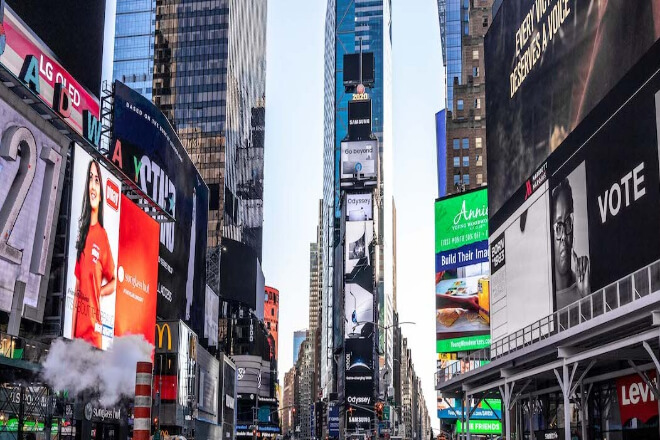
Modern light shows are no longer just simple “lights on, water spraying” effects. They transform LED displays, lights, and fountains into a storytelling live space.
First, the entire scene comes alive when the LED display, lights, and fountains work in tandem.
Individually, a fountain is a fountain, and individually, a light is a light, but when synchronized with the LED screens content, the rhythm is unified.
For example, in a city-themed show, the LED表示 tells the city’s story, the lights brighten and dim according to the emotions, and the fountain rises and falls with the rhythm.
The audience is more easily drawn in, rather than each watching something independently.
Second, the LED display acts as the “storyteller of the main visual.” Lighting provides the atmosphere, the fountain provides the dynamism, and the LED display conveys the content.
For example, telling the story of a river: the LED display shows the water flowing from its source to the city, the lights simulate the movement of the water.
And the fountain is like “the water being ignited,” transforming the entire space into a complete narrative.
Simply put: the LED display is not a background; it is the “story itself.”
Finally, thematic content makes each show unique. If it’s just a repetitive cycle of lights, it quickly becomes tiresome. But if the content can be themed around, it becomes a performance you can “watch repeatedly.”
For example: festival-themed shows, historical shows about city culture, interactive shows during peak tourist seasons—each performance offers a different experience.
Finally, immersion comes from “you’re not just watching, you’re enveloped.” When the LED display is the foreground, the lights are the environment.
And the fountain is the dynamic space, the audience’s feeling changes from “watching a performance” to “standing inside the performance.”
For example, standing in the center of a square: surrounded by changing light and shadow, with the LED display narrating the story in front of you, and water mist and rhythmic changes beneath your feet, it feels like being completely enveloped by the scene.
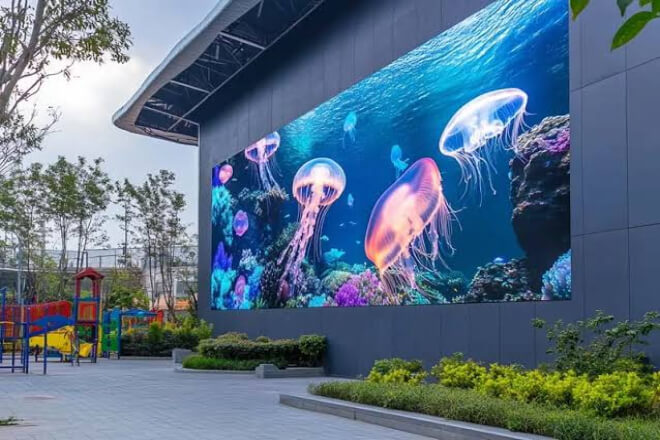
The biggest fear when telling local cultural stories is turning them into an “instruction manual.” The advantage of LED displays is that they can transform static content into visually appealing, immersive, and even “immersive” images.
First, history and folklore are no longer just “introduced,” but “performed.” Previously, a story might be told through text and images; now, dynamic visuals can directly recreate the scene.
For example, when telling the history of an old street, instead of simply writing “This place has a century-old commercial culture,” the screen directly recreates the atmosphere of the old street scene, the bustling crowds.
And the sounds of vendors hawking their wares. Viewers are more likely to remember the visual impression than the text.
Secondly, digital representation makes regional characteristics easier to understand. Many local cultures are actually very distinctive, but if only explained, tourists from other places may not grasp their essence.
For example, local festivals, traditional handicrafts, and intangible cultural heritage performances can be presented as dynamic processes on LEDスクリーン, showing people “how it’s made.”
Like making a traditional craft, unfolding step-by-step from materials to finished product on the screen is more intuitive than a simple introduction.
Simply put: it’s not about “telling you what culture exists,” but about “showing you how the culture came about.”
Furthermore, the key to cultural dissemination is getting people to stop and watch for a few more seconds.
If an LED display only shows information, it’s easily passed by, but if it has visual rhythm and a story progression, it’s much more likely to attract attention and make people stop.
For example, a cultural screen in a square: during the day, it plays a concise introduction, and at night, it transforms into an animated story or a light and shadow narrative, making people more willing to stop and see “what this place is really about.”
Finally, true cultural identification means “finding the place interesting after watching,” not passively receiving information. It’s about generating interest and positive feelings through visuals, rhythm, and scenes.
For example, after watching a light and shadow presentation about a local festival, visitors are more likely to want to experience it in person, rather than just “knowing the festival exists.”
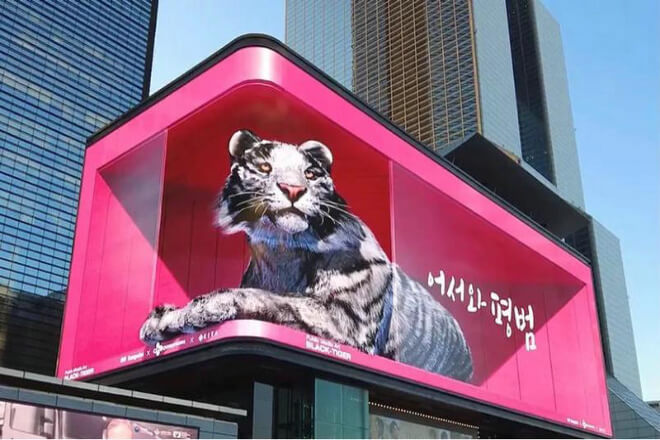
Nighttime tours are no longer about “how good it looks,” but about whether they make people want to stay longer, take a photo, or even participate. LEDディスプレイ act as “interactive triggers” in this context.
First, the design of photo-op content is the most direct attraction. Many tourists don’t come specifically to see the screen, but rather “stop when they see something photogenic.”
For example, displaying city IP animations, festival-themed scenes, or specially designed “photo frames” makes people feel like they’re surrounded by a beautiful image, naturally leading to photos and posts on social media.
Simply put: it’s not about you making them take photos, but about them feeling “this place is worth taking a picture of.”
Secondly, interactive feedback from visitors transforms the screen from a “one-way playback” experience.
Many LED displays now incorporate QR code scanning, voting, and interactive features like live chat, allowing visitors to “influence the content.”
For example, visitors can vote on the “next light and shadow theme” or scan a QR code to upload a blessing, which will then appear on the large screen the next second. Visitors have a direct feeling: “I just participated.”
Thirdly, festive events bring a concentrated surge in interaction. While interactions are usually subtle, during festivals they become “participation for everyone.”
For example, during the Spring Festival, visitors can interact by lighting lanterns; during the Mid-Autumn Festival, they can participate in the changing moon or countdown activities.
With everyone participating in the visual transformation. In these cases, the LED display is not just a display but “part of the event.”
Finally, dwell time is extended by “content changes.” As long as the content changes and interactions occur, people will naturally stay a little longer to see what happens next.
For example, someone who has just finished taking a photo might want to wait for the next round of interaction or see what others have uploaded. This “wait and see” mentality extends the dwell time.
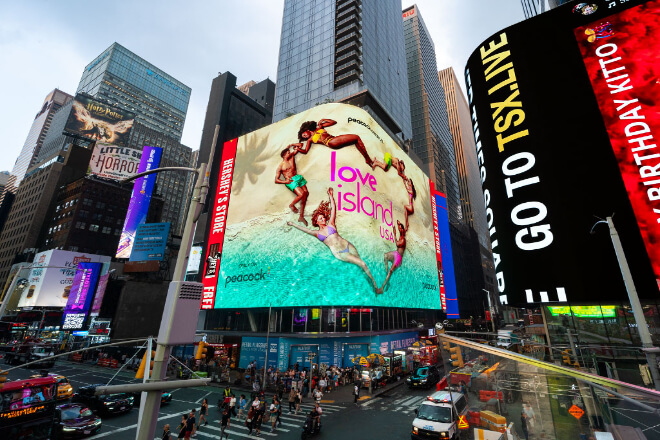
Ultimately, the core of nighttime tourism boils down to one question: once people arrive, how do you get them to linger, explore further, and spend more money? The role of LEDディスプレイ here is to provide that subtle push.
First, the most direct way is to transform a mere glance into a stroll around the area. The screens aren’t just visually appealing; they also guide movement.
For example, if a plaza LED display is showing nighttime event announcements along with notifications like “Nearby markets are open” and “3-minute walk to the food street,” people are more likely to follow the flow of traffic.
Simply put: it’s not hard-sell, but rather, “They just look and walk over.”
Second, the integration with dining and shopping becomes more natural. Many nighttime consumption events are “emotionally driven.” After watching a light show or participating in interactive activities, people are excited, making them more likely to make a purchase.
For example, after watching a light show, an LED display might suggest “Receive a discount at a designated restaurant with your photo” or “Take a photo and check in to redeem a drink.” This conversion is much smoother.
Then, cultural and tourism activities and markets can be “heated up” by LED displays, which can show real-time market popularity and event footage, sparking interest even among those who aren’t participating.
For example, the screen can display in real-time which stall has the longest queue, or it can show ongoing interactive activities, constantly switching between different scenes, encouraging more people to “go check it out.”
Finally, the real key is to transform “crowd flows” into “staying and diversion.” Nighttime consumption isn’t a one-off surge, but a flowing process.
LED displays can guide people at different points: attracting them at the entrance, encouraging them to stop and interact in the middle, and finally guiding them to the consumption area.
For example: after watching the light show in the main square → being guided to the night market → then to the food area → returning to the main square for photos—this completes a commercial loop.


 English
  Español
  简体中文
简体中文  Français
  日本語
日本語  한국어
한국어  العربية