
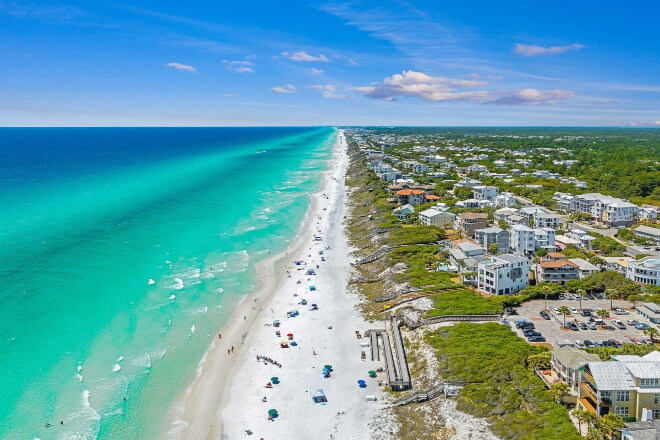
vallas publicitarias led in coastal areas face not only the gaze of passersby but also the “tests” of nature.
Typhoons, torrential rain, and salt spray—each can affect equipment performance.
Therefore, when selecting a billboard, one cannot simply ask, “Is the image bright enough?” One must also ask, “Can it withstand the wind and rain?”
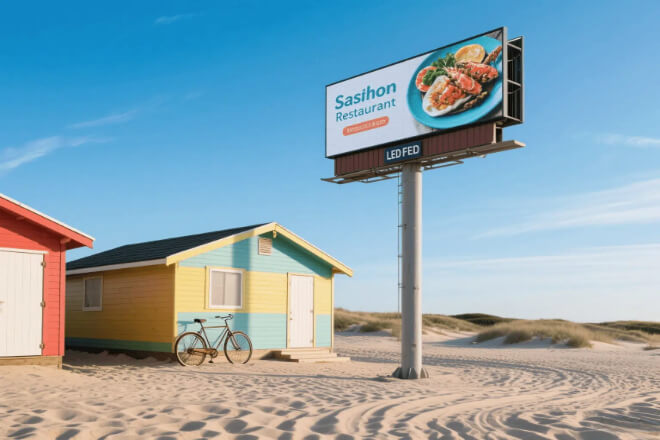
Installing LED displays in coastal areas is often more difficult than simply “installing the screen.”
The real headaches for projects are the persistent “invisible adversaries” of typhoons, high humidity, and salt spray.
First, there are typhoons. During typhoon season, large pantallas led exterior in coastal areas face immense pressure from strong winds, especially large projects such as pillar screens and building-mounted advertising screens.
Which require higher standards for steel structures, fixing methods, and overall wind resistance.
The screen can be large, but the structure cannot be taken for granted.
Second, there is the high-humidity environment.
The high moisture content in the air near the sea can affect the stability of the fuente de alimentación, wiring, and electronic components over long-term operation.
If heat dissipation and moisture protection designs are inadequate, small problems can gradually escalate into major maintenance headaches.
Another easily underestimated factor is salt spray corrosion. Salt from sea breezes adheres to the surfaces of the enclosure, connectors, and metal structures.
Potentially causing corrosion over time, increasing maintenance frequency, and even affecting the equipment’s lifespan.
For example, installing the same outdoor LED advertising screen presents different challenges.
Inland projects may primarily face rain, dust, and temperature fluctuations, while coastal projects face three additional hurdles:
Typhoons test the structure, high humidity tests electronic components, and salt spray specifically tests material durability.
Therefore, coastal LED projects cannot simply apply standard outdoor solutions.
The screen must withstand wind, the structure must resist corrosion, and internal components must adapt to high-humidity environments to truly ensure that “no matter how strong the sea breeze, the screen remains stable online.”
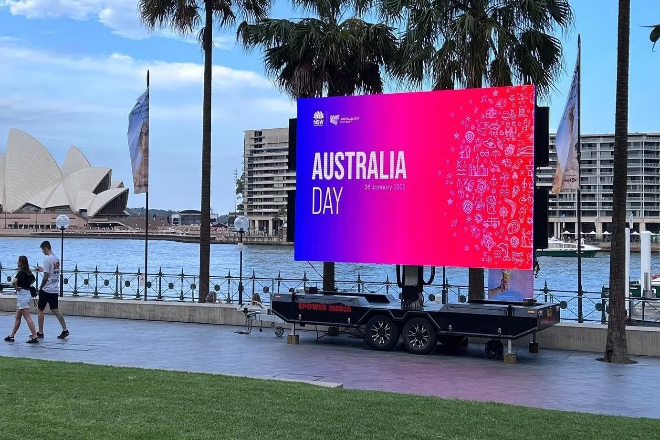
When selecting LED displays for coastal areas, it’s not enough to simply ask “Is it wind-resistant?”
The real focus should be on whether the screen, enclosure, steel structure, and installation method can collectively withstand a typhoon.
First, the impact of wind pressure must be assessed based on the installation height, screen size, and specific location.
The same Pantalla LED installed on a low-rise building and tens of meters high will face completely different wind conditions.
The larger the screen and the higher the location, the more crucial the wind-resistant design becomes.
Among these factors, the load-bearing capacity and wind resistance of the steel structure are paramount.
The structure cannot simply appear “robust”; it requires stress analysis based on the specific project conditions to ensure sufficient long-term stability.
The structure and connection methods of the enclosure must also be reliable to reduce problems such as loosening and deformation under strong winds.
At the same time, the installation plan must comply with local building and safety requirements.
Especially in typhoon-prone coastal areas, wind-resistant design should ideally be planned from the very beginning of the project, rather than being implemented only after a typhoon warning.
For example, a large outdoor advertising screen may seem fine under calm conditions, but a typhoon will truly put the structural design to a severe test.
In short, a typhoon-resistant LED screen is not simply about adding a “windproof buff” to the screen;
It requires the entire structure, from top to bottom, to withstand the test. Typhoons are possible, but LED screens should ideally stand firmly.
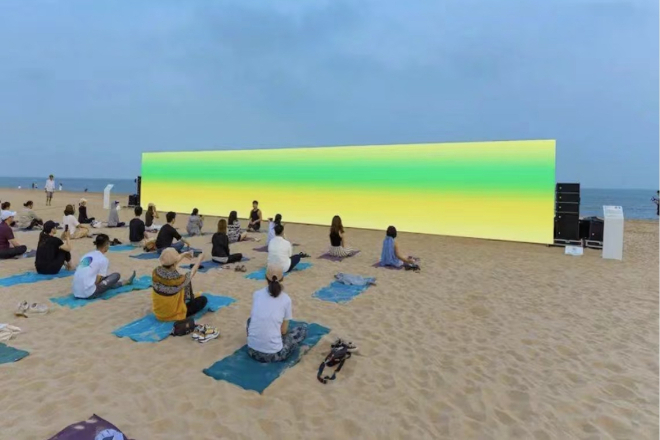
The humidity in coastal areas doesn’t just end after the rain. Moisture in the air may accompany the LED screen year-round, so the effectiveness of moisture protection directly impacts its long-term stable operation.
First, choose a waterproof design suitable for outdoor environments, and ensure the IP protection rating meets actual requirements.
For example, seaside advertising screens need to withstand not only heavy rain but also prolonged high humidity. They can’t just be “rainproof”; they must also prevent moisture from entering.
En segundo lugar, el fuente de alimentación, wiring, and connectors must also be robust.
No matter how good the screen’s outer casing is, if connectors and power interfaces become “entry points” for moisture, corrosion, short circuits, or malfunctions may occur over time.
Therefore, the enclosure seal, wiring methods, and critical connection points all require effective moisture protection.
Furthermore, the sealing structure isn’t something that can be retired once installed. After prolonged exposure to wind, sun, and temperature fluctuations, seals may age.
Requiring regular inspection of seams, waterproof structures, and connecting components to address potential problems promptly.
For example, an LED screen might be in excellent condition upon initial installation, but after a few years, a small gap may appear in a seal, allowing moisture to “sneak in.”
By the time the screen starts flickering or malfunctioning, locating the cause is often much more difficult.
Simply put, moisture protection for coastal LED screens is like taking out a “long-term moisture insurance” policy for the equipment.
It’s not just about protecting against a single downpour, but about preventing moisture from entering every day.
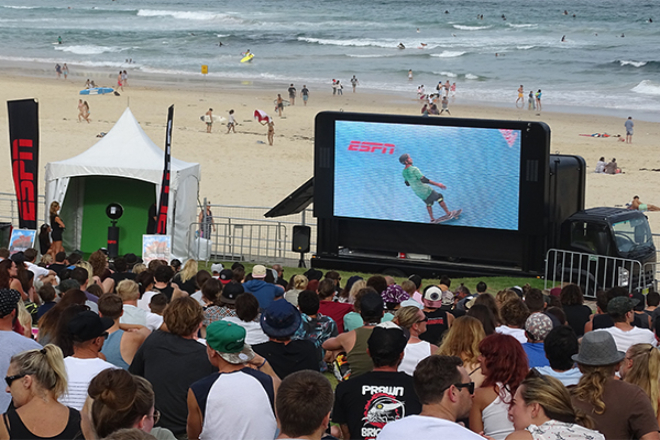
Besides typhoons and humidity, coastal pantallas led face another inconspicuous “chronic adversary”—salt spray.
It doesn’t strike suddenly like a typhoon, but it gradually adheres to the equipment with the sea breeze, potentially causing metal components to slowly rust and corrode over time.
Therefore, corrosion-resistant materials and surface treatment processes should be the primary considerations when selecting equipment.
Especially the enclosure, screws, connectors, and steel structure—these parts, though usually unseen, are the most vulnerable to salt spray.
Insufficient rust prevention means even the highest-definition screen may become a repair issue later.
Regular cleaning and maintenance are also crucial. Salt residue adhering to the equipment surface acts like a long-term membership to the corrosion process.
Timely removal of dust and salt spray residue can reduce the continued corrosion of metal components.
For example, an outdoor advertising screen by the sea may look pristine when first installed, but after prolonged exposure to sea winds, screws, enclosure edges, and connectors may show signs of rust first.
If regular inspections are neglected, repairs will only become more difficult and costly as problems escalate.
In short, salt spray is a slow, insidious enemy. It doesn’t rush to cause LED screen problems, but it stealthily reduces durability every day.
Proactive corrosion prevention and cleaning are essential to ensure the screen withstands the test of time, even at the seaside.
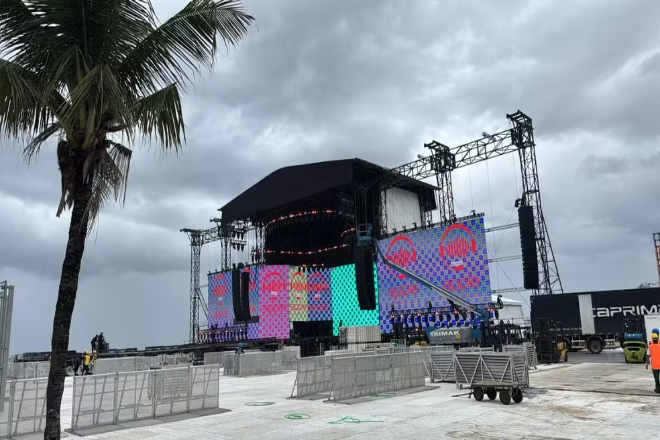
No matter how high-definition the LED screen is, if it suddenly goes black, all the meticulous preparations can instantly turn into a major embarrassment.
Therefore, in addition to the screen itself, the content and control systems must also function flawlessly for any celebration.
First, it’s crucial to confirm that the Pantalla LED can meet the content requirements of the event.
such as playing promotional videos, guest footage, live broadcasts, event countdowns, and interactive content.
Different content has different requirements for signal transmission and processing capabilities; you can’t wait until the event starts to discover, “Why can’t this video play?”
Second, it’s essential to test the signal transmission, playback equipment, and content switching processes before the event.
Especially for large-scale celebrations, cameras, live broadcast equipment, computers, and control systems may be connected simultaneously.
If the signal isn’t properly tested beforehand, delays, stuttering, or even sudden blackouts can easily occur during program transitions.
For example, if the host has just said, “Let’s watch the brand promotional video together,” but the LED screen doesn’t respond after a few seconds, the atmosphere will inevitably feel somewhat awkward.
Testing the playback order, signal lines, and switching processes beforehand can reduce such unexpected situations.
Therefore, a good LED screen solution must not only “display beautifully,” but also ensure stable playback, smooth switching, and uninterrupted operation on-site.
After all, what celebrations need most is applause and cheers, not staff frantically searching for signals at the control panel.


 English
  Español
  简体中文
简体中文  Français
  日本語
日本語  한국어
한국어  العربية