

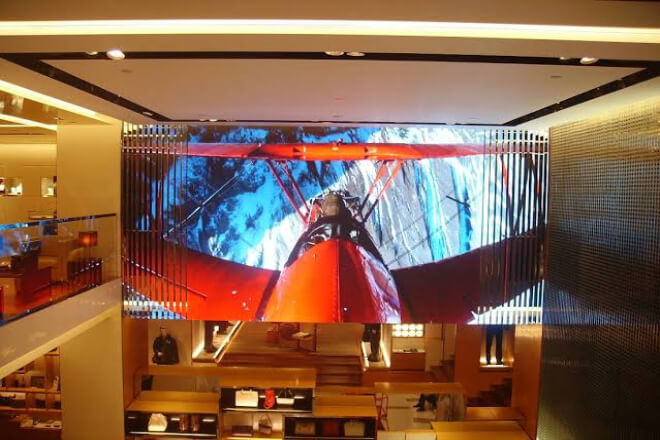
MIP (Micro LED in Package) is a display technology that integrates tiny LED chips into a packaged unit.
Compared with traditional LED packaging methods, MIP uses a different chip transfer and packaging approach and has great application potential in the field of micro-pitch displays.
For the retail industry, displays not only need to present vibrant colors, but also need to provide delicate images within a limited space.
For example, high-end clothing stores need to showcase fabric textures and product details, jewelry stores want to highlight the luster of their products, and car showrooms need to present car designs through high-definition images.
These scenarios have higher requirements for display effects, and MIP LED displays provide a technological direction worth exploring.
Its value is not just about making the screen look clearer, but about helping brands have more possibilities for digital display.
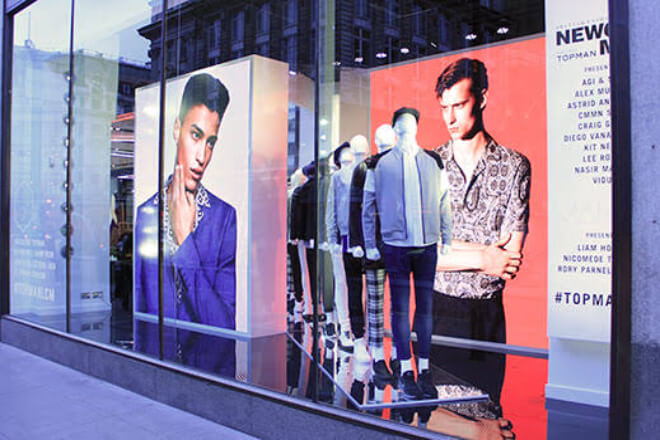
Consumers in retail spaces are often closer to the screen than in outdoor advertising.
Especially in high-end shopping malls, brand flagship stores, and luxury boutiques, the details in the displayed image can easily become crucial to the visual experience.
One of the advantages of MIP LED displays is their ability to support ultra-small pitch displays, providing the technological foundation for high-pixel-density image presentation.
Specifically, it can bring three improvements to retail displays:
Richer product details: High-definition images can present details such as clothing textures, jewelry facets, cosmetic packaging, and car interiors more meticulously.
Superior color performance: Through proper chip selection, color calibration, and display tuning, image color consistency can be improved, making product displays more realistic.
More distinct light and shadow levels: With appropriate surface treatment and display parameters, deeper blacks and richer light and shadow contrasts can be presented, making products stand out more visually.
Imagine a consumer walking into a high-end jewelry store; instead of a simple product image.
The screen displays the details of light refracting through diamonds, the texture of metal surfaces, and dynamic close-ups of product designs.
This display method not only attracts attention but also allows consumers to more intuitively experience the value of the products.
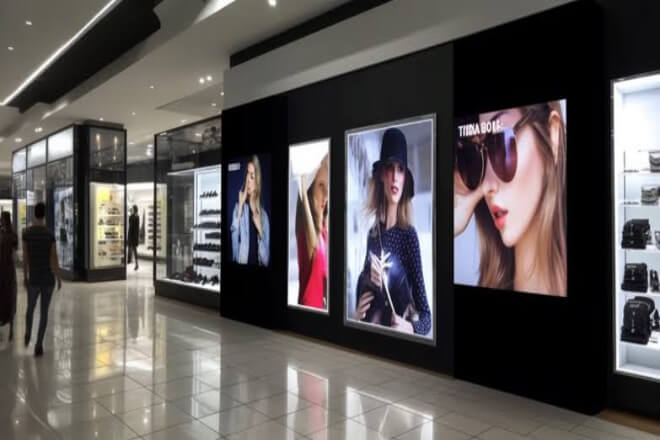
Traditional retail displays often rely on light boxes, posters, and fixed displays.
While these methods are still effective, content updates are not flexible enough, and it’s difficult to continuously bring freshness to consumers.
MIP LED displays, however, offer more creative possibilities for retail spaces.
1) Creating immersive brand displays
In flagship stores or large shopping malls, ultra-high-definition LED displays can be used to create digital backdrops, combining dynamic images, brand stories.
And product promotions, making consumers feel as if they have entered an independent brand world.
2) Creating more attractive window displays
For apparel, jewelry, and beauty brands, window displays are an important entry point for attracting potential consumers.
By displaying dynamic product images, seasonal themes, and new product information through MIP LED displays, window displays can move beyond static displays.
3) Enhancing the visual effects of interactive displays
In car showrooms or technology product stores, high-definition LED screens can be used in conjunction with interactive systems to display product structure, functional demonstrations, and usage scenarios.
Consumers can not only view the products but also learn more through touch or other interactive methods.
It’s important to note that MIP itself is not equivalent to interactive technology; actual interactive experiences require the integration of sensors, control systems, and content software.
From shop windows to brand experience zones, MIP LED displays help retailers transform limited physical space into more flexible digital display areas.
For business decision-makers, while display effectiveness is crucial, procurement costs, maintenance efficiency, and long-term operating expenses cannot be ignored.
MIP LED displays also have noteworthy technical features in this regard.
Firstly, some MIP packaging solutions use independent packaging units, supporting repair or replacement of damaged pixels.
Compared to some packaging structures that require overall processing, this design offers the potential to improve maintenance flexibility and reduce the impact of failures on the entire display area.
Secondly, some MIP products incorporate technologies such as flip-chip and common cathode, which help improve heat dissipation and energy efficiency.
However, actual power consumption still depends on screen brightness, displayed content, driver scheme, and usage environment; energy-saving effects cannot be judged solely based on the MIP technology name.
Furthermore, retail stores typically require display equipment to operate for extended periods.
If the display can maintain stable color performance and operational status, it helps reduce the disruption to daily operations caused by frequent maintenance.
Of course, businesses shouldn’t just focus on technical specifications.
Before purchasing, they should understand the product’s maintenance procedures, spare parts supply, warranty policy, and actual operating power consumption.
After all, a display not only needs to be stunning on opening day but also withstand the test of long-term operation.
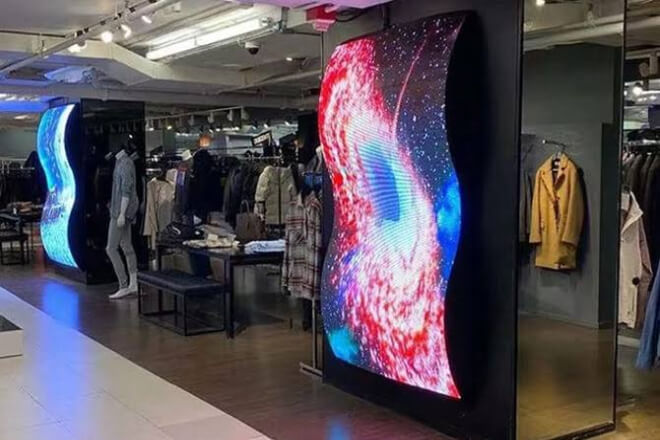
While MIP LED displays offer numerous technological advantages, this doesn’t mean all retail spaces need this solution.
For business decision-makers, the truly important thing is to match the technology with business needs.
Before purchasing, it’s recommended to focus on the following aspects:


 English
 Español
 简体中文
 Français
 日本語
 한국어
 العربية