
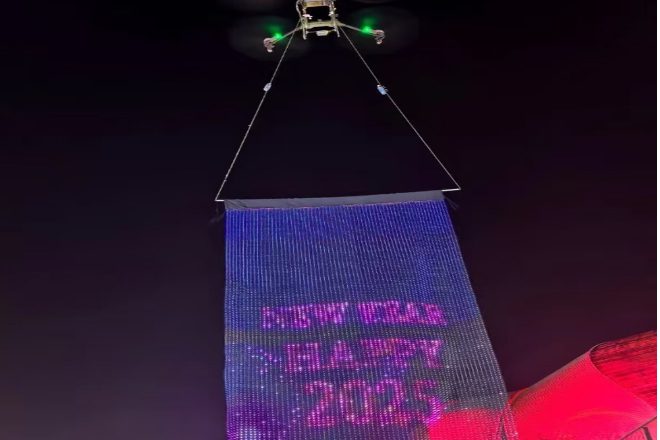
The name “Flying Magic Carpet” itself evokes a vivid image—like a digital carpet floating in the air—making it a natural “star” in the atrium.
Placed in a commercial complex, its role isn’t simply to display content, but to transform the entire atrium into a luminous stage.
First, it creates a stunning visual landmark, compelling people to look up as soon as they enter the mall.
For example, a super-long LED “magic carpet” can be suspended above the atrium, displaying flowing clouds, starry skies, and ocean waves.
The customer’s first reaction is usually: “Wow, what is that?” For example, someone might have come just to buy a coffee, but ended up standing in the atrium filming a 5-minute video.
Secondly, it attracts customers to stop and take photos, turning “passing by” into “staying.”
An ordinary atrium might just be a place people rush through, but with the Flying Magic Carpet, many will naturally stop to look up.
Even specifically seeking out angles for photos. Simply put, it has a built-in “crowd-slowing” effect.
Simultaneously, it enhances the reach of mall events, making them more likely to “go viral.”
For example, new product launches, holiday themes, and brand pop-ups can all have their content projected directly onto the “aerial screen.”
Viewers can then take photos and share them on social media, effectively giving the mall a boost in publicity.
Finally, it enhances the commercial value of the space, turning the atrium from “empty” to “profitable.”
Previously, the atrium was just a public space; now, with the Flying Magic Carpet, it can be used for brand advertising, event collaborations, festive visual packaging, and even become a “bonus” for attracting tenants.
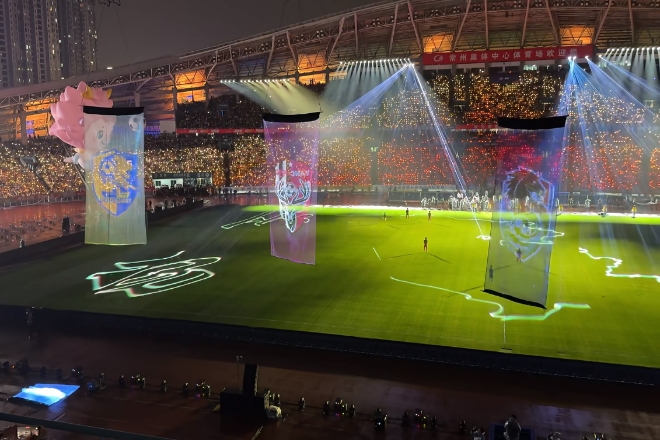
Cultural tourism projects are now focusing not only on the “scenery,” but also on whether they can make tourists exclaim, “This is worth taking a picture!”
The biggest benefit of placing the Flying Magic Carpet LED display in scenic areas is transforming “looking up” into an immersive experience.
First, create an immersive cultural tourism experience, making visitors feel like they’ve “stepped into a story.”
For example, a flying magic carpet screen can be suspended above the scenic area’s walkways, displaying flowing starry skies, forest light and shadow effects.
And an underwater world. Walking beneath it, visitors will feel as if “the sky is changing with you.”
For instance, what was originally just walking to the next attraction can transform into a “fantasy aerial passage.”
Second, enhance interactivity by incorporating IP content, allowing scenic area characters to “fly above visitors’ heads.”
For example, if the scenic area has its own IP characters, cartoon characters, mythological figures, and animal figures can “fly” or “interact” on the screen.
Simply put, children will watch intently, adults will take out their phones to take pictures, and the interactive experience is instantly created.
Simultaneously, strengthen the scenic area’s appeal at night, making it “more worthwhile to visit at night than during the day.”
Nighttime attractions need atmosphere, and the flying magic carpet is naturally suited to be an “aerial highlight.”
For example, a light show combined with LED content can instantly transform the entire nighttime space from “a bit dark” to “a bit dreamy.”
Finally, increase visitor dwell time, encouraging them to stay longer. Previously, visitors might have simply walked past, but now they stop, look up, take photos, and post on social media.
For example, a planned 2-minute stay often results in many people standing for 10 minutes, waiting for the next presentation.
What’s the biggest fear in exhibition spaces? People are moving too quickly; before they’ve even finished viewing the content, they’ve already moved on to the next booth.
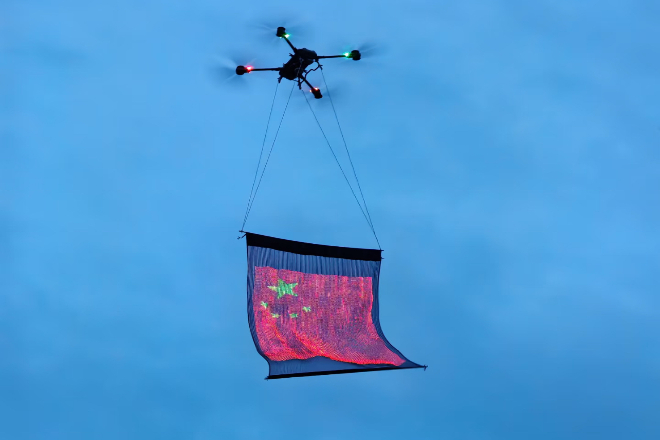
The Flying Magic Carpet LED display aims to “keep” people engaged—because it’s inherently difficult to ignore.
First, it creates an innovative display method, allowing content to “fly” from the “walls” to the “air.”
Traditional 전시회 content is mostly displayed on walls or the floor, while the Flying Magic Carpet elevates the display dimension, creating “overhead content.”
For example, walking into an exhibition hall and looking up to see the brand story unfolding slowly in the air is a much more engaging experience than simply viewing a display panel.
Second, it enhances the expressiveness of brand content, giving information a greater sense of “space.”
For instance, car brands can display vehicle trajectories overhead, while technology brands can have data streams “floating” in the air.
Simply put, content is no longer just “displayed,” but “flows within the space.”
Simultaneously, it enhances the technological feel of the exhibition hall, directly upgrading the overall atmosphere of the booth.
Sometimes the content of booths is similar, but whoever looks more “futuristic” is more likely to attract attention.
The moment the Flying Magic Carpet is hung up, even before any content is played, the sense of technology is already there.
Finally, it creates a differentiated visual experience, making it easier for visitors to remember you. After a day at an exhibition, many booths may become blurry in memory, but visitors will usually remember:
“There was a booth with a large, moving screen hanging in the sky, pretty cool.” – That’s differentiation.
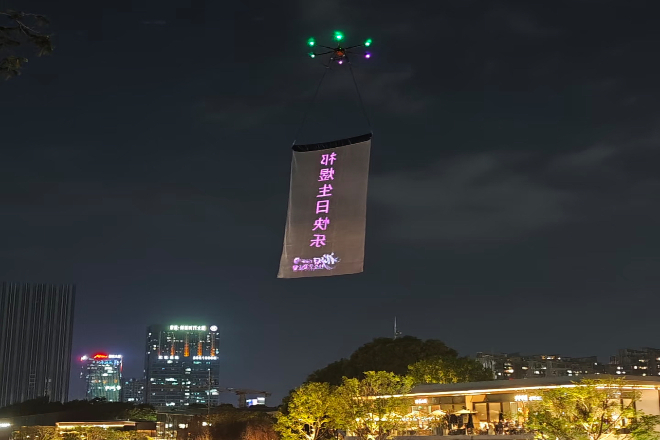
The most important thing about themed entertainment projects isn’t “how advanced the equipment is.”
But whether it can immerse people in the experience, allow them to take photos, and share them online.
The Flying Magic Carpet LED display is perfectly suited for this – because it naturally has a “magical” feel.
First, it adapts to immersive entertainment spaces, allowing “the ceiling to join the performance.”
For example, in escape rooms, theme parks, and immersive theaters, the Flying Magic Carpet can display changes in the sky, story scenes, and special effects animations overhead.
For example, imagine walking into a “cosmic-themed space” and looking up to see a real “flowing galaxy” overhead—the immersive experience is instantly enhanced.
Secondly, it enhances the interactive experience and sense of participation, transforming the audience from “watching” to “playing.”
For instance, as visitors move to a designated area, the screen above their heads changes accordingly: stepping on the floor causes the sky to “crack open.”
Waving a hand causes the clouds to “disperse.” Simply put, it feels like you’re “controlling the sky.”
Simultaneously, it increases the fun factor, making the experience more “wow.”
Many entertainment projects have good content but lack surprises; the flying magic carpet easily creates such moments.
For example, if a whale suddenly “swam” overhead, the first reaction is usually: “Don’t say anything, take a picture first.”
Finally, it creates “Instagrammable spots,” encouraging visitors to actively share the story.
Many entertainment projects become popular not through advertising, but through short videos from visitors.
The flying magic carpet’s advantage is that it’s inherently photogenic. For example, someone poses below, and the dynamic image above provides instant material for social media.
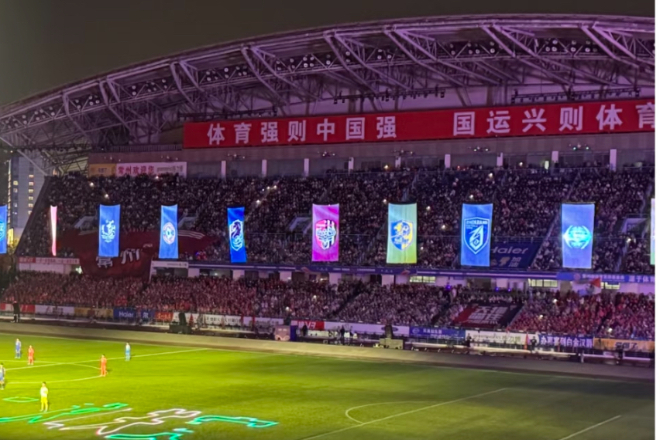
Large-scale events and launch events ultimately boil down to one question: “Is the opening second stunning enough?”
The advantage of the Flying Magic Carpet LED display is that it elevates the 단계 beyond the ground, bringing the visual experience directly “into the air.”
First, it creates a breathtaking stage visual effect, making the audience exclaim “Wow!” as soon as they enter. For example, at a launch event, a whole flying magic carpet slowly lights up overhead.
From the starry sky to the brand logo, and then to the new product display, the entire space is instantly “enveloped.”
For instance, before people even sit down, they’re already taking out their phones to film.
Second, it enhances the event’s reach and influence, making the content more easily shareable.
We’ve all seen ordinary stages, but a “moving screen overhead” is naturally more eye-catching.
When audience members film videos, the camera will unconsciously include the flying magic carpet, essentially making the event itself a source of viral content.
Simultaneously, it strengthens the brand’s visual expression, allowing the brand story to “descend from the sky.” For example, at car launches, the silhouette of the vehicle can “drive” overhead.
Technology brands can unleash data streams from the air. Simply put, the brand isn’t just telling a story, but “performing” one.
Finally, it enhances the sense of ceremony, making key moments even more “highlights.”
New product unveilings, guest appearances, countdown starts—these moments, combined with the dynamic content of the flying magic carpet, instantly ignite the atmosphere.
For example, when counting down “3, 2, 1,” the entire overhead screen changes simultaneously—the feeling is far more impactful than a simple ground screen.


 English
  Español
  简体中文
简体中文  Français
  日本語
日本語  한국어
한국어  العربية