
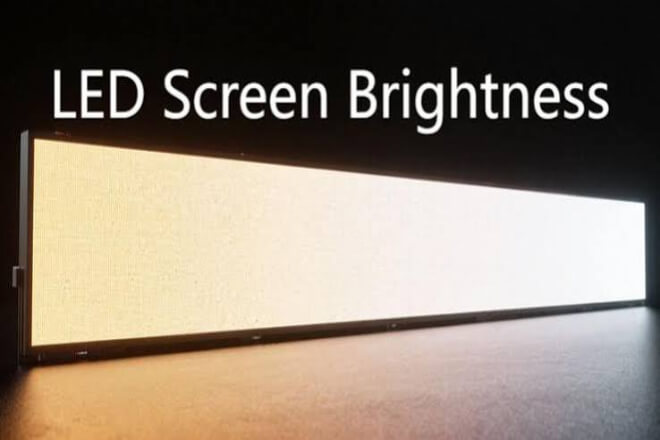
Why do some LED displays appear clear during the day but become blindingly bright at night?
And why do some screens, despite seemingly good specifications, always appear hazy and dull after installation?
The problem likely lies in the brightness selection. Brighter isn’t always better for LED displays; the key is matching the screen brightness to the installation environment.

When selecting an LED display screen, many purchasing personnel focus on pixel pitch, refresh rate, and resolution, but brightness is equally important.
LED display brightness is typically measured in nits, or candelas per square meter. A higher value indicates stronger light emission from the screen.
However, high brightness doesn’t necessarily mean a better viewing experience.
Imagine entering a softly lit conference room at night, and suddenly someone turns on a very bright LED display screen—it’s like suddenly turning on high beams in the dark. Even if the image is very clear, prolonged viewing can be uncomfortable.
Conversely, if an outdoor advertising screen is insufficiently bright, it will be as unreadable in sunlight as a phone screen illuminated by the sun; even the most captivating advertisements will struggle to attract passersby’s attention.
Therefore, when choosing the brightness of an LED display screen, three factors must be considered:
First, how strong is the ambient light?
Indoor lighting, natural light from windows, and outdoor sunlight all affect the actual viewing experience.
Second, from what distance do viewers typically view the screen?
When viewing at close range, attention should be paid to image detail and visual comfort; when viewing at a distance, sufficient visibility is crucial.
Third, when will the screen operate?
If the LED display screen operates from morning until late at night, brightness variations throughout the day must be considered, rather than maintaining maximum brightness continuously.
For corporate purchasing managers, the most sensible approach is not to directly seek the brightest product。
But rather to first understand the installation environment and then determine the required brightness range.

The lighting conditions in different installation environments vary significantly; therefore, the brightness selection for LED displays cannot be generalized.
The following values can serve as a reference for initial project selection. Actual adjustments will need to be made based on site lighting, screen orientation, and viewing distance.
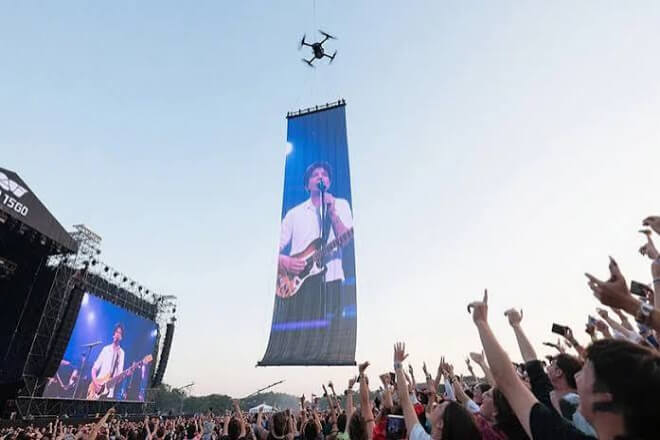
Many companies make a common mistake when purchasing: they assume that all indoor LED displays can use the same brightness configuration.
In reality, the lighting conditions in conference rooms, shopping malls, and exhibition spaces are completely different.
1) Conference rooms:
Conference rooms typically need to display text, charts, videos, and remote conference footage.
If the screen operates at very high brightness for extended periods, it can cause visual fatigue for attendees.
Therefore, it is recommended to focus on brightness adjustment capabilities, grayscale performance at low brightness, and color stability.
2) Shopping malls:
The environment in shopping malls varies significantly.
In the morning, there may be a large amount of sunlight entering through the glass curtain walls, while at night, indoor lighting is the primary source of light.
If the LED display screen needs to play advertisements all day, a product with sufficient brightness margin and automatic adjustment support should be selected.
3) Exhibition halls and museums:
Exhibition spaces are not necessarily better the brighter they are.
For example, a technology exhibition hall may need to display bright, vibrant dynamic images on an LED display screen, while an art exhibition may prefer to create a softer, immersive visual atmosphere.
Playing all content at maximum brightness may actually disrupt the space design.
4) Live broadcast studios:
When using LED displays in studios, the visual experience of the audience cannot be considered in isolation.
When shooting with cameras, the coordination between refresh rate, grayscale, color, and screen brightness also needs to be considered.
For example, if the background screen is too bright, it may affect the exposure of the subjects and the overall color performance.
Therefore, it is best to conduct actual shooting tests before formal procurement for such projects.
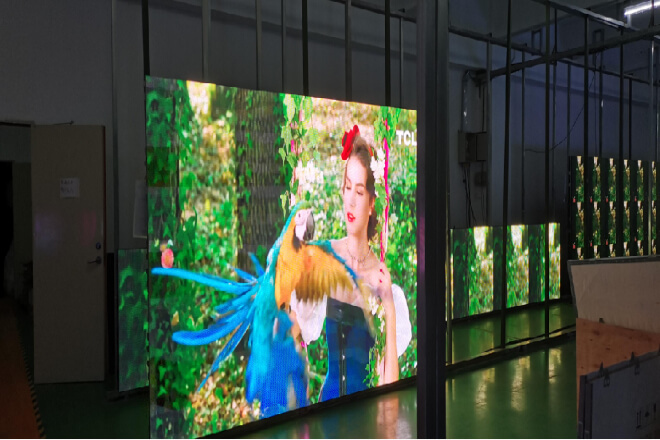
This is a crucial question to discuss when purchasing LED displays.
Some companies believe that since high brightness makes the image more eye-catching, they can simply choose the product with the highest brightness.
However, the reality is not so simple.
1) Affects viewing comfort
In dimly lit indoor environments, if the LED display is too bright, the image may appear glaring.
Especially in places like conference rooms and control centers where long hours are required, excessive light will reduce viewing comfort.
2) Increases power consumption
The actual power consumption of an LED display is affected by factors such as brightness, displayed content, and driver design.
Generally, operating at high brightness for extended periods increases the device’s power consumption.
For large-area commercial display projects, long-term operating costs cannot be ignored.
3) Increases heat dissipation pressure
LED displays generate heat during operation. If the equipment is constantly operating at high output, the power supply, driver, and cooling system will all bear a greater workload.
Therefore, choosing an appropriate brightness not only helps improve the viewing experience but also helps control the operating burden on the equipment.
4) Nighttime illumination may cause light interference
Outdoor LED advertising screens need to be sufficiently bright during the day, but at night, the surrounding ambient light decreases significantly.
If the screen maintains its daytime brightness, it may cause visual disturbance to nearby residents, drivers, and other pedestrians.
Therefore, outdoor LED displays should ideally be equipped with ambient light sensors to automatically adjust brightness according to changes in light levels during the day, dusk, and night.
A truly good LED display should not operate at maximum brightness 24 hours a day, but rather be able to flexibly adapt to the environment.
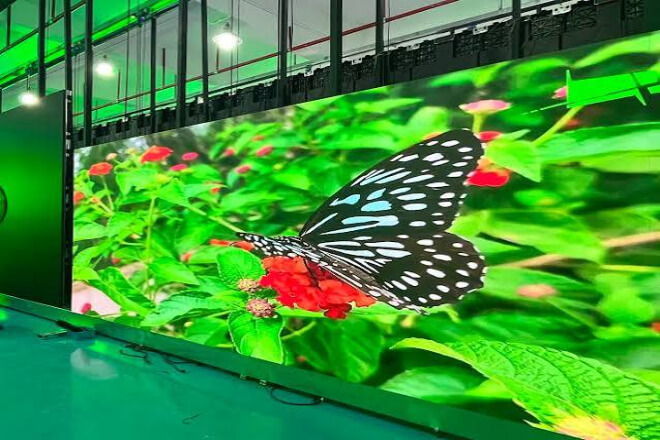
After understanding the brightness requirements of different environments, businesses need to translate this knowledge into practical purchasing standards.
Especially for large commercial display projects, if brightness planning is not done well in the early stages, adjustments later may incur additional costs.
Step 1: Observe the screen installation location
Don’t just judge the environment based on drawings.
It’s best to observe the actual installation site to confirm whether the screen is near glass windows, whether there are building obstructions.
Whether it will be exposed to direct sunlight, and whether there are strong reflective surfaces nearby.
For example, even for indoor LED screens in shopping malls, the actual brightness requirements can differ significantly depending on whether they are installed in a central corridor or next to a glass curtain wall.
Step 2: Determine the primary viewing time
If the screen mainly operates during the day, the impact of natural light needs to be carefully considered.
If it needs to operate all day, nighttime brightness adjustment capabilities must also be considered.
For outdoor advertising projects, it is recommended to clearly define daytime and nighttime brightness control plans.
Step 3: Determine brightness based on screen content
Different content has different requirements for display quality.
When displaying text, maps, and data, clarity of information is crucial; when playing advertising videos and dynamic visual content, color performance and overall image quality need to be considered.
Do not judge screen performance based solely on a high-brightness test image; it is best to have the supplier play actual project content.
Step 4: Check brightness adjustment and automatic control functions
A mature LED display system should be able to adjust brightness according to different usage needs.
For outdoor projects, it is recommended to configure an ambient light sensor to achieve automatic brightness adjustment.
For indoor projects, attention should be paid to whether good grayscale and color performance can be maintained even when operating at low brightness.
Step 5: Request actual testing from suppliers
Before purchasing, request samples or on-site testing from suppliers.
Key Observations:
- Is the image clear at different brightness levels?
- Are white and gray images natural?
- Is there noticeable color unevenness at low brightness?
- Is it still easy to view in sunlight during the day?
- Is it still comfortable to watch at night after reducing brightness?
Finally, a comprehensive comparison should be made considering product power consumption, heat dissipation, warranty, and after-sales service.
For businesses, suitable LED display brightness is not just a parameter, but a comprehensive choice related to display effect, operating costs, and long-term user experience.


 English
 Español
 简体中文
 Français
 日本語
 한국어
 العربية