
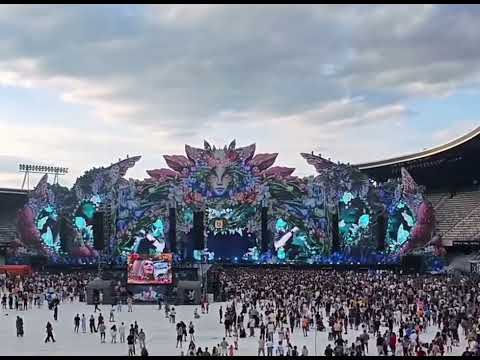
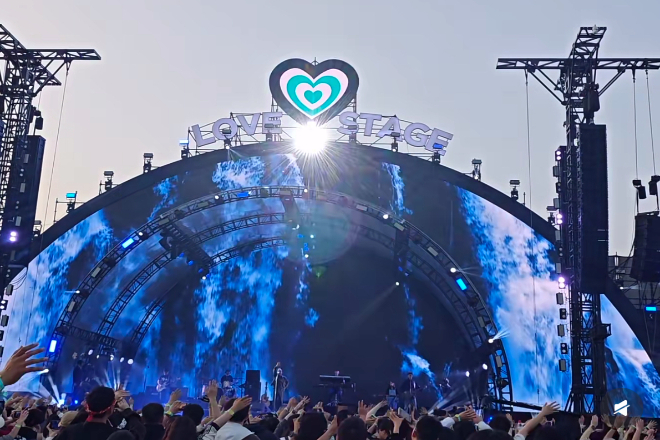
After an event, audiences may not remember all the events, but they often remember the moments that elicited their “wow.”
A stunning visual experience is crucial for creating these moments. The addition of LED displays transforms the event venue from a mere stage into a constantly evolving visual space.
For example, at a concert, a 巨大なLEDスクリーン can simultaneously display performance details, ステージ effects, and themed visuals, providing a better viewing experience even for those in the back rows.
In new product launches, LED screens can showcase design concepts and core selling points through high-definition product videos and animations, making the launch more impactful.
Besides enhancing the viewing experience, LED displays can also help create a unique atmosphere for the event.
At the opening, brand promotional videos can be played to attract attention; during the event, different visual effects can be switched according to the program content;
During interactive segments, live footage can be displayed, making the audience feel like they are not just “sitting and watching,” but participating.
Compared to traditional backdrop setups, the biggest advantage of LED screens is their flexibility.
The same stage can present completely different feelings depending on the content. Music festivals can create a vibrant visual scene, corporate events can present a professional.
And sophisticated brand image, and sporting events can display scores and exciting moments in real time.
For events, LED displays are not just part of the stage backdrop, but more like an “amplifier” of the atmosphere.
They make the visuals more impactful, the interaction more natural, and the audience more likely to have a lasting impression.
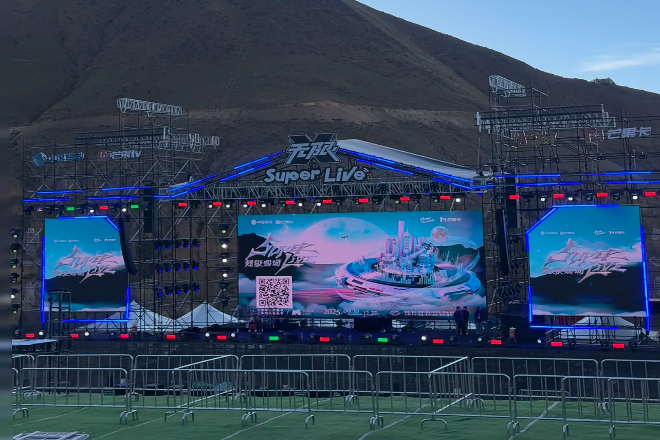
Large events have a very real problem: not everyone can sit in the front row.
For events like concerts, sporting events, and press conferences, with a large audience, those in the back rows and those in distant areas can easily experience difficulty seeing clearly.
Even if people are present, if they can only see a blurry outline of the ステージ, the experience is naturally diminished.
The value of LED displays lies in bringing the live experience closer.
Through large-screen, high-definition displays, LED screens can simultaneously showcase stage details, guest close-ups, product demonstrations.
And event information, allowing distant audiences to clearly understand everything happening on-site.
For example, at concerts, back-row viewers can see singers’ expressions, dance moves, and stage effects through LEDスクリーン, as if having a closer viewing perspective.
で スポーツ stadiums, LED screens can display real-time scores, highlight reels, and athlete data, ensuring that audiences, even those far from the field, don’t miss key moments.
At large corporate events and new product launches, LED displays also enhance information delivery.
Product details, demonstration videos, and brand content can all be clearly presented on large screens, preventing audiences from missing important information due to distance.
More importantly, LED screens provide a more consistent experience for the entire audience.
Whether seated in the front row, the middle section, or the back of the venue, everyone can see the same exciting visuals, rather than only those near the stage enjoying the best effect.
For large events, LED displays are not just about “enlarging the image,” but also about shortening the distance between the audience and the event.
They allow more people to see clearly and keep up, making every seat more engaging.
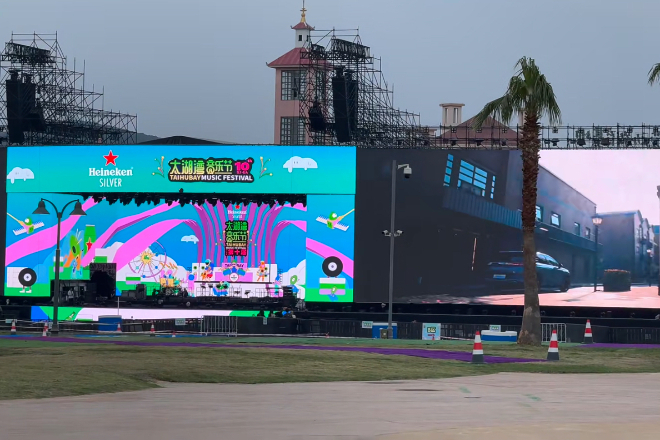
The true brilliance of an event often lies not in a single moment, but in the seamless experience provided throughout the entire process.
The opening needs to build anticipation, guest appearances need to highlight their status, new product launches need to showcase key features, and interactive segments need to respond promptly to changes in the event.
If the background visuals remain unchanged, even the most exciting event can lose its sense of immersion.
The advantage of LEDディスプレイ lies in their ability to adapt to the rhythm of the event.
For example, at a concert, one second it might display close-ups of the singer and stage effects.
And the next it could switch to dynamic visuals that match the song’s theme, keeping the audience constantly engaged.
At a new product launch, the LED screen can display brand videos, product details, and feature demonstrations according to the flow of the event, making the content clearer.
For sporting events, real-time updates are even more crucial.
During a match, the LED screen can simultaneously update scores, player information, highlight reels.
And interactive content, allowing the audience to not only “watch the game” but also participate more deeply.
Besides pre-planned content, LED displays can also handle unexpected changes on-site.
Adding guest introductions, adjusting event segments, and showcasing audience interaction content can all be done quickly and seamlessly, without affecting the on-site effect due to changes in the flow.
Compared to traditional backdrops that can only display fixed images, LED displays are more like a “digital ステージ” that can be adjusted at any time.
For events, the value of LED displays is not just about enriching the visuals, but about making the entire event more flexible.
When content can change with the rhythm, the event experience becomes more natural and exciting.
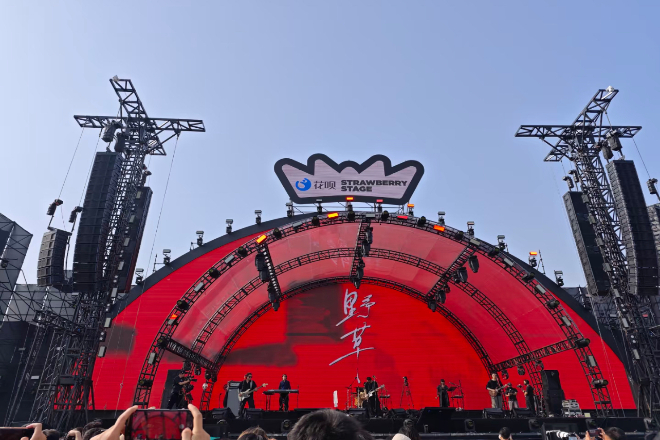
At a large event, audiences remember more than just the competition results, stage performances, or the atmosphere; sometimes, a recurring brand image can also subtly leave an impression.
For sponsors and partner brands, the event venue is a rare opportunity for high-profile exposure. LED displays allow brand information to not just “appear,” but to be truly seen.
For example, in sporting events, LEDスクリーン can display sponsor logos, brand slogans, and promotional content, continuously appearing as the game progresses;
At concerts or press conferences, brand videos and product images can be played on large screens, allowing the brand to blend naturally with the event atmosphere.
Compared to traditional banners or static advertisements, LED displays are more likely to attract audience attention.
Dynamic visuals, high-definition effects, and wide coverage give brand displays a stronger presence.
Viewers may not consciously remember a poster, but a captivating dynamic image is often more likely to remain in their minds.
Moreover, the value brought by LED screens doesn’t immediately disappear after the event.
Videos taken by on-site attendees, photos shared on social media, and event footage in media reports can all further boost brand exposure, extending the reach of a single on-site display.
For example, in large-scale sporting events, visual content created by brands using LED screens often spreads along with exciting moments of the game, further expanding their influence.
For brands, LED displays are not just about “occupying a spot” at the event; they are about creating more opportunities to be seen, remembered, and shared.
A single on-site exposure can become part of long-term brand influence.
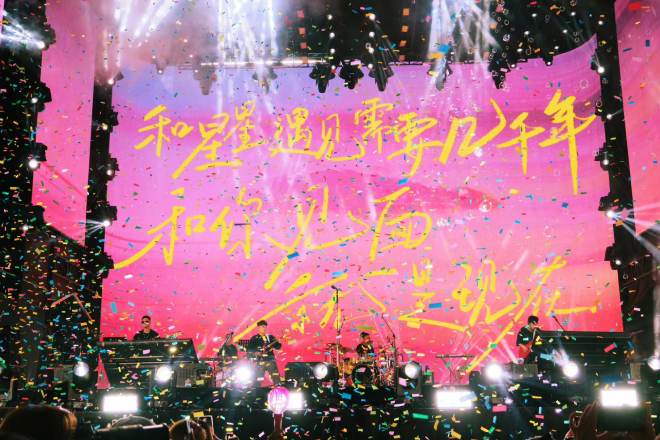
The biggest characteristic of large-scale events is their rapid changes.
Today it might be a concert, and a few days later it could be an exhibition, a sporting event, or a brand event.
Different projects have different requirements for stage size, on-site layout, and visual content. If the equipment is not flexible enough, it will be difficult to meet these changes.
The modular design of LEDディスプレイ allows them to better adapt to various event needs.
For example, in touring projects, LED screens need to travel with the team to different cities, requiring rapid transportation, installation, and dismantling.
で 展示会, screen size and placement can be adjusted according to booth size.
At sporting events, different display layouts can be created based on the venue’s structure.
Compared to fixed large screens, rented LED displays emphasize “adaptability to project changes.”
For larger events, they can be combined to create more impressive, ultra-large screens; for limited spaces, they can be adjusted to a size more suitable for the space.
Suitable applications can be found in both indoor exhibition halls and outdoor event venues.
Besides flexible installation, rapid setup is also crucial for large-scale events.
Event schedules are usually tight, leaving little time for on-site equipment testing.
An efficient installation structure helps teams shorten preparation time, allowing the event to begin smoothly as planned.
For large-scale events, the value of LED displays lies not only in presenting spectacular images but also in their ability to move and change with the event.
Flexible design allows a single screen to serve different cities, different scenarios, and different types of projects.


 English
  Español
  简体中文
简体中文  Français
  日本語
日本語  한국어
한국어  العربية