How to Enhance Event Visibility and Social Impact with LED Displays?

序章

At today’s events, people aren’t just there to “attend,” they’re there to “check in.”

The impact of an event often depends less on the number of attendees and more on how many people are willing to take photos, share them, and actively spread the word.

LEDディスプレイ are evolving from simple visual backgrounds into amplifiers of event promotion.

目次

Method 1: Create Highly Recognizable LED Main Visual Check-in Points

At large events, it’s a waste for LED displays to simply “obediently display content.”

The truly smart approach is to transform them into eye-catching main visual check-in points—making people stop to take photos at a glance and remember the brand.

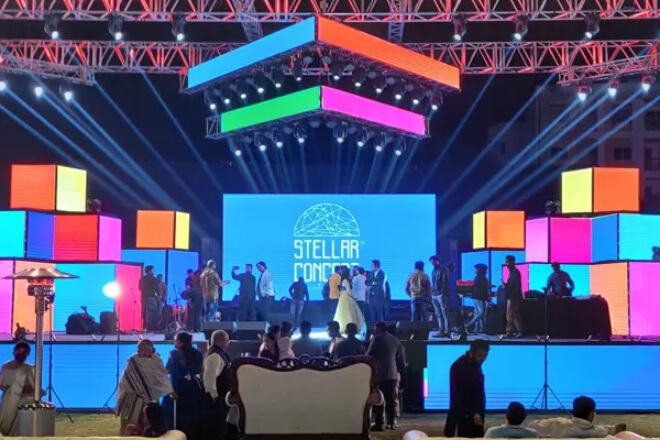
Key locations are typically at the event entrance, main ステージ, and core interactive areas.

The entrance creates the first impression, the main stage creates a focused atmosphere, and the core areas determine how long attendees stay.

Placing LED screens in these locations is like installing a “center stage magnet” for the event, ensuring no one walks by unnoticed.

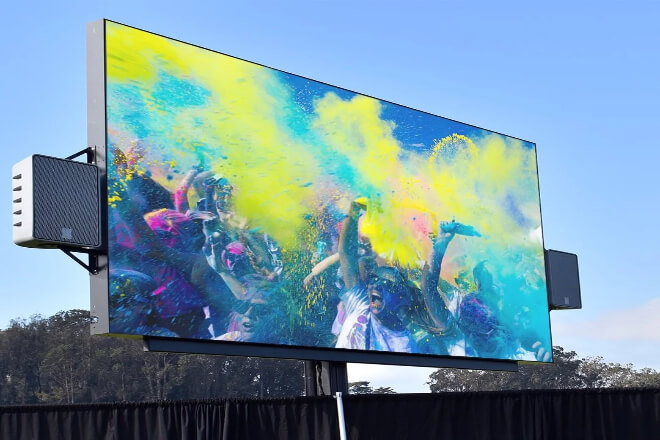
The combination of large size, high 輝度, and dynamic content is incredibly powerful. From the very beginning, the flashing screen.

And dynamic animations immediately grab the audience’s attention—it’s like a giant “magnet,” compelling them to stop and capture the moment with their phones.

Even better, this design reinforces the event theme and brand memorability. Audiences might forget the promotional slogans, but they’ll never forget the “stunning, sci-fi-like” LED screen.

Take a photo and share it, and it instantly spreads on social media, naturally disseminating the brand information—no need for any prompting, the audience themselves become mini-promoters.

Simply put: the LED main visual screen isn’t a backdrop; it’s the most eye-catching “star” of the event.

Its role is to make you think, “Wow, I have to take a picture here!” the moment you enter, and then you automatically check in for the brand.

Method 2: Utilizing Creative Dynamic Content to Enhance the Desire to Take Photos and Share

At the event, if the LED表示 simply shows a static poster, many people might only glance at it politely as they pass by and continue on their way.

What truly makes people stop, pull out their phones, and even meticulously find the perfect angle to take three photos is often creative, dynamic content that moves, flashes, and is exceptionally photogenic.

Dynamic visuals are inherently more appealing than static backgrounds.

For example, at the entrance to a brand launch event, a large LED screen displays constantly changing light and shadow animations, and the brand logo slowly unfolds.

Or visual effects that flow like a starry sky, making people subconsciously think, “This background would look amazing.” So, someone who was just passing by ends up posing for a selfie.

Visual content with a strong sense of rhythm is also particularly photogenic. At music festivals, LED screens combined with rhythmically flashing lights, wave-like animations.

And even graphic effects that change with the music create photos and videos with a particularly atmospheric feel.

Even a casual snapshot gives the feeling of “I feel like I’m on a movie set.” Posting it on social media makes it easier to get likes.

Furthermore, the immersive experience of the entire space is enhanced by the interplay of lighting and animation.

For example, at a car launch event, a large screen simulates a city nightscape, with lights gradually advancing as the new car is unveiled, allowing attendees to take photos.

It’s like attending a movie premiere. The photos not only record the event but also conveniently capture the brand’s premium image.

The brilliance of this design lies in the audience’s proactive sharing. Brands don’t need to chase after people saying, “Please share this on your WeChat Moments,” because people will say, “Wait, this is perfect for taking photos!”

Method 3: Enhance Engagement with Interactive LED Content

At an event, the worst thing isn’t a lack of people, but rather that everyone is just “passing by.”

In this case, if the LED screen only displays content in one direction, it’s like the host talking nonstop while no one responds.

What truly creates a lively atmosphere is interactive LED content—transforming the audience from “watching the event” to “participating in the event.”

For example, real-time live comments, message walls, and interactive polls are the most common and effective methods.

Audience members scan a QR code and send a message, which immediately appears on the LED screen.

The feeling is magical—one second you’re invisible in the crowd, the next your name is prominently displayed, giving you a sudden sense of “I’m the star!”

Activities like the “confession wall” at music festivals, the “live voting interaction” at brand launches, and the real-time “Which new product do you like best?” selection at 展示会 all naturally encourage participation.

People who were initially just taking a photo and leaving often linger for a few more minutes when they see their name on the screen, even urging friends to participate: “Quick, quick, you post one too!”

This sense of participation is crucial because it elevates the event from a “photo check-in” to “I was actually there.”

Photos are just records, but interaction creates a stronger memory. Audiences don’t just see the brand; they form a genuine connection with it.

Furthermore, interactive content significantly increases event activity and dwell time.

Once people participate, the space is no longer just a backdrop but a continuously evolving environment.

The more vibrant the screen, the more willing people are to stay, and the better the atmosphere naturally becomes.

Method 4: Create a Full-Event Communication Path Through Multi-Point Layout

If an event only has a large screen on the main stage, it’s sometimes like a party where only the host is trying to liven things up—people watch the excitement, then leave.

A truly smarter approach is to distribute LED displays in key locations such as the entrance, ステージ, aisles, and rest areas, turning the entire event into a complete “check-in route.”

The large screen at the entrance is responsible for the first impression; its function is simple: to keep people there.

The first thing audiences see upon arrival is most likely to form a lasting impression.

A visually impactful LED main screen often makes people subconsciously stop: “This place is nice, let’s take a picture.” The brand’s first impression is established at this moment.

The large screen in the stage area is, of course, the core, responsible for maximizing the event’s atmosphere.

New product launches, interactive performances, and brand displays—the most important content is all done here.

It’s like the one who best controls the flow of the entire event, determining whether people will exclaim, “Wow, this event is amazing!”

The screens in the passageways and rest areas, while seemingly understated, are actually quite adept at subtly making their presence felt.

People are most easily drawn to content when waiting for friends, queuing, or resting.

Showing interactive content, brand short films, or lighthearted dynamic visuals prevents viewers from feeling like they’re watching an advertisement; instead, they’re more readily accepted.

This way, the brand message doesn’t just appear once, but accompanies the audience from entry to exit.

You might think you’re just casually strolling around, but the brand has actually subtly “showcased” you multiple times.
Method 5: Amplify Secondary Dissemination Through Social Media

In modern events, LED displays are more than just a “live show”; they’re a secret weapon for brands to tap into social media.

The key is to cleverly link on-site content with online platforms, ensuring that viewers not only enjoy the viewing experience but also actively help spread the word.

First, you can set up unified hashtags or hashtag walls. When viewers take photos, they can casually add the official hashtags.

And a single photo can go viral on INS, X, and TikTok, generating online exposure for the brand.

For example, at a new product launch event, displaying hashtags and interactive prompts on an LED screen.

Such as “Take a photo and check in + #BrandNewProductLaunch#”, can turn the crowd into a mini “promotional army.”

Secondly, encourage attendees to share photos and videos. Dynamic LED content is inherently eye-catching; when combined with creative designs, check-in points.

Or interactive activities, attendees will naturally want to take photos, record short videos, and share them with friends.

Each share is an opportunity for secondary brand exposure.

Furthermore, the effect is enhanced by online and offline content synergy.

Interactive results, bullet comments, and voting results displayed on the screen can be simultaneously shared on social media platforms, allowing those who couldn’t attend to participate in the discussion.

This creates a closed loop between the on-site and online presence, instantly doubling the event’s impact.

Simply put, LED displays not only enhance the event experience but also act as a “social catalyst.”

While you’re taking photos and checking in, it helps you share the event on social media, extending brand exposure from the event to the entire internet.

6. 結論

Truly impactful events aren’t just about a lively atmosphere on-site; they’re about ongoing discussion even after you leave.

The value of LED displays lies in transforming a simple glance into a snapshot, and then into sharing.

When checking in becomes a form of dissemination, the impact of the activity truly begins to take hold.

最後に、LEDディスプレイの詳細については、 ご連絡ください。

コメントを閉じる

メールアドレスが公開されることはありません。 が付いている欄は必須項目です

今すぐストーリーを始めましょう!

得る 2025年新価格 LED スクリーンのため今