
序章
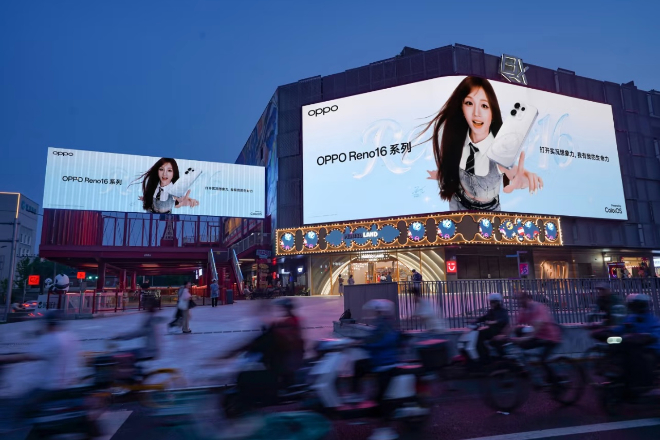
A space’s “high-end” appearance relies on more than just decoration.
What truly leaves a lasting impression are often the details that create atmosphere and convey brand sentiment.
Now, more and more commercial spaces and showrooms are using LEDディスプレイ, transforming walls from mere surfaces into integral parts of brand presentation and experience creation.
目次
1. How Can High-End Commercial Spaces Utilize LED Displays to Enhance Visual Appeal?

Entering a high-end store, consumers often perceive more than just product prices; they perceive the brand’s overall ambiance.
Why do some brand stores feel “high-quality” from the moment they enter? Besides lighting, displays, and interior design, a suitable LED表示 is becoming a crucial element in creating the spatial atmosphere.
Compared to fixed wall decorations, the biggest advantage of LED displays is their versatility.
For example, luxury stores can use high-definition LED screens to play brand stories, fashion films.
And new product showcases, allowing customers to experience the brand’s intended style even before encountering the products;
ハイエンド ショッピングモール can create digital art scenes using large LED walls, making entrances and atriums visual focal points that attract customers.
For brand showrooms, LED displays also enrich the display methods.
In the past, companies might only be able to introduce their development history and product information through display boards.
Now, they can use dynamic videos to showcase the R&D process, product applications, and even future visions, allowing visitors to quickly understand the brand’s value.
More importantly, LED screens prevent the space from remaining static.
When new products are launched, product highlights can be showcased; during holidays, themed displays can be switched;
And during events, they can create exclusive visual effects to complement the event. The space is no longer a fixed scene but can constantly change with the brand’s rhythm.
For example, some automotive and technology brands use large-area LED screens to create “futuristic” experience zone.
Allowing consumers to enter the atmosphere created by the brand before seeing the products.
For high-end commercial spaces, LED displays are not just about making the environment look more beautiful, but about helping the brand convey its “feeling.”
When a space can tell a story, consumers’ brand memory becomes more profound.
2. How can corporate showrooms showcase brand strength through LED displays?

Many corporate showrooms face the problem: how to ensure customers truly understand the brand within a short visit of a few tens of minutes?
After all, customers might only glance at a text description on a wall. But visually engaging and rhythmic content is much more likely to leave a lasting impression.
The addition of LED displays transforms corporate presentations from simply “introducing themselves” to “telling their story.”
For example, at the 展示 hall entrance, companies can use large LED screens to showcase their development history, key projects, and global footprint.
Allowing customers to quickly understand the company’s scale and growth trajectory upon entering the space.
Compared to rows of text, dynamic visuals more effectively create a sense of brand depth.
In product display areas, LEDディスプレイ can also help companies simplify complex content.
For instance, manufacturing companies can use videos to demonstrate product manufacturing processes and real-world application examples, showing customers how products are used;
Technology companies can use animations to demonstrate technological principles, making innovative features that are difficult to explain verbally more intuitive.
Beyond display content, LED screens can also transform the overall visual experience of the exhibition hall.
A large LED wall can become the visual centerpiece of the space, creating a more technologically advanced and professional visiting experience when combined with lighting and exhibition design.
When customers enter such a space, they experience more than just “looking at products”; they are learning about a brand’s strength and future direction.
Often, a customer’s trust in a company depends not only on what the salesperson presents, but also on what they see with their own eyes.
For corporate showrooms, LED displays are not just about amplifying information, but about helping companies present their strengths more intuitively and easily understood.
A good exhibition space often leaves a lasting impression on customers.
3. How can hotels and entertainment venues use LED screens to create a premium experience?

When choosing a ホテル or entertainment venue, many people, besides focusing on service and facilities, also pay attention to one detail: what is the overall feeling of the place?
Some spaces feel comfortable and high-quality from the moment you walk in, while others, despite their good features, lack a memorable element.
The difference often lies in whether the space creates a unique atmosphere.
LED displays are helping hotels and entertainment venues create this “first impression.”
For example, in a hotel lobby, a high-definition LED screen can display city views, brand stories, or seasonal themes.
Allowing guests to experience the hotel’s positioning and style within the first few minutes of check-in.
Compared to fixed decorations, dynamic visuals can change with the seasons and events, keeping a space constantly fresh.
The role of LED screens is even more pronounced in banquet halls and event areas.
At weddings, they can become part of a romantic backdrop; at corporate events, they can display brand content and on-site information;
And at banquets or performances, they can be combined with lighting effects to create a more impactful visual experience.
The same space can present completely different feelings by changing the content.
For entertainment venues, LEDディスプレイ can also increase the interactivity of the space.
For example, バー, themed restaurants, or leisure spaces can use dynamic visuals to create unique scenes.
Encouraging customers not only to consume but also to take photos, share them, and even become disseminators on social media.
Many high-end hotels and entertainment projects are now incorporating LED screens as part of their spatial design, rather than simply as playback devices.
Truly sophisticated spaces are not about piling on more decorations, but about ensuring that every detail conveys an experience.
LED displays add more variety to a space and allow customers to feel the brand’s attention to detail every minute they spend there.
4. How can public and cultural spaces leverage LED displays to enhance their overall image?

The feeling a public space evokes often stems from more than just the architecture itself.
While an airport, a 博物館, or a city square might feel modern and vibrant in some places, others might feel like “just a functional area.”
The difference often lies in whether the space offers a better digital expression.
LED displays are helping to transform this experience in an increasing number of public and cultural spaces.
For example, LED screens in 空港 display more than just flight information.
Beyond basic information like boarding reminders and route guidance, they can showcase the city’s image, tourism content.
And unique culture, allowing travelers to learn more about their destination while waiting. For a city, the airport is also its first window to the world.
In museums and cultural venues, LEDディスプレイ enrich the presentation. Historical content, artworks, or cultural stories might struggle to attract younger audiences with just text descriptions.
However, through dynamic images and immersive visuals, viewers can more intuitively understand the stories behind them.
For instance, when showcasing ancient architecture, LED scenes can recreate the past cityscape, making historical content more vivid.
In urban public spaces, LED screens are also becoming a new visual identifier.
Festivals, major sporting events, and city promotional content can all be quickly presented through digital displays, giving plazas, streets.
And other spaces a more interactive feel, rather than just fixed buildings and facilities.
Of course, the changes brought about by LED displays are not just about “looking more technological.”
They make information dissemination more flexible and give spaces more opportunities for expression. A screen can be an information window or become part of the city’s culture.
For public and cultural spaces, LED displays are not just adding a display device, but adding a new way of expression to the space.
They make cities warmer, make culture more visible, and leave a deeper impression on people.
5. How to choose an LED display solution to make space upgrades more effective?
Many companies, when upgrading spaces, tend to focus on “whether the screen is big enough and whether the effect is impressive enough.”
But in reality, whether an LED display can truly enhance the value of a space depends not only on its size, but also on whether it is suitable for the specific scenario.
Different spaces require different display solutions. For example, high-end brand stores prioritize visual quality and brand identity, potentially requiring high-definition, 小型LEDスクリーン to create exquisite visuals;
ショッピングモール atriums prioritize large size and visual impact, ensuring consumers notice them from a distance;
Conference rooms and 展示 halls require clearer image quality for displaying detailed content.
視聴距離 is also a crucial factor when choosing an LED display.
If customers are close to the screen, excessively large ピクセルピッチ can negatively impact image sharpness;
Conversely, in large public spaces, overly pursuing high specifications can lead to cost waste.
Finding a balance suitable for the specific scenario is more important than simply pursuing the “highest configuration.”
Besides display quality, installation method and long-term stability are equally critical.
A screen needs to not only look stunning on the first day but also operate stably over the long term.
Structural design, heat dissipation, and ease of maintenance all affect the subsequent user experience.
Furthermore, space upgrades shouldn’t solely focus on short-term visual effects.
If content updates become difficult or maintenance costs are too high, even the most beautiful design may gradually lose its value.
Therefore, when selecting a solution, display quality, operating costs, and future usage needs must be considered simultaneously.
For example, a commercial complex that chooses an LED system that supports remote management.
And flexible content updates can continuously adjust the displayed content according to event and marketing needs for years to come.
For space upgrades, a good LED display solution isn’t necessarily “the more expensive, the better.”
But rather one that achieves a balance between display quality, spatial design, and long-term operation.
Choosing the right solution ensures that a screen truly becomes a long-term investment that enhances the value of the space.
6. 結論
Ultimately, the sense of sophistication in a space comes from the experience.
LED displays offer more than just a larger screen; they allow for greater dynamism and expression within a space.
When content can be updated at any time, a space can always maintain a sense of freshness.
Finally, if you would like to learn more about LED displays, ご連絡ください。


 English
  Español
  简体中文
简体中文  Français
  日本語
日本語  한국어
한국어  العربية