
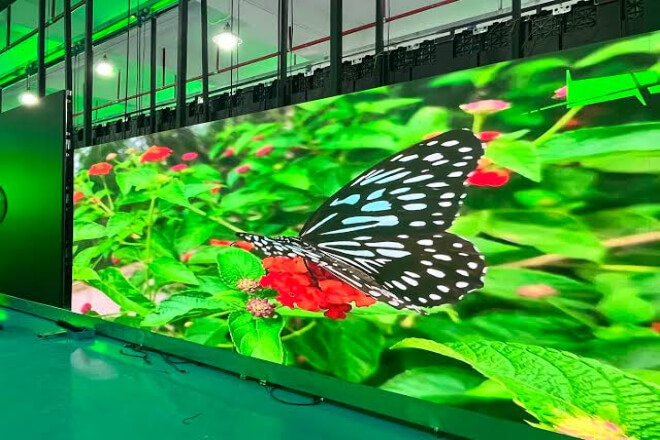
Many companies, when purchasing pantallas LED, often prioritize price.
“How much does this screen cost?” is the starting point for almost every purchasing decision.
However, after using it for a period of time, many people realize that the value of a screen far exceeds the initial quote.
It can showcase a brand, attract customers, support events, and even become a continuously value-creating “digital asset” within a space.
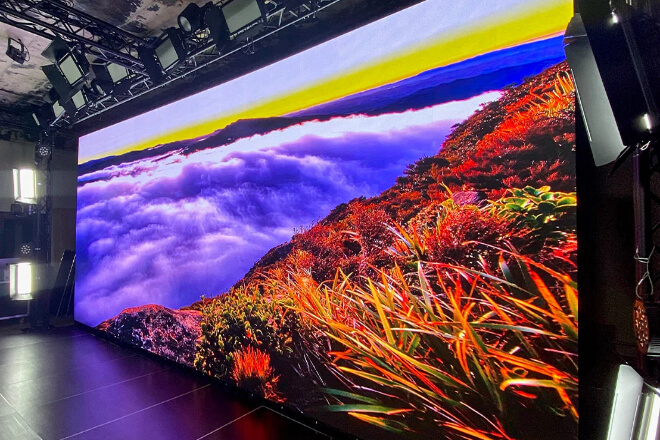
Many companies used to rely on wall-mounted display boards and brochures for advertising, which were updated once and then displayed for a long time. But now, customers obtain information in different ways.
The biggest advantage of LED displays is that they allow brand content to be continuously updated and seen.
For example, in a company lobby, an Pantalla LED can showcase the company’s development history, core businesses, and project cases daily;
In a showroom, product application scenarios can be played on a loop; and in stores, content can be adjusted promptly based on new products and events.
Compared to static promotional materials, LED displays don’t just “hang there waiting to be seen,” but continuously deliver information.
For example, an LED display company in its customer reception area doesn’t just play company introductions.
It showcases global project cases, production processes, and practical application effects. Customers can quickly understand the company’s strength even while waiting a few minutes.
This exposure isn’t a one-off event; it rebuilds brand impressions every time a visitor enters the space.
Simply put, the value of LED displays isn’t just “displaying content,” but transforming what was once one-off advertising into daily brand communication.
To put it bluntly: previously, corporate advertising relied on “a poster being seen”; now, brand content “proactively appears every day.”
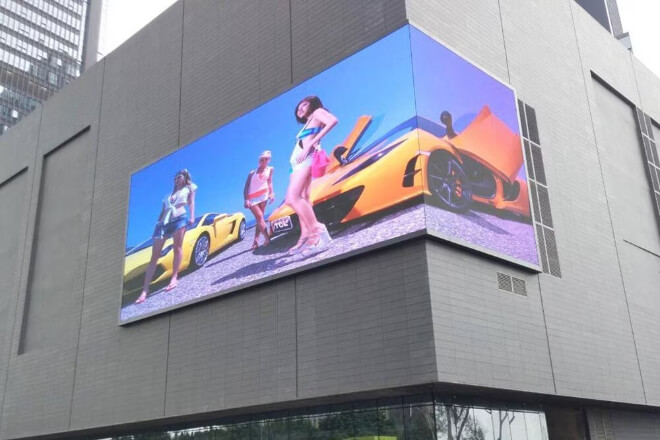
Many companies, when purchasing LED displays, are concerned not only with “aesthetics” but also with a very practical question: can this screen be used frequently?
If a screen is only used on the day of an event, its value is difficult to realize. Now, more and more scenarios are enabling LED displays to perform multiple tasks, transforming them from “occasional display devices” into “daily operational tools.”
For example, in a company’s meeting room, an LED display screen can be used to display meeting materials and data charts during normal times;
It can also be used as a brand promotion backdrop for new product launches; and it can play course content and interactive information during training activities.
A single LED display screen can adapt to multiple scenarios, naturally leading to higher usage frequency. The same applies to commercial spaces.
For example, an LED display screen in a centro comercial atrium: during the day, it can play brand advertisements and event information;
At night, it can be used for visual displays during festivals; and during pop-up events, it can serve as a backdrop and interactive window.
This eliminates the need to rebuild background equipment for each event, reducing additional investment.
Simply put, the value of an LED display screen isn’t just “the day it’s installed,” but rather how many scenarios it can participate in afterward.
To put it bluntly: previously, “LED displays were only used for events,” now, “LED displays can be used for any scenario.”
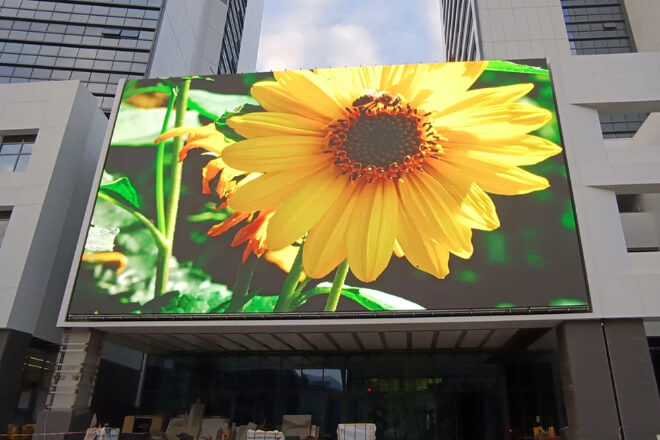
Many companies, when installing LED displays, initially think: “Is this screen big enough? Bright enough?” But what truly determines its long-term value is what is displayed on the screen every day.
If a large screen plays the same promotional video on a loop year-round, even the most stunning visuals will become just background noise.
However, if the content is constantly updated, it becomes like a tireless brand promoter, continuously interacting with users.
For example, LED displays in Centros comerciales: they can showcase brand advertisements and new product recommendations on ordinary days; change to holiday-themed visuals for Valentine’s Day; play festive content for Chinese
New Year; and become an interactive backdrop for celebrity events or new product launches.
The same screen, changing its “identity” according to different times, naturally maintains its appeal. The same applies to brand stores and corporate showrooms.
New product launches can immediately showcase product highlights; promotional activities can promptly release discount information; and when receiving clients, success stories and brand narratives can be played.
No need to reprint posters or replace display boards; content adjustments can be completed in minutes.
In fact, LED screens are somewhat similar to mobile phones. No matter how good the hardware of a mobile phone is, it quickly loses its appeal without new content and applications;
The same is true for LED displays—what truly gives them value is continuously updated content.
To put it bluntly: Previously, it was “buying a screen and waiting for people to look”; now it’s “operating a screen and actively attracting people to look.”
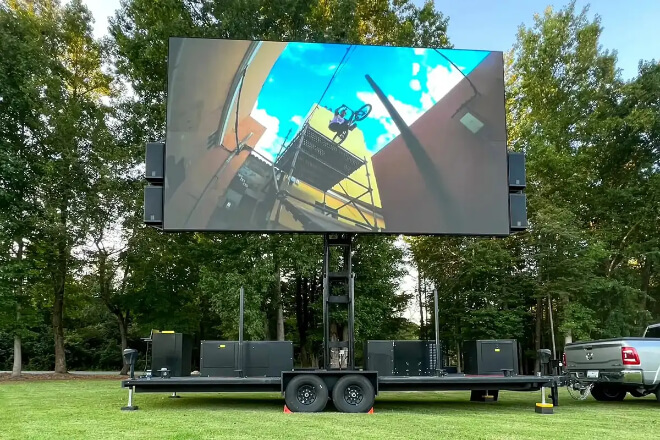
Many people’s first reaction to an LED display is “displaying content.” But for commercial spaces like shopping malls, hotels, and sports stadiums, it actually hides another identity—a media portal that can generate revenue.
If operated well, an LED display is not just an expensive piece of equipment; it can generate income in return. For example, the large screen in the atrium of a shopping mall:
Besides broadcasting mall events, it can also display advertisements for resident brands, new product promotions, and holiday sales.
A restaurant brand launching a new product can advertise on the large screen; a clothing brand’s seasonal promotion can also attract consumers’ attention through dynamic visuals.
For shopping malls, this screen is not just decoration, but a “prime display space.”
Deportes stadiums and hoteles are similar. For example, when a stadium hosts a competition, the LED display can display sponsor advertisements; when a hotel hosts a conference or exhibition, it can provide on-site display opportunities for partner brands.
A single screen, switching between different commercial content for various events, can create more opportunities for collaboration.
More importantly, the LED display itself enhances the value of the space. A commercial space with a large LED display is more likely to attract brand events, press conferences, and business collaborations.
For example, some shopping malls use creative large screens to create popular photo spots, attracting customers and increasing the venue’s commercial appeal.
To put it bluntly: previously, an LED display was “a piece of equipment in a space,” but now it can become “a revenue stream within that space.”
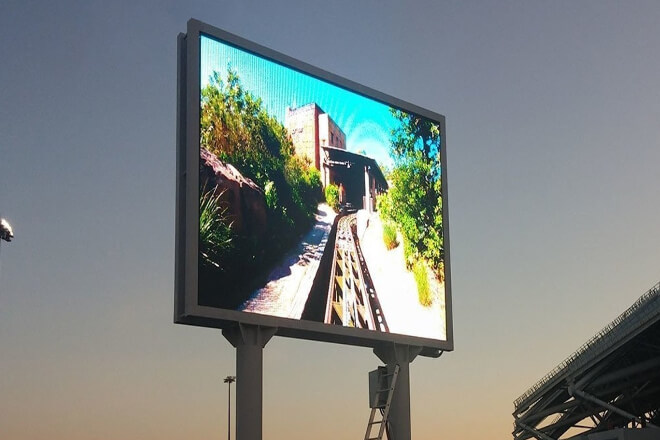
Many companies, when considering LED displays, tend to focus only on the purchase price. However, what truly impacts long-term returns is often the ongoing operating costs and the equipment’s lifespan.
Choosing the right product and ensuring proper maintenance are crucial for extending the screen’s lifespan and maximizing its value.
First, don’t blindly pursue “big” and “cheap”; suitability for the scenario is key. Different scenarios have completely different requirements for LED displays.
Por ejemplo, centro comercial atriums prioritize visual appeal and attractiveness; conference rooms may focus on clarity and stable operation;
While outdoor plazas require consideration of waterproofing, dustproofing, and long-term weather resistance.
Using the wrong product not only diminishes the effect but also increases subsequent maintenance costs.
Secondly, stability determines how long an LED display screen can generate value. Frequent screen malfunctions not only affect the display effect but can also impact commercial activities and brand image.
For example, on the day of a sporting event, if an advertising screen suddenly goes black, it’s not just a repair issue but could also affect sponsor exposure. Therefore, in the long run, stable operation is more important than simply a low price.
Finally, proper maintenance can extend the equipment’s lifespan. Regular inspections, timely replacement of faulty modules, and effective operational management can all reduce the likelihood of large-scale repairs.
For example, in shopping malls, remote monitoring of LED displays can detect anomalies early, allowing for problem-solving outside of business hours and preventing disruption to normal operations.
To put it bluntly: buying an LED display screen isn’t the end; the real return on investment comes from its ability to consistently generate value years later.


 English
  Español
  简体中文
简体中文  Français
  日本語
日本語  한국어
한국어  العربية