
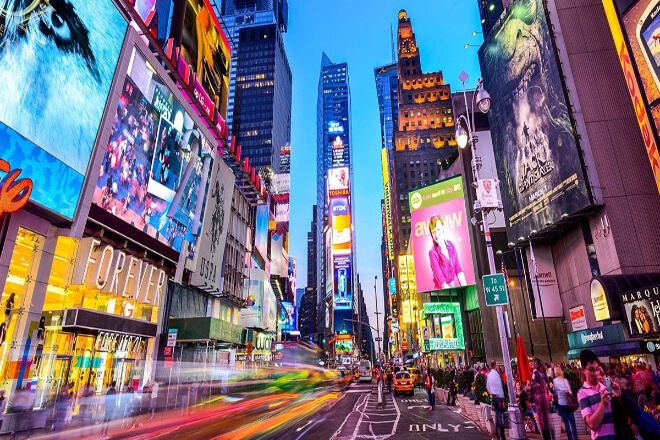
Traditional billboards are like “static posters” in the city; over time, they easily become just background noise. LED 디스플레이, however, are completely different.
LED screens can play high-definition dynamic images, colorful videos, and animations, attracting pedestrians’ attention more easily than static billboards in city streets, business districts, and transportation hubs.
The flowing visuals, localized content, and even real-time updated advertisements make viewers stay longer and remember the ads more effectively, rather than being “glanced and forgotten” like with traditional billboards.
A prime example is Times Square, where giant LED screens attract the attention of millions of tourists and locals daily.
Constantly changing advertising videos, animated shorts, and even festival-themed displays have made this area a landmark advertising venue worldwide.
Consider Piccadilly Circus, which has also transitioned from traditional neon signs to digital LED screens, achieving a more dynamic and diverse way of displaying information.
Compared to static billboards, LED screens can update their content dozens or even hundreds of times a day, greatly enhancing on-site appeal.
Simply put, LED screens, through dynamic and high-definition visual effects, transform advertising from merely “images hanging on a wall.”
into miniature “visual performances” in the city, capturing viewers’ attention with constantly changing content, thereby achieving higher advertising effectiveness and a deeper brand impression.
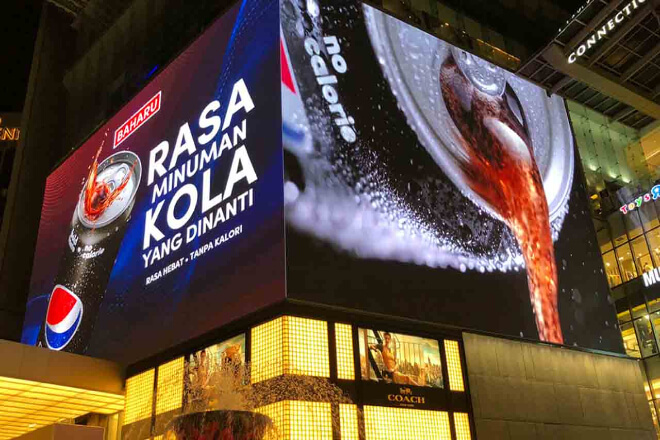
One of the biggest advantages of LED displays compared to traditional billboards is their flexibility—advertising content can be updated in real time, virtually unrestricted by time and space.
Whether it’s holiday promotions, brand events, trending news, or breaking news, advertisers can switch content to LED screens within minutes.
In contrast, changing the display on traditional billboards often requires manual disassembly and reassembly.
As well as printing new posters, which is not only time-consuming and labor-intensive but also increases costs.
A typical example is Times Square in New York, where the 거대한 LED 스크린 are updated daily with different advertisements and interactive content.
For instance, on certain holidays, brands will instantly adjust the screen display to showcase animations themed around Christmas, Chinese New Year, or Halloween.
When hot events occur, the screens can quickly display relevant information or brand responses, ensuring that advertising content is synchronized with audience interests.
Looking at Piccadilly Circus in London, advertisers can remotely control the LED screen content, quickly switching displays according to different time periods, events, or brand needs.
For example, playing coffee or breakfast brand advertisements in the morning and switching to nightlife.
Or concert promotions in the evening, achieving 24/7 coverage, something traditional static billboards struggle to achieve.
In short, LED displays bring advertising to life, moving beyond static posters to a dynamic experience.
They can update in real-time with the city’s pace, audience interests, and brand activities, making advertising more timely, efficient, and engaging.
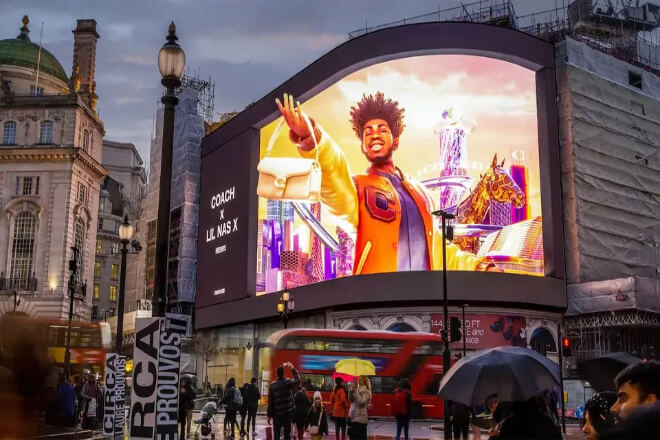
The allure of LED displays lies not only in their 명도 and size but also in their ability to tell stories through a wealth of multimedia tools, making advertisements more vivid and engaging than traditional static billboards.
They can play animations, videos, scrolling text, and even incorporate interactive elements such as QR code participation in activities, mini-games, or real-time voting, allowing viewers to not only “watch” but also “participate.”
This approach gives brands more freedom to showcase their creativity, explain product features, and even capture viewers’ attention with visuals and interactivity in just a few seconds.
For example, the giant LED 스크린 in Times Square, New York, not only plays high-definition advertising videos but also frequently incorporates interactive elements.
Allowing passersby to scan QR codes to participate in mini-games, receive coupons, or have their photos displayed on the screen.
This design not only makes advertising more interesting but also significantly enhances brand memorability, leading to longer-lasting impressions after viewing.
In contrast, traditional billboards appear much more monotonous—they can only display images or text.
Lacking variation and interactivity, and struggling to capture the attention of passersby within seconds.
LED displays, on the other hand, act like a small 단계 도시.
Each advertisement can attract attention through dynamic effects and interactive design, leaving a lasting impression on the viewer in a short time.
In short, LED screens not only make advertisements “move,” but also tell stories using rich multimedia formats, transforming static advertising into a visual and interactive feast.
Making city street advertisements more vivid, interesting, and more likely to resonate with viewers.
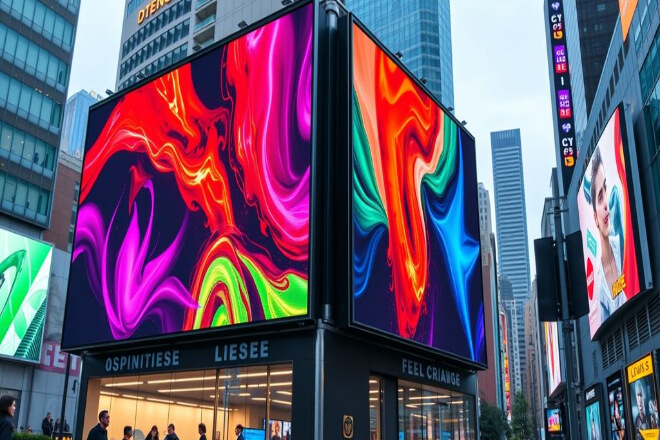
The power of LED displays lies in their ability to be placed almost anywhere in the city.
They can be seen on commercial streets, 쇼핑몰 facades, transportation hubs, landmark buildings, and even sports stadiums.
Whether you are walking, driving, or riding the subway, these screens can easily grab your attention, like “little flashes” in the city.
Constantly reminding you: Hey, there’s interesting content or a brand worth paying attention to here!
On commercial streets, LED 스크린 can scroll through promotional information or new product advertisements, attracting the attention of passersby.
On shopping mall exteriors or transportation hubs, large, high-definition screens ensure that pedestrians and drivers at a distance can clearly see the advertising content.
At landmark buildings or stadiums, it’s not just an advertising medium, but also a visual focal point of the city, instantly enhancing the technological and modern feel of the entire scene.
Moreover, this multi-scene adaptability makes LED screens very “intelligent.”
During festivals, events, or major competitions, it can switch content at any time: displaying advertisements during the day.
Featuring festival themes or light shows at night, and even incorporating interactive elements into events.
Compared to fixed traditional billboards, LED screens are like “all-rounders” in the city—flexible, intelligent, and fun, perfectly integrating advertising with urban life.
Simply put, LED screens can not only shine in any corner of the city, but can also transform into advertising, interactive elements.
Or decorative 단계, bringing every corner of the city to life, both eye-catching and fun.
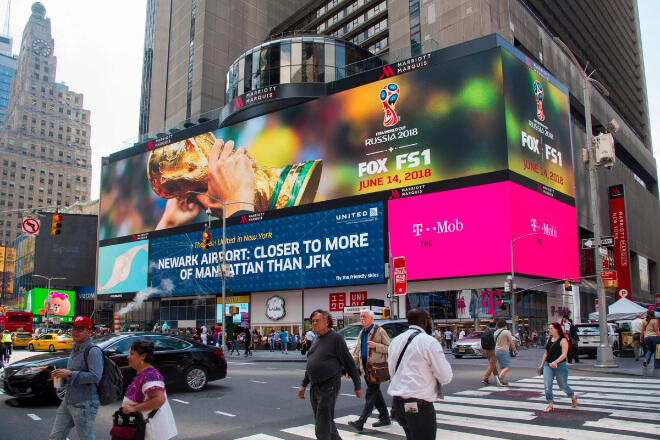
While the initial investment in LED 디스플레이 may be higher than that of traditional billboards, their cost-effectiveness and commercial value advantages are significant in the long run.
First, LED screens allow for the reuse of advertising space, and different advertising content can be switched at any time, eliminating the need for frequent printing.
And replacement of posters like traditional billboards, thus significantly reducing printing costs and labor maintenance expenses.
Second, LED screens have a long lifespan. A high-quality screen can typically operate stably for many years, meaning that a one-time investment can generate continuous advertising revenue.
For commercial operators, it not only provides flexible advertising display but also significantly enhances brand exposure and advertising value through 24/7 playback, dynamic content, and interactive formats.
Take Times Square in New York as an example. While the initial investment in its giant LED screens was substantial, the continuous display of various brand advertisements.
Event promotions, and interactive content has attracted a large number of tourists and brought advertisers sustained high exposure and commercial returns.
In short, LED displays are like a long-term investment: high initial costs, but their flexibility, multimedia capabilities.
And long lifespan allow them to generate advertising revenue and economic benefits far exceeding traditional billboards over many years of operation.
They are both economical and efficient, continuously enhancing brand influence.
 English
  Español
  简体中文
简体中文  Français
  日本語
日本語  한국어
한국어  العربية