
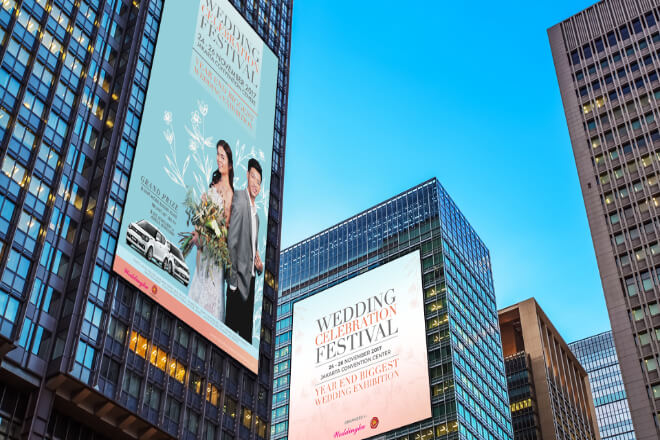
In urban advertising, capturing the attention of passersby in the first second is crucial, and LED displays, with their powerful visual performance, instantly “grab the eye” with brand information.
높은 명도 and high-definition image quality of LED screens ensure that the image remains clear even in direct sunlight during the day, and remains vivid and visible in the complex lighting of bustling streets at night.
This means that whether it’s pedestrians walking on the street or drivers passing by, they can all capture the content on the screen immediately.
Rich colors and dynamic content are a major advantage of LED screens. Compared to traditional static billboards.
LED screens can play video clips, animated effects, and even real-time interactive content, making advertising “come alive” and more likely to attract passersby to stop and pay attention.
Taking Times Square in New York as an example, the large LED advertising screens here display dynamic brand content to tens of thousands of tourists every day: from Nike’s sports shorts to Coca-Cola’s holiday animations.
These images are not only colorful and fast-paced, but also attract viewers to stop and watch and take photos for sharing through dynamic, story-driven content.
Compared to static posters, LED screens have richer content and are easier to remember.
The visual impact brought by large-sized LED screens is also undeniable. Giant screens often become a visual focal point in the city center, quickly capturing the attention of passersby on busy streets.
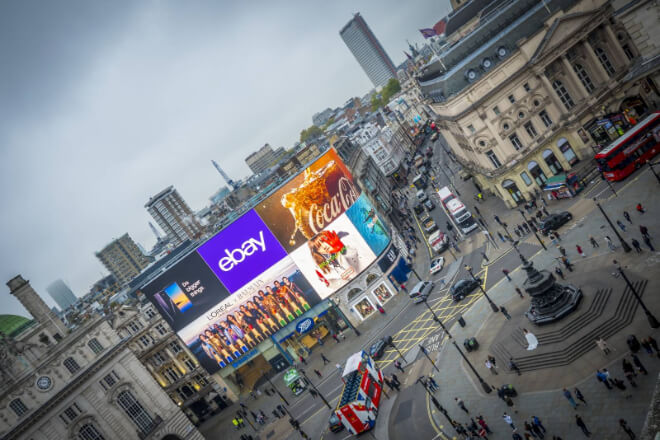
In Piccadilly Circus in London, the large advertising wall formed by a combination of 옥외 LED 스크린 has become one of the city’s landmarks.
Whether it’s high-definition videos of new car models released by automotive brands or dynamic materials showcasing the latest season’s clothing from fashion brands.
These large-screen displays not only have a wide coverage area but also deeply imprint the brand image in the memory of passersby.
Therefore, with their high brightness, high-definition images, rich dynamic visual performance, and the impact of large size.
LED displays have become the preferred medium for urban advertising, attracting attention, increasing brand exposure, and improving brand recall.
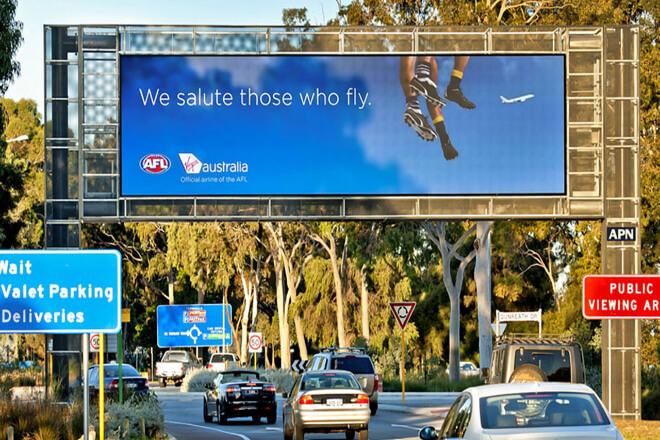
Besides their visual impact, another major advantage of LED displays in urban advertising is their flexibility and real-time update capabilities.
Unlike traditional static billboards, LED screens can be updated remotely and quickly, eliminating the need for manual poster changes or printing materials.
This means advertisers can flexibly adjust content based on events, time periods, or specific target audiences, making advertising more precise and efficient.
예를 들어, 일부 대형 LED 스크린 in London’s Piccadilly Circus have been used to display photos or messages posted by users on social media during brand events, encouraging audience interaction.
This interaction not only increases the appeal of the advertisement but also makes it easier for the audience to remember the brand, thereby improving brand awareness and favorability.
The flexibility and real-time update capabilities make LED displays not just a tool for displaying advertisements, but a controllable, adjustable, and interactive dynamic marketing platform.
It can instantly adjust content according to the rhythm of the city and changes in pedestrian traffic, quickly responding to holiday events, unexpected incidents, or brand promotions, improving the effectiveness and reach of advertising.
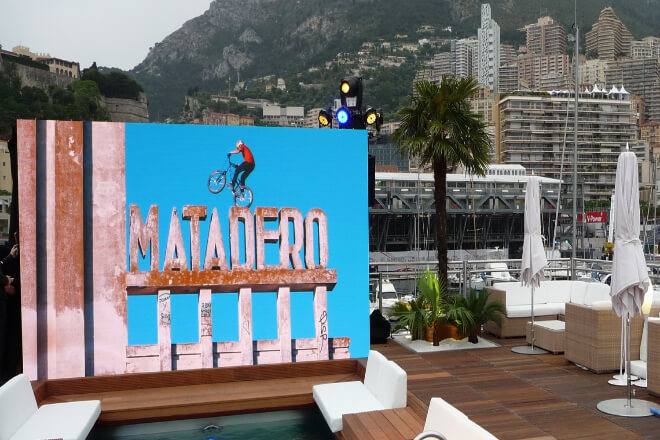
In addition to being eye-catching and offering flexible updates, another major reason for the popularity of LED displays is their durability and long-term value.
Modern outdoor LED screens are usually designed with waterproof, dustproof, and windproof features.
Therefore, even in rain, wind, or dusty conditions, they can operate stably without easily malfunctioning. This means advertisers don’t have to worry about missing exposure opportunities due to weather-related downtime.
High brightness and UV resistance also contribute to their “resilience.” For example, the giant LED screens on the streets of Shibuya in Tokyo remain bright and vibrant even after prolonged exposure to sunlight, without fading or dimming.
This means advertisers can use the same screen for a long time, repeatedly running different campaigns or brand promotions without frequently replacing equipment, saving considerable costs.
From a return on investment perspective, although LED screens have a higher initial investment, their durability and low maintenance make their long-term value very high.
Taking Times Square in New York as an example, those large LED advertising screens have been operating at high brightness for many years, running multiple campaigns for different brands with excellent results.
Coupled with remote updating and flexible scheduling capabilities, advertising content can be adjusted at any time, which is very convenient for holiday events, promotions, or new product launches, making them very cost-effective overall.
In short, LED displays are durable, operate stably for extended periods, and support flexible updates, allowing advertisers to achieve long-term returns with a single investment, making them a highly reliable choice for urban advertising.
Besides attracting attention and offering flexible updates, LED displays have a special advantage: they can make a city look more “high-tech” and modern.
Modern LED screens can be curved, transparent, or even integrated directly into building facades, blending advertising with urban architecture for an innovative and visually striking effect.
For example, the circular LED screen in Times Square, New York, not only displays brand advertisements but has also become an integral part of this landmark, attracting tourists to take photos.
The building-integrated screens in Piccadilly Circus, London, are similar; the advertising content blends with the building facade, becoming a visual highlight of the city and leaving a lasting impression.
Transparent LED screens are used on high-rise buildings in some Asian cities, where the advertising content appears to float in the air, seamlessly integrated with the urban architecture, creating a very futuristic feel.
Even more interestingly, modern LED screens can be combined with interactive technology, allowing viewers to participate.
For example, viewers can interact with advertisements through mobile social media or touch screens, which not only enhances the experience but also makes the advertising and urban space more interactive and engaging.
In summary, LED screens are not only a tool for displaying advertisements; they can also become a “highlight” and landmark of the city, making the city’s brand image more distinct and modern, and making passersby want to take a second look.
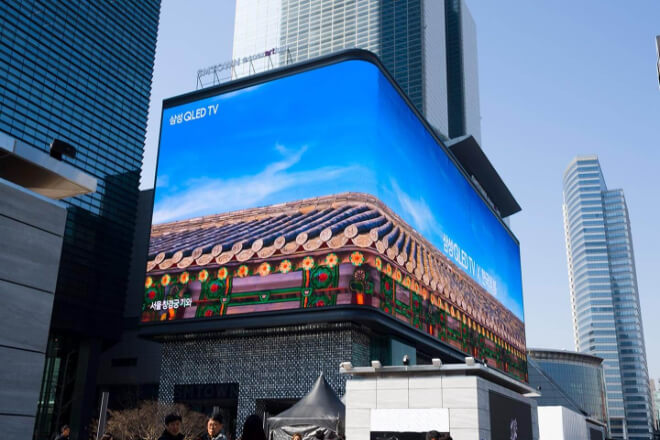
In addition to being eye-catching, offering real-time content updates, and enhancing the city’s image, LED displays have a very practical function—making advertising smarter and more precise.
Modern screens can not only play content but also combine with backend data to adjust advertisements based on traffic flow, time of day, and even demographic characteristics, resulting in much better results than traditional billboards.
For example, the LED screen in Shibuya Square, Tokyo, faces a large number of young people and tourists every day.
Advertisers can adjust the advertising content based on traffic data at different times of the day, showing restaurant or travel information in the morning.
And switching to trendy brands or entertainment event advertisements in the afternoon and evening, making the advertising more relevant and effective.
Similarly, in Times Square, New York, with its massive daily foot traffic, advertising screens can adjust content based on holiday events, concerts, or weekend tourist peaks.
For example, during large-scale concerts, LED screens prioritize displaying promotional activities or interactive content from relevant brands, making advertisements more relevant to audience interests and increasing engagement.
This data-driven approach not only makes advertising content more precise but also allows for optimized placement based on real-time traffic and interaction data, helping advertisers determine which content is most popular and clearly see their return on investment.
Compared to traditional, static advertising, the precise targeting and flexible adjustments of LED displays undoubtedly make advertising more effective, smarter, and more aligned with the pace of modern city life.
 English
  Español
  简体中文
简体中文  Français
  日本語
日本語  한국어
한국어  العربية