
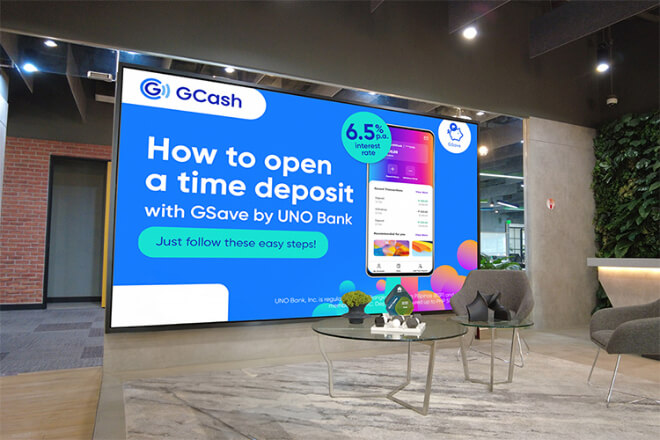
Bank LED displays are not for “showing off”; they are more like the bank’s assistant—they must convey information to customers, showcase the brand, and be as stable as the bank’s vault.
Before selecting a screen, the needs must be clearly understood; otherwise, buying one might be as embarrassing as buying a sports car and leaving it parked outside the bank without gas.
First, it must meet the needs of information dissemination and wayfinding. Announcements, queue information, business guides…
The screen must be clear and intuitive, allowing customers to find the content they need without having to look around.
Like an “information navigator” in a bank, it’s always there for you.
Secondly, it must support business display and brand expression. The screen is not just an information tool, but also a brand ambassador.
It showcases the bank’s philosophy, financial products, or service features, allowing customers to subtly perceive the brand value even before their number is called.
Furthermore, it must be adapted to the bank’s high-frequency usage scenarios. Banks have long operating hours and high customer traffic.
The screen must be able to operate continuously and intensively, stably and reliably, and not “break down” at crucial moments.
Finally, clarify your usage objectives before selecting a screen. Different screen types, 명도, sizes, and splicing methods are suitable for different scenarios.
First, figure out whether you’re using it to “tell information,” “guide traffic,” or “showcase your brand” before choosing a screen to avoid wasting your budget.
Simply put: LED displays in banks are not stars, but reliable helpers—silently conveying information, showcasing the brand.
And acting as a reliable vault, providing customers with a smooth and reassuring experience.
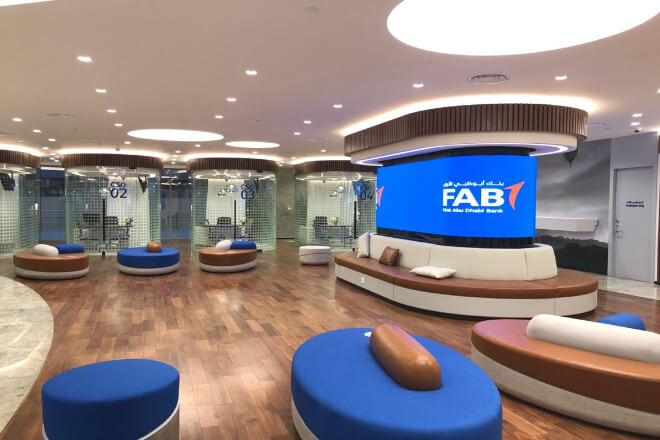
Choosing an LED display screen isn’t just about picking any screen to put on your counter.
It needs to be well-suited to the space, ensuring customers can easily access information from anywhere.
First, select the appropriate 해결 based on 시야 거리.
Closer to the screen, a slightly higher resolution is sufficient; further away, a higher resolution is needed to ensure text and data are clearly legible.
Like using a magnifying glass to read, the right combination is essential for comfortable reading.
Second, determine the screen size based on the space. A spacious lobby? Go for a large screen for unobstructed information.
A smaller store? A smaller screen can accurately convey information, avoiding overly cluttered visuals that can strain the customer’s eyes.
Third, control the 명도 to suit the indoor environment. Too bright and it’s glaring; too dim and it’s hard to see.
The screen brightness must be balanced with the ambient light to provide clear yet comfortable information without tiring the customer’s eyes.
Finally, ensure the information is clear and comfortable to read. The content layout should be simple and intuitive; font, color.
And typography should all be chosen with visual appeal in mind, allowing customers to understand at a glance without having to search for information.
Simply put, choosing the right LED display screen is like installing a “personal information assistant” in your space.
Customers, whether near or far, can easily see and comfortably read it, ensuring smooth and efficient dissemination of bank information.
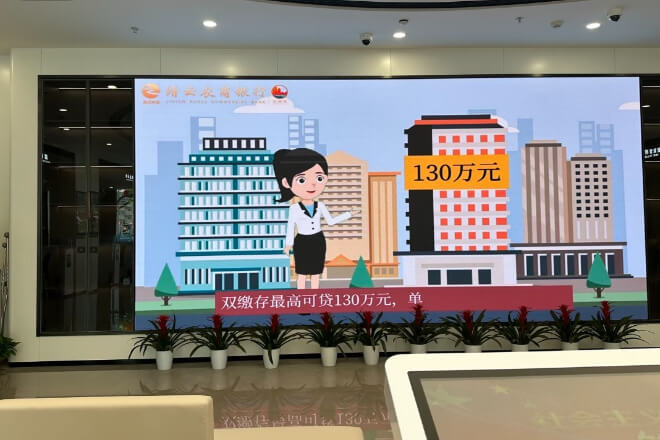
In banks, LED displays are not disposable decorations; they are used frequently every day, operating “around the clock” for information dissemination and brand display.
Therefore, performance and stability must go hand in hand when selecting a screen.
First, it must support continuous operation for extended periods. Banks have long operating hours.
So the screens must be able to work around the clock, without interruption, acting like a “diligent partner” always online.
Second, the display effect must be stable and not excessively degraded.
화면 명도, color, and contrast must remain consistent over the long term, ensuring information is always clearly readable, rather than becoming dim or discolored after a few months.
Furthermore, a low failure rate and controllable maintenance costs are crucial. Banks don’t want screens constantly malfunctioning, nor do they want frequent calls for repair personnel.
Low failure rate and controllable maintenance costs are important indicators when selecting a screen.
Finally, the LED display screen must be adapted to the high-frequency daily use of banks. It needs to withstand frequent content switching.
Advertising displays, and announcement updates, ensuring a stable output of information and brand value.
Simply put, a bank’s LED display screen is like a helpful assistant at the front desk—always online, rock-solid, always ready to display information, and with low maintenance costs.
Only by combining effectiveness and stability can it be considered qualified.
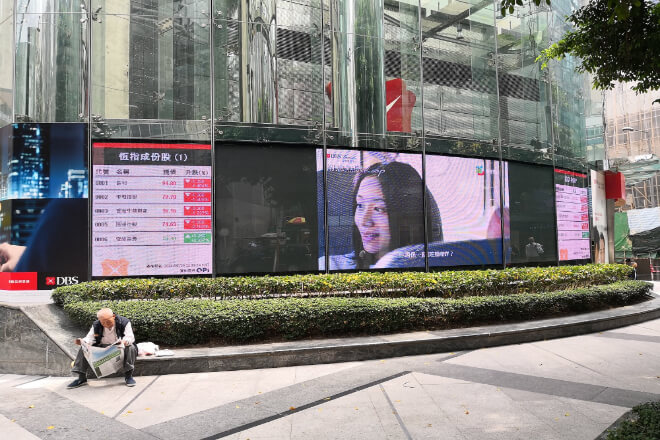
In banks, LED displays are not just “cool decorations”; they are more like a quietly working “intelligent assistant,” conveying information while shaping the brand and optimizing the customer experience.
The key is to upgrade it from a simple display tool into a comprehensive service helper.
The colors, fonts, and animations on the screen can be consistent with the brand style, making each information display feel like the brand is “speaking quietly,” allowing customers to remember the bank’s image unconsciously.
Add to that the modern technological feel brought by LED screens, and the lobby instantly becomes smarter and more professional, giving customers a sense of “reliability and efficiency” as soon as they enter the bank.
In terms of customer experience, the screens make announcements, queue information, and business introductions clear and easy to read.
Acting like helpful guides, helping customers easily find the information they need without having to look around or waste time.
Even better, LED screens are not just for displaying content; they can also guide customers, enhance interaction.
And optimize the entire service process, seamlessly integrating information display and service support.
Simply put, LED displays in banks are like a “complaining, all-around assistant,” making the space more technological and professional.
While ensuring customers can see clearly and use it smoothly, ultimately upgrading both brand image and customer experience.
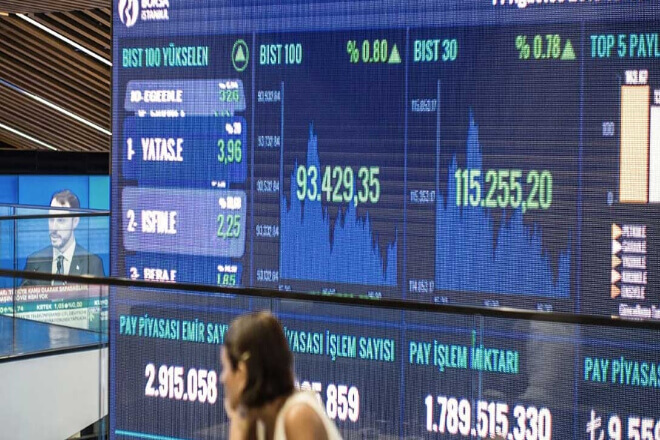
In banks, LED displays are not only tools for displaying information but also “guardians” of information management.
If management and security are inadequate, even the most beautiful screen can become a trouble-making machine.
A suitable screen must support unified content management and remote control, allowing headquarters to easily schedule and instantly update announcements.
And business information without relying on manual operation at each branch.
Meanwhile, information publishing permissions need to be clearly defined and controllable, ensuring that only authorized personnel can upload content.
Making the screen a reliable gatekeeper to prevent information errors or leaks.
For banks with multiple branches, the screen must also have centralized management capabilities.
Able to uniformly synchronize content from multiple branches, making management more efficient and easier.
At the same time, the screen must be compatible with the bank’s existing business systems and content platforms, ensuring smooth information flow and avoiding technical conflicts or data “blockages.”
Simply put, LED displays in banks are not only front-end display experts but also robust back-end guardians.
Helping to manage content, protect information security, and ensure efficient and smooth operations.
It ensures that every display is reliable, presenting customers with a professional and reliable bank image, not a chaotic or out-of-control screen.
 English
  Español
  简体中文
简体中文  Français
  日本語
日本語  한국어
한국어  العربية