
The experience of boarding a luxury cruise ship begins the moment a passenger steps into the lobby.
Besides cabins, restaurants, and entertainment facilities, the ship’s public spaces also influence people’s perception of the cruise’s quality.
A cleverly designed LED display is becoming the “visual focal point” in these spaces.
In the cruise ship lobby, LEDディスプレイ can replace some traditional decorative walls, giving the previously static space more variety.
Today it can display the sea views along the route, tomorrow it can play brand stories or introductions to special events.
And at night it can switch to light shows and immersive visuals, providing passengers with a new visual experience every time they pass by.
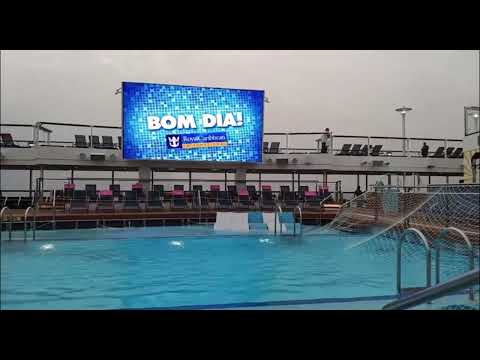
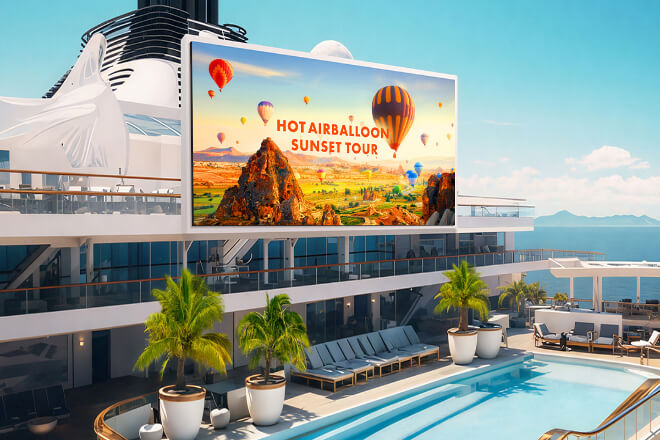
Deck areas are also a crucial setting for LED displays. For example, during sunset cruises, screens can display dynamic content with an ocean theme;
And when hosting deck parties, they can create a more atmospheric entertainment space with music and lighting.
For passengers, this experience is not just about “seeing a screen,” but about making the entire scene more engaging.
Some international cruise brands have begun using LED display systems to create distinctive public areas.
For example, large LED backdrops are used in entertainment halls to complement performances.
While destination scenery is displayed in leisure areas, allowing passengers to experience the charm of their travel destination even before arriving at the next stop.
Compared to traditional decorations, the biggest advantage of LED displays is their “changeability.”
They can continuously adjust content according to the season, route, and event theme, giving the same space different presentations.
For luxury cruise ships, LED displays not only add a sense of technology but also help tell stories in public spaces.
They encourage passengers to stop, take photos, share their journey, and leave a more memorable impression of the cruise brand.
For cruise travel, passengers may spend several days or even longer at sea.
Beyond enjoying ocean views and gourmet food, cruise operators are also focused on keeping each day of their journey fresh and exciting.
The addition of LED displays expands the entertainment experience beyond traditional ステージ and event spaces.
In theaters and entertainment halls, LED displays serve as visual backdrops for performances, displaying dynamic images, stage effects, and themed visuals, enhancing the impact of live performances.
Whether it’s a musical performance, a dance show, or a themed gala, large-screen, high-definition displays help create a viewing experience closer to a professional concert.
Beyond stage performances, LED displays enrich everyday entertainment.
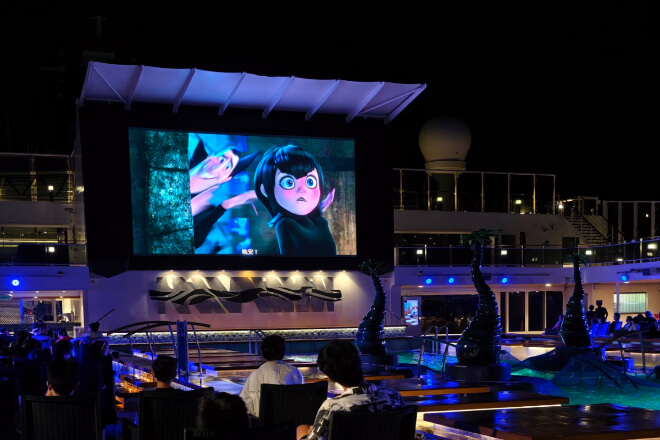
For example, on deck areas, cruise ships can use large screens to play outdoor movies, live sports broadcasts.
Or travel documentaries, allowing passengers to enjoy a different cinematic experience under the sea breeze and stars.
Some international cruise brands have begun integrating LED表示 systems into entertainment activities.
Such as playing interactive visual content at pool parties, creating an immersive party atmosphere with DJ music and lighting effects.
And displaying interactive games and animations for children in family activity areas, ensuring that guests of all ages can find entertainment suitable for them.
More importantly, LED displays enhance passenger engagement.
Through interactive content, real-time event information, and on-site voting, passengers are no longer just passive spectators but actively participate in the activities.
For modern cruise ships, the value of LED displays extends beyond simply “playing more content”; it unlocks more possibilities for shipboard spaces.
It transforms an ordinary performance, an open-air movie, or even a simple gathering into a memorable experience.
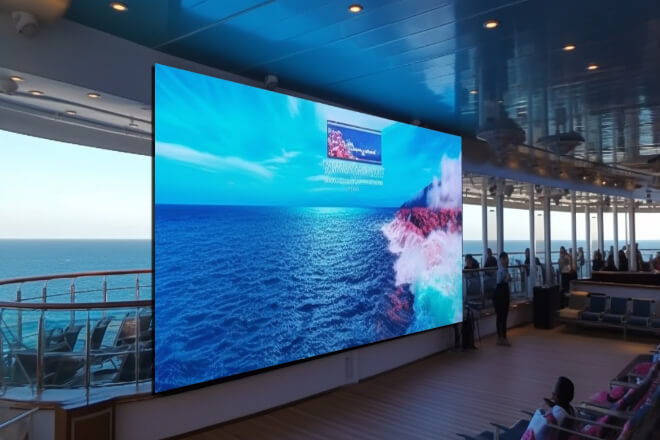
On a large cruise ship, passengers are exposed to a vast amount of information daily: docking time, dinner location, available entertainment, and the openness of certain areas.
If this information relies solely on paper notices or manual reminders, passengers can easily miss important details. LED displays make information delivery simpler and more efficient.
In the lobby, elevator areas, restaurant entrances, and public lounges, LEDディスプレイ can show real-time itinerary schedules, event times, and temporary announcements.
For example, changes to shore excursion times, weather alerts, and evening performance schedule adjustments can be updated immediately, eliminating the need for passengers to repeatedly check information or ask staff.
For larger cruise ships, service guidance is another important application scenario for LED displays.
Passengers can use the screens to learn about restaurant opening hours, the location of entertainment facilities, children’s activity schedules, and more.
Especially upon first boarding, clear digital signage helps passengers quickly familiarize themselves with the ship’s environment.
Some international cruise brands have already integrated LED display systems into their daily operations.
Setting up digital information screens in public areas to display different content at different times.
For example, they might remind passengers of restaurant opening times during breakfast, recommend upcoming entertainment activities in the afternoon.
And display performance schedules in the evening, making the information more tailored to passenger needs.
Compared to traditional bulletin boards, the biggest advantage of LED displays is their speed of updates.
The situation on a cruise ship can change daily; weather, activities, and itinerary schedules all require timely adjustments. Digital management allows staff to quickly update content, avoiding information lag.
For passengers, a clear and easy-to-understand LED screen is like a “digital butler” on board.
It doesn’t disrupt the travel experience but provides accurate information when needed, making the entire voyage easier and smoother.
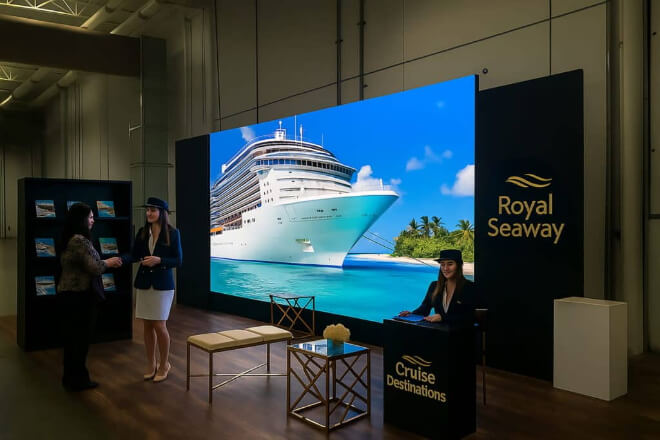
For cruise lines, every corner of the ship presents a brand display opportunity.
What passengers see and experience from the moment they board influences their evaluation of the journey.
The value of LED displays goes beyond simply making spaces look more upscale; they help cruise lines convey services, features, and business opportunities more naturally to passengers.
In lobbies, lounges, and entertainment areas, LED displays can showcase the cruise line’s unique services, routes, and destination information.
For example, as passengers prepare for a Mediterranean cruise, screens can preview cities, cuisine.
And cultural experiences along the way, generating interest in the destination even before disembarking.
Beyond showcasing the brand story, LED screens can also serve as “hidden marketing entry points” on board.
Restaurants, バー, ショッピングセンター, and entertainment venues can all be promoted through dynamic content.
For instance, reminding passengers of tonight’s special dinner in the afternoon, recommending upcoming performances in the evening.
Or showcasing new duty-free products, ensuring more services are seen by passengers.
Some international cruise brands have already begun using digital display systems to optimize their onboard marketing methods.
Compared to fixed promotional posters, LED screens can flexibly adjust their content according to the voyage and time of day.
In the morning, they can introduce the day’s itinerary; in the afternoon, they can promote leisure activities;
And in the evening, they can showcase entertainment programs, making the information more relevant to passengers’ current needs.
Furthermore, a uniquely designed LED display space can also become a place for passengers to take photos and share them.
For cruise brands, travel photos and videos proactively posted by passengers are themselves a form of free brand promotion.
Therefore, for cruise ships, LED displays are not simply adding a promotional screen, but helping brands create more opportunities to communicate with passengers.
It enhances the travel experience and gives every space on board more commercial value.
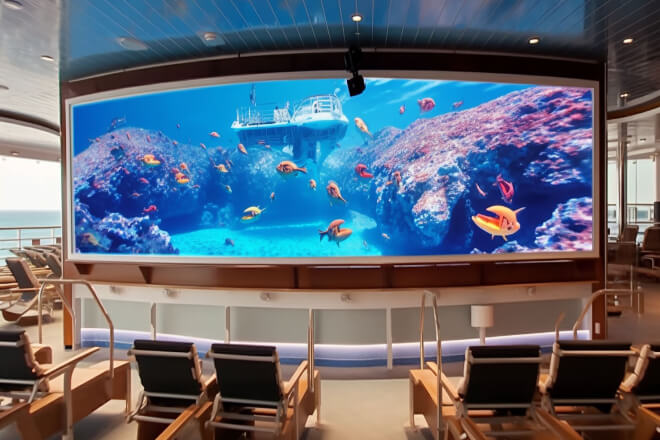
Electronic displays on cruise ships differ from display equipment in ordinary commercial spaces; they face a more complex operating environment.
High humidity, salt spray, strong light, and long-term operation at sea all place higher demands on equipment stability.
Therefore, the ability to operate reliably for extended periods is a key consideration for cruise ships when choosing an LED display system.
In open areas such as decks and pool areas, LED displays need to withstand direct sunlight, sea breezes, and humid air.
Inadequate protective design can lead to decreased brightness and component aging after prolonged use.
Therefore, LED systems for cruise ships typically require superior protection to withstand the unique marine environment.
Furthermore, outdoor areas demand higher display quality. In strong sunlight, insufficient screen brightness can make it difficult for passengers to see the content.
高い 輝度 ensures clear visibility of event information, destination announcements, and entertainment content throughout the voyage.
Besides environmental adaptability, stable operation is also a crucial factor for cruise operators.
Entertainment, information dissemination, and brand displays on cruise ships often utilize LED screens daily.
Frequent malfunctions not only impact passenger experience but also increase maintenance complexity.
Some international cruise brands prioritize the protection level, heat dissipation design, and long-term operational capability of LED display systems, rather than solely focusing on initial purchase price.
After all, repairing and replacing a screen installed on a ship is far more complex than on land.
For cruise ships, LED displays not only need to look good but also withstand the harsh marine environment.
A stable and durable display system is essential for long-term operation, ensuring passengers enjoy a consistently high-quality visual experience throughout the voyage.


 English
  Español
  简体中文
简体中文  Français
  日本語
日本語  한국어
한국어  العربية