
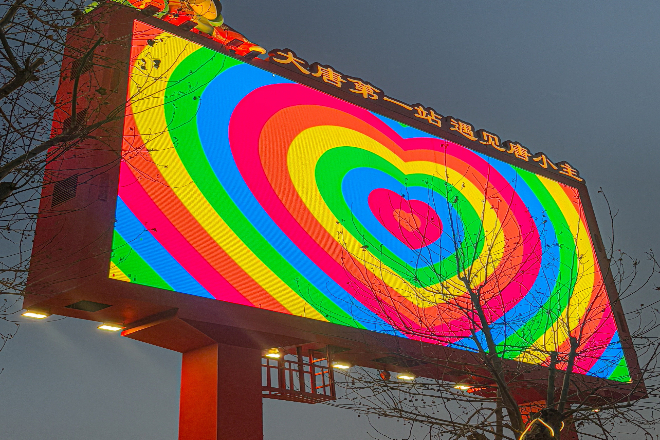
Many people believe that a successful Affichage LED project is simply about choosing a high-definition screen.
However, after actual use, they realize that the screen is just the beginning. The application scenario, installation location, content design, and post-installation maintenance all affect the final experience.
A good LED project relies on each element being well-matched.
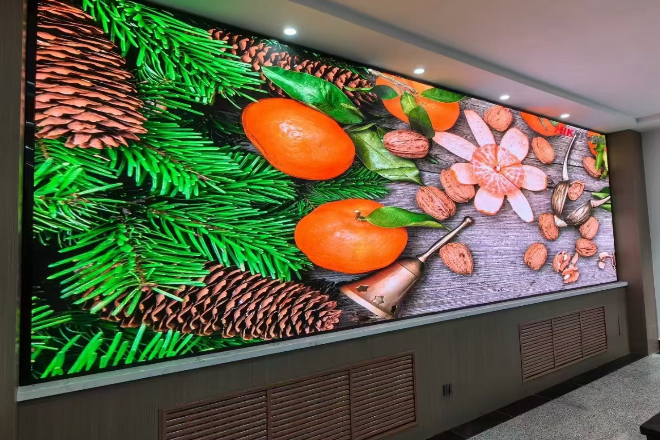
When choosing an LED display, many people’s first question is often, “How much does this screen cost?” But in reality, price is only one factor.
What truly affects the final effect is where the screen will be placed, who will see it, and what it will display.
An LED screen suitable for a centre commercial may not be suitable for a stadium;
A high-definition screen for a conference room may not be suitable for an outdoor advertising environment.
Different scenarios are like different “job positions,” requiring different capabilities.
For example, commercial spaces prioritize visual appeal, hoping to attract customers with engaging content;
Des sports venues require stable operation, ensuring spectators can clearly see scores, replays, and event information;
Conference settings emphasize image detail, ensuring clear presentation of content; and outdoor advertising demands higher brightness and stronger protection against environmental changes such as sunlight and rain.
Besides the usage scenario, viewing distance is also a crucial factor. Closer to the screen, viewers focus on image detail;
Greater distance necessitates consideration of overall coverage and viewing range.
Focusing solely on price can easily overlook these practical needs. The result might be a budget saving, but substandard display quality, even requiring later adjustments.
Therefore, the first step in choosing an LED display solution is not finding the “cheapest” product, but understanding “what it needs to accomplish.”
Finding a solution suitable for the scenario is essential to maximizing the value of each LED screen.
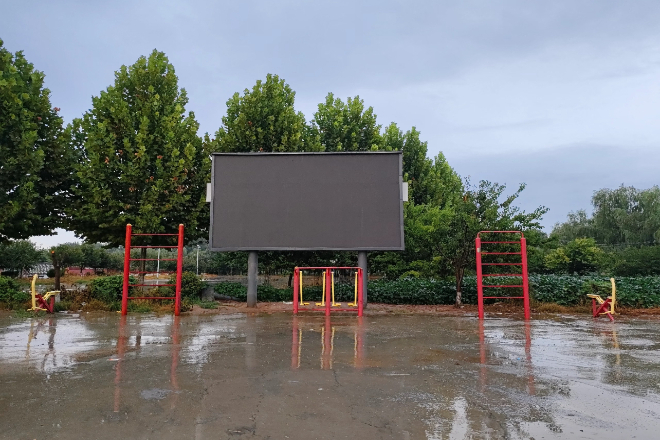
Many projects fall into a misconception when designing LED displays: believing that a larger screen equates to a more stunning visual experience.
However, in reality, a large screen that doesn’t match the space can actually negatively impact the overall experience.
For example, an overly large LED screen in a small meeting room might feel oppressive when viewed up close.
While an insufficiently sized screen in a large commercial plaza will struggle to become a visual focal point to attract foot traffic.
A truly good solution isn’t simply about maximizing size, but about ensuring the screen size perfectly suits the viewing needs.
Besides screen size, the installation environment is also a crucial factor to consider. Indoor spaces require attention to lighting, décor, and viewing comfort;
Outdoor scenarios must withstand sunlight, weather, and changes in ambient luminosité to ensure clear visibility at all times.
Furthermore, LED displays need to blend seamlessly with their surroundings. For instance, a large screen in a centre commercial can become the visual centerpiece of the atrium.
While building facade screens can be integrated into the building’s structure, allowing the content to interact with the architecture, rather than simply being installed.
Often, the effectiveness of an LED project depends not only on the screen itself, but also on its relationship to the entire space.
Appropriate size, a suitable angle, and a natural installation are essential for creating a comfortable viewing experience and enhancing the space’s appeal.
After all, an excellent LED display screen shouldn’t just be “a screen hanging there,” but rather an integral part of the spatial experience.
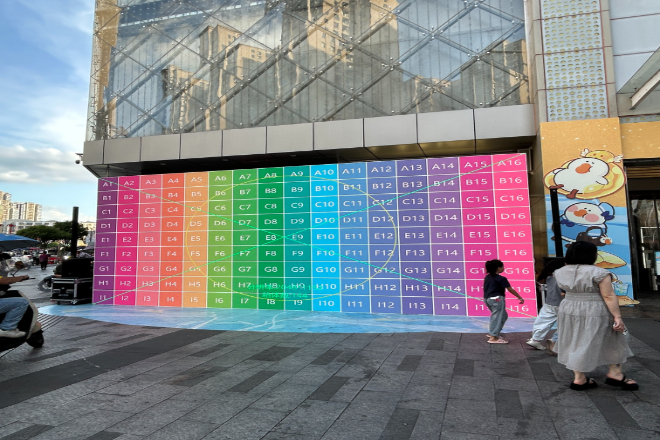
LED displays aren’t just devices bought to be displayed; they are digital display tools that “go to work” every day.
Especially in scenarios like centres commerciaux, aéroports, stadiums, and conference centers, the importance of product quality becomes increasingly apparent once the screen has been running for an extended period.
When many projects are first installed, the focus is often on whether the image is bright enough and whether the effect is impressive enough.
However, after a period of use, the real test is whether the screen can operate stably and continuously.
The core factors affecting the performance of an LED display screen include LED chips, the driver system, and the heat dissipation design.
The quality of the LED chips determines the consistency of the long-term display, avoiding problems such as uneven brightness and color deviation;
A stable driver system reduces operational anomalies; and a good heat dissipation design helps the equipment maintain better performance during long-term operation.
For example, outdoor advertising screens may need to withstand prolonged sunlight exposure.
Control centers need to operate continuously, and stadiums need to maintain stable display during important events.
If product reliability is insufficient, small problems can become major issues affecting the project experience.
Of course, the value of product quality goes beyond just reducing the number of malfunctions.
Stable operation means less maintenance time, lower operational pressure, and allows the project to continuously deliver its display and commercial value.
When choosing an LED display screen, instead of focusing solely on “how much it costs to buy,” consider “how much investment is needed over the next few years.”
A truly worthwhile investment screen not only boasts a stunning initial installation effect but also withstands the test of long-term use.
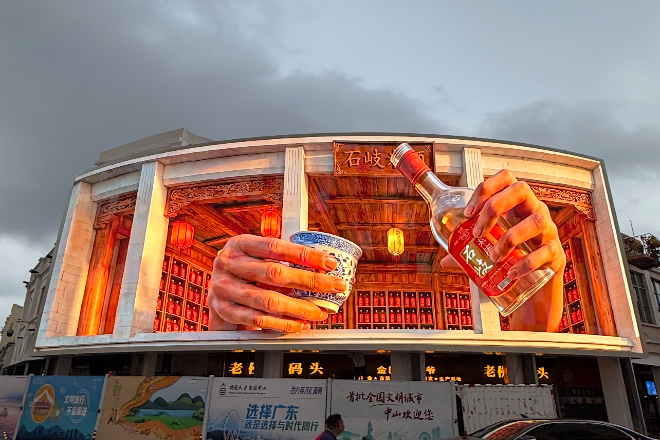
Many people believe that once an LED display screen is installed, the effects will naturally emerge.
However, in actual use, a common problem arises: the screen is large, and the image quality is excellent, yet it fails to deliver the expected appeal.
The reason is simple—hardware is merely the “organiser“; the content truly determines the expressiveness.
A large LED screen of tens of square meters that simply loops ordinary images or simple text every day is wasting its potential.
The greatest value of a large screen lies in creating a stronger visual experience, not simply enlarging content from a small screen.
Different scenarios require different content approaches. Centres commerciaux can use dynamic visuals to showcase brand activities and new product information, encouraging customers to stop and look for a few more seconds.
Sports venues can enhance the atmosphere by combining real-time game data, highlights, and interactive content.
Corporate showrooms can use videos, animations, and digital displays to make complex product information easier to understand.
Of course, content shouldn’t just focus on “showing itself.” If a screen is filled with advertisements from beginning to end, viewers will quickly lose interest.
Good content should strike a balance between brand expression and user experience, making people feel interested and valued, rather than simply being sold something.
Especially for large-scale LED projects, “playing small content on a large screen” is a common misconception.
The larger the screen size, the more creative and impactful the visual design needs to be to truly realize its value.
Ultimately, the competition in LED displays is not just about hardware, but also about content creativity.
A good screen, combined with suitable content, makes a space more attractive and ensures that brand information is truly seen and remembered.
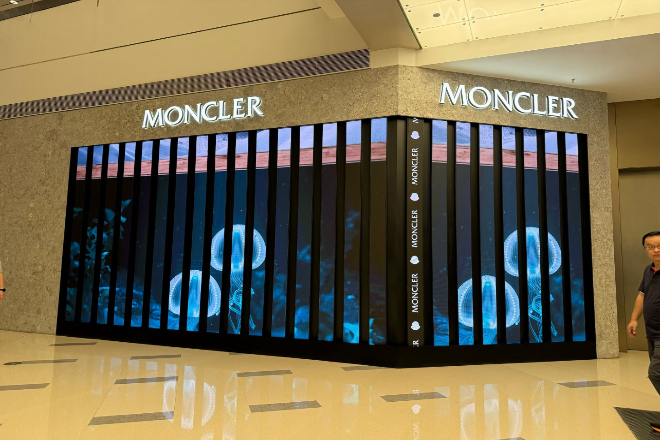
Many Affichage LED projects seem like “buying a screen,” but only after implementation do we realize that the screen is just one part of the overall project.
The smoothness of installation, the stability of the system, and the availability of maintenance all affect the final user experience.
From transportation to normal operation, an LED display screen involves many steps.
Professional installation and debugging ensure that the screen structure, safety, and display effects meet expectations, preventing construction details from affecting subsequent use.
Especially in large commercial projects, stadiums, or outdoor display scenarios, screens often need to operate for extended periods.
Inadequate initial installation can lead to image abnormalities, equipment malfunctions, and even operational disruptions.
Besides installation, long-term management and maintenance are equally important.
Remote management systems allow operators to easily update playback content, adjust display status, and promptly identify potential problems.
Fast after-sales support can also reduce downtime in case of emergencies.
After all, no one wants a valuable LED screen to fail during critical events or important moments.
Therefore, when choosing an LED display screen, it’s crucial to consider not only product specifications but also the supplier’s ability to provide comprehensive service support.
From project planning to long-term operation, a truly reliable partner should help customers utilize the screen effectively, not just sell it.


 English
  Español
  简体中文
简体中文  Français
  日本語
日本語  한국어
한국어  العربية