
Introducción
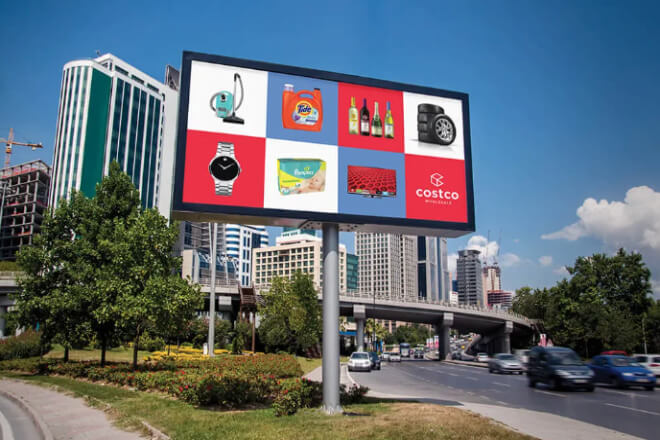
When it comes to urban digitalization, many people think of big data, artificial intelligence, or cloud platforms, but few pay attention to the increasingly common pantallas LED on the streets.
In reality, however, they are quietly undertaking more and more tasks—distributing information, connecting citizens, serving traffic, and making city operations more efficient.
Tabla de contenido
Method 1: Creating a Smart Transportation Information Platform

Now, when people go out, their biggest concern isn’t “how to get there,” but rather “which road is the fastest and if there are any parking spaces.” pantallas LED can inform everyone of this information immediately.
First, they can display real-time traffic conditions, bus, subway, and parking information. For example, traffic congestion ahead, the next bus’s arrival time.
And the number of available parking spaces in nearby parking lots can all be displayed directly on the screen, eliminating the need to switch between phones.
For example, when driving into a shopping district and seeing an LED screen indicating “Parking lot A is full, parking lot B has 85 spaces remaining,” many people will immediately change their route, saving themselves the trouble of queuing at the entrance.
Second, it helps improve the efficiency of citizens’ travel.
People can choose routes, transfer methods, or parking locations based on real-time information displayed on the screen, leading to smoother pedestrian and vehicle traffic.
Meanwhile, for management departments, LED screens are also part of smart transportation.
During large events, holidays, or temporary traffic adjustments, the latest information can be quickly disseminated, ensuring more people see it immediately.
For example, after a concert, the screen immediately displays temporary bus routes, subway operating hours, and recommended exit routes, preventing chaos at the venue.
Method 2: Improving the Efficiency of Public Service Information Dissemination
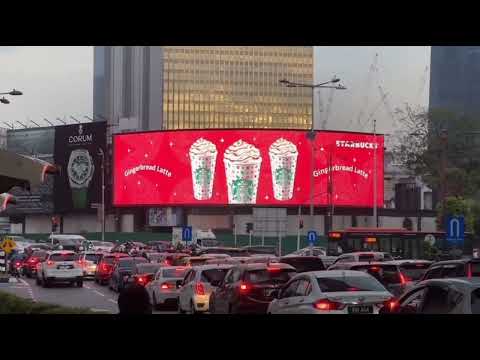
Now, when people go out, their primary concern isn’t “how to get there,” but rather “which road is the fastest, and are there any parking spaces?” LED displays can provide this information instantly.
Firstly, they can display real-time traffic conditions, bus, subway, and parking information. For example, information such as road congestion ahead.
The next bus’s arrival time, and the number of available parking spaces in nearby parking lots can all be displayed directly on the screen, eliminating the need to switch between phones.
For example, when driving into a shopping district, seeing an LED screen indicating “Parking lot A is full, Parking lot B has 85 spaces remaining” will prompt many to change routes, saving them from queuing at the entrance.
Secondly, it helps improve the efficiency of citizens’ travel.
People can choose routes, transfer methods, or parking locations based on real-time information displayed on the screen, leading to smoother pedestrian and vehicle traffic.
Simultaneously, for management departments, LED screens are also part of smart transportation.
During large-scale events, holidays, or temporary traffic adjustments, the latest information can be quickly disseminated, allowing more people to see it immediately.
For example, after a concert, the screen immediately displays temporary bus routes, subway operating hours, and recommended exit routes, preventing chaos at the venue.
Simply put, LED displays not only “disseminate information” but also help people avoid detours and queues, making travel easier.
Method 3: Promoting the Digital Operation of Urban Commercial Spaces

Now, when Centros comerciales, many people are attracted by the large LED screens at the entrance before even entering the store. A “moving” screen is often more likely to make people stop than a static poster.
Firstly, LED displays can be used for digital advertising displays in business districts and commercial complexes.
New product launches, brand advertisements, and limited-time offers can all be displayed through dynamic rotating images, which are more eye-catching than traditional posters and more likely to attract passersby.
For example, if a new product launch video suddenly plays on an LED screen as you pass by a shopping mall, many people will instinctively look up and glance at it, or even go inside to browse.
Secondly, event information and brand promotions can be updated in real time. Today it’s a new product event, tomorrow it’s member benefits, and the weekend it’s a holiday theme;
There’s no need to recreate materials, the updates can be made in the backend and played immediately.
For example, if a shopping mall adds a flash mob performance in the afternoon, the operations staff can synchronize the event preview to all LED screens in minutes, and shoppers will see it quickly.
Finally, it can stimulate urban consumption. Faster content updates and greater event exposure make it easier for customers to discover new brands and events, and they are more willing to stay longer and browse.
Method 4: Building a Smart City Visual Management System

Previously, much urban information was managed independently: traffic had its own platform, weather had its own system, and notifications were scattered in different places. Now, pantallas LED are connecting this information.
First, it can connect to the city management platform and data center. Information such as traffic, weather, emergencies.
And event notifications can be managed uniformly through the backend and then published to the corresponding LED screens according to the needs of different areas.
For example, during heavy rain, the management platform can publish information with a single click, and the latest reminders will be displayed almost simultaneously on large screens in subway stations.
Bus stations, and commercial plazas, eliminating the need for updates at each location individually.
Secondly, information from multiple departments can be displayed in a coordinated manner.
The transportation department can release road information, the culture and tourism department can release event notices, and the emergency department can release safety reminders;
Different content can be rotated on the same LED screen, making it more convenient for citizens to access information.
Even more interestingly, a single LED screen can automatically switch content according to different times of day.
For example, it can display road conditions and public transportation information during the morning rush hour, broadcast public services at noon.
And switch to cultural activities and public service announcements in the evening, playing different roles at different times.
Finally, this method can also improve the efficiency of urban operation and management.
Unified backend management and remote updates not only save maintenance costs but also make information dissemination faster and more accurate.
Method 5: Shaping a Digital City Image and Nighttime Economy

A city’s attractiveness at night often depends on whether it has “highlights.” LED displays are giving more and more cities their own “nighttime calling card.”
Firstly, city landmarks and cultural districts can use pantallas LED creativas to create more distinctive nighttime scenes.
Beyond simply displaying advertisements, LED displays can be used to design dynamic content that integrates local culture, festivals, or city characteristics, making landmark buildings more recognizable at night.
For example, during festivals, LED screens on building facades can switch to festival-themed animations, instantly enlivening the entire street and attracting many tourists to stop and take photos.
Secondly, LEDs can create digital landscapes and nighttime experiences. In plazas, pedestrian streets, and waterfront areas, LED displays combined with lighting and artistic content offer visitors a constantly evolving visual experience.
For instance, walking into a cultural district, an LED display art wall might play digital light and shadow effects to music, prompting many passersby to stop, take videos, and share them on social media.
Furthermore, these creative LED displays can be integrated with light shows, festivals, and New Year’s countdowns, making the city’s nights more vibrant and boosting the popularity of surrounding restaurants, Centros comerciales, and night markets.
Finally, for a city, good LED applications not only make the night view more beautiful but also create memorable landmarks.
Many tourists may not remember the name of a street, but they will remember “that really cool big screen.”
6. Conclusión
The digital transformation of cities is not just about upgrading backend systems; it’s reflected in every visible detail.
LED displays deliver city information to people more quickly, making management more efficient and services more timely.
As smart cities continue to develop, their role will extend from “displaying content” to “connecting the city.”
Finally, if you would like to learn more about LED displays, Por favor póngase en contacto con nosotros.


 English
  Español
  简体中文
简体中文  Français
  日本語
日本語  한국어
한국어  العربية