
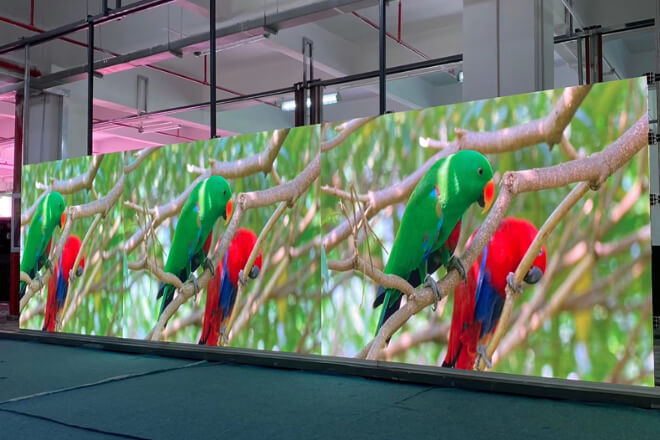
If we consider a 小型LEDディスプレイ as a “continuously operating system,” then heat is essentially a “byproduct” of its operation, mainly originating from several key components, which are not complicated to understand:
First, the primary heat source is the LED chips themselves. When the chips emit light, they don’t convert all electrical energy into light; some is naturally converted into heat.
Especially when the brightness is increased, and the image is more “laborious,” the chips’ workload increases.
And the heat becomes more noticeable, just like the brighter the light, the more heat it generates.
Secondly, the driver 電源 and circuit modules also “incidentally” generate heat. During the current conversion and signal driving, some energy loss occurs.
This energy isn’t directly converted into display effects but is released as heat, which is considered “normal consumption” during system operation.
Simultaneously, the control system also generates a small amount of heat during continuous computation and signal processing.
Although the power consumption of a single control unit is not significant, it contributes to the overall heat generation during long-term system operation.
Furthermore, heat generation is more noticeable in high-輝度 or high-load scenarios.
For example, when higher brightness is needed to combat ambient light, the entire screen operates at a higher capacity, with all modules working overtime, naturally increasing heat output.
Simply put, the heat generation of a small-pitch LED display is like that of a constantly running device:
The light-emitting part is the main force, the power supply and control work in tandem, and the heat is the “energy trace” left by all these processes.
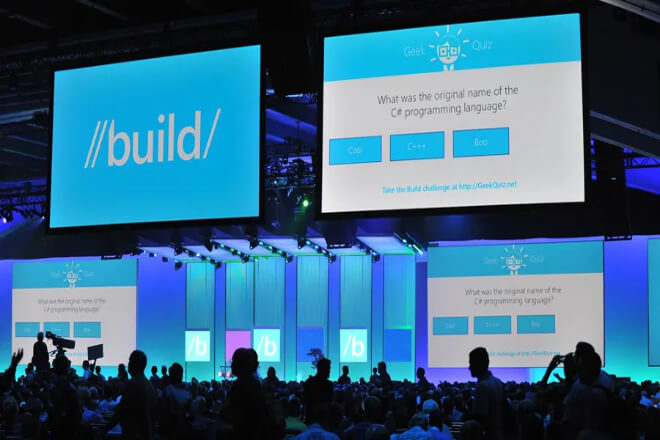
The heat generation of a small-pitch LED display is similar to human body temperature, varying with the environment and activity level, exhibiting different characteristics in different scenarios.
First, indoor conference rooms or command centers are like people working long hours in an office.
The screen is always on, but the 輝度 is moderate, the heat generation is stable, and the temperature is controllable.
As long as ventilation is good, it can remain stable and will not accumulate too much “heat stress.”
Second, 展示 halls or commercial settings are more like sprinters: the screen only lights up when there are visitors or events, resting otherwise.
Heat generation fluctuates “intermittently,” rising rapidly for short periods but then cooling down, making it less prone to overheating.
Then consider the 24/7 operation of a monitoring center, which is like a marathon runner.
Constant operation leads to continuous heat accumulation, requiring extremely high levels of heat dissipation and stability.
Even a slight deficiency in the heat dissipation design can easily cause the screen to “overheat,” affecting its lifespan and display quality.
Finally, ambient temperature is also crucial. In hot weather, the screen is prone to overheating; in a cool environment, heat dissipation is smooth, and the screen is much more comfortable.
In short, the “body temperature” of a small-pitch LED screen varies with usage intensity and environmental changes.
Understanding these differences helps us design better heat dissipation solutions, allowing the screen to perform like an athlete—both capable of intense work and avoiding “heatstroke.”
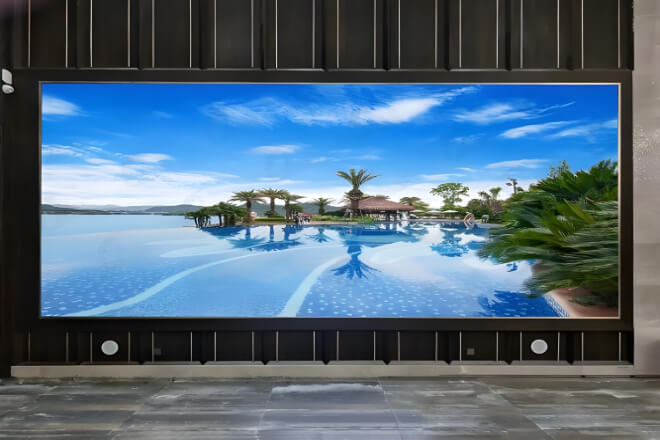
While heat generation is unavoidable in small-pitch LED displays, clever design and management can ensure they are both “bright and cool,” guaranteeing long-term stable operation.
First, optimize the internal structure for heat dissipation. A well-planned airflow path within the screen allows heat to escape smoothly.
essentially creating “miniature air ducts” inside the screen to help hot air quickly leave the working area.
Second, combine heat dissipation materials with airflow design.
High thermal conductivity materials, heat sinks, fans, and the installation of built-in air conditioning can improve heat conduction and dissipation efficiency.
allowing heat-generating modules to cool down quickly and preventing heat buildup.
Simultaneously, control 輝度 appropriately to reduce load. While excessive brightness provides a better display effect.
it also means the LED displays and circuitry have to work harder, increasing heat generation.
Through intelligent brightness adjustment, the screen maintains an appropriate brightness in different environments, ensuring visual quality while reducing thermal load.
Finally, maintain good ventilation and spacing between devices. Ensuring airflow around the screen and avoiding placing the screen directly against a wall or stacking it allows hot air to dissipate smoothly, preventing localized overheating.
In simple terms, heat dissipation and temperature control for 狭ピッチLEDディスプレイ are like providing airflow and heat sinks for a “hardworking little factory.”
allowing it to operate continuously without overheating and maintaining stable and efficient performance over long periods.
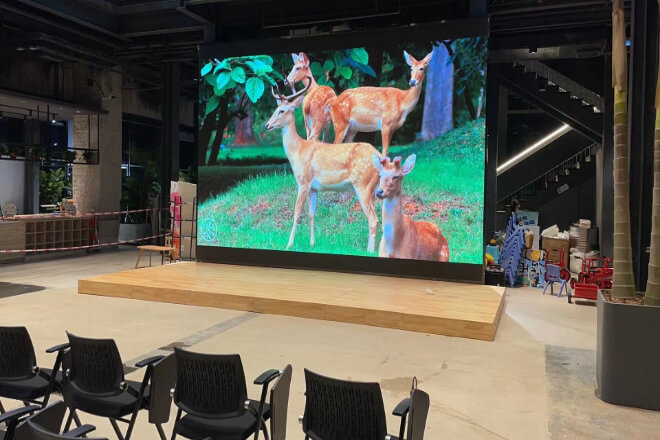
Prolonged heat generation in 狭ピッチLEDディスプレイ is somewhat like someone working overtime continuously in the summer—it might be okay for a short time, but problems will arise over time.
First, excessive temperature can affect stability. The electronic components inside the screen are like “overtime employees.”
And excessive heat can easily cause minor issues such as image flickering, signal fluctuations, or even minor “shutdowns.”
Second, prolonged high temperatures accelerate component aging. LED beads and power modules are like employees working long hours and under heavy loads, shortening their lifespan and causing the equipment to age faster over time.
Simultaneously, image consistency and display quality can also be affected. Uneven heat dissipation in different areas can lead to differences in brightness or color deviation, making the originally uniform image look “unpleasant.”
Therefore, maintenance and temperature control management are crucial.
Proper heat dissipation, 輝度 control, and ventilation are like providing the screen with a fan, water, and rest – ensuring stable operation.
and extending its lifespan, allowing it to maintain its brilliance even under heavy workloads.
Simply put, controlling the temperature is like “cooling down” the LED screen, allowing it to work efficiently and beautifully for extended periods.
 English
  Español
  简体中文
简体中文  Français
  日本語
日本語  한국어
한국어  العربية