
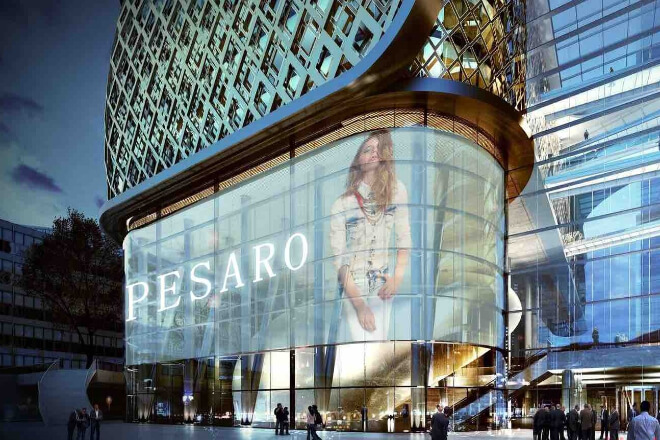
In many projects, you might ask, Why choose ‘architectural customization’ LED displays instead of directly purchasing standard screens? The reason is simple: the structure, function, and facade design of each building are different.
Using standard screens directly often makes it difficult to maximize the display effect and may even result in misaligned splicing, incorrect image proportions, or negative impacts on the building’s aesthetics.
Customized screens are not just about aesthetics; they also relate to safety, installation efficiency, and long-term maintenance.
For example, in the lobby of a commercial complex, if the screen size doesn’t match the building facade, the installation process will be very troublesome and may even pose safety hazards.
Custom-designed LED screens can be manufactured entirely according to architectural designs, ensuring both optimal image quality and ease of installation and maintenance.
For example, outdoor facade advertising screens, if installed haphazardly without considering architectural features, can suffer from wind pressure and waterproofing issues that affect their lifespan.
Custom-designed screens take these factors into account during the design phase, making them more durable and safer.
Simply put, architectural customization integrates the display screen with the building, not only achieving optimal results but also reducing construction difficulty, lowering maintenance costs, and making the entire project more reliable.
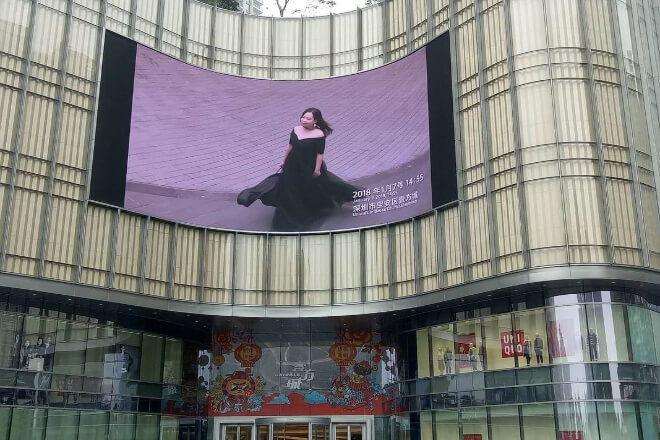
Before customizing an LED display, the first step is to understand the building’s characteristics.
Each building’s facade, shape, and structure are different, directly determining how the screen should be designed and installed. Otherwise, uneven images or installation difficulties can easily occur.
Let’s first discuss the building’s facade materials, curves, and shapes. Different materials and curves require different screen bonding methods.
For example, with glass curtain walls or curved facades, using a standard screen directly may result in uneven seams or image distortion.
Custom-designed screens allow for bracket and splicing methods tailored to the facade’s curvature and materials, seamlessly integrating the screen with the building for a professional and aesthetically pleasing look.
Next, consider the viewer’s perspective and 視聴距離. The screen’s pixel pitch must be chosen based on the viewing distance.
Large screens in ショッピングモール lobbies, viewed at close range, require a smaller pixel pitch to ensure clear text and images.
Outdoor advertising screens, typically farther from the audience, can benefit from a larger pixel pitch, maintaining clarity while saving costs and energy.
The building’s structural load-bearing capacity and installation method are also crucial. High-rise facades or mounting locations have limited load-bearing capacity; excessively heavy screens not only hinder installation but also pose safety hazards.
In such cases, lightweight design or modular screen installation is necessary, ensuring safety, reliability, and ease of maintenance and repair.
For example, when installing advertising screens on high-rise exterior walls, a modular design reduces the weight of each screen while maintaining overall image continuity.
Finally, the building’s function and usage scenario must be considered. Outdoor plaza screens require high 輝度, waterproofing, and dust resistance to withstand strong sunlight, rain, and dust.
While indoor 展示 hall screens can have moderate brightness, they require high color reproduction and dynamic image quality to ensure more vivid content.
Customizing parameters based on the actual usage scenario ensures long-term stable operation and optimal visual effects.
In general, understanding the building’s characteristics is the first step in customizing an LED display screen.
Only by clearly considering the facade material, viewing distance, load-bearing capacity, and usage scenario can the screen be safe and reliable.
While presenting the best effect, seamlessly integrating the building and the display screen for a professional and aesthetically pleasing look.
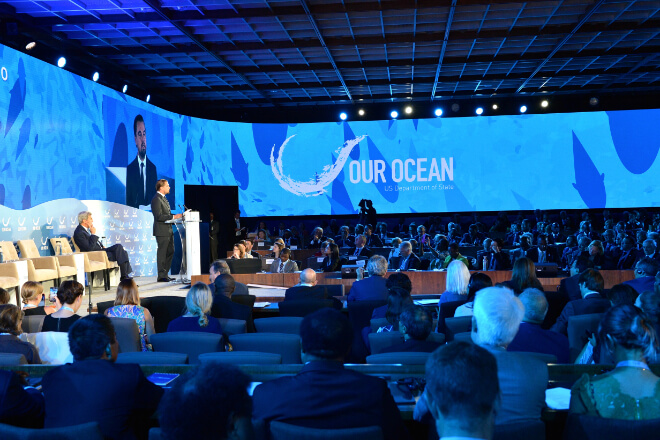
In addition to understanding the building’s characteristics, the second step in customizing an LED display screen is designing the screen’s size and shape based on the architectural space.
Different space types have different requirements for the screen; the design needs to fully consider ceilings, walls, and even curved or irregular shapes.
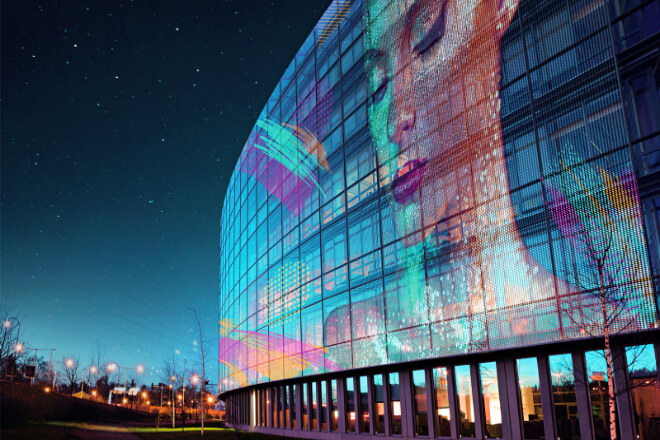
When customizing an LED display, three things are particularly important: pixels, brightness, and protection.
These are all indispensable. They directly determine the screen’s appearance and its longevity.
1) ピクセルピッチ
Pixel pitch must be selected based on viewing distance. For indoor screens viewed at close range, a smaller pixel pitch is needed for clear text and details.
For outdoor advertising or screens viewed at a distance, a larger pixel pitch can be chosen, providing sufficient clarity while saving cost and energy.
For example, on a large screen in a shopping mall lobby, if the pixels are too coarse, the image will appear blurry.
2) 輝度 and Light Control
Brightness and light control design are also crucial. Outdoor screens need to be bright enough to withstand direct sunlight while also having automatic dimming functionality to avoid glare at night.
Indoor screens can have moderate brightness, but must still ensure clear images during the day or in complex lighting environments.
3) Protection Rating
Outdoor screens must be waterproof, dustproof, and windproof. For example, screens installed in plazas or on curtain walls are easily affected by rain, dust, or strong winds if not properly protected, leading to long-term unusability.
4) Heat Dissipation and Power Supply Layout
Screens operating for extended periods also require good heat dissipation and a reasonable power supply layout.
Poor heat dissipation can easily cause overheating, resulting in decreased brightness or even damage.
An unreasonable power supply layout will also affect the stable operation of each module.
For example, in the high temperatures of summer, large outdoor screens with good heat dissipation can still operate continuously for several months without problems.
In general, pixels, brightness, and protection are all indispensable. Only by considering all three can LED screens be both safe and aesthetically pleasing in various architectural environments, and have a long service life.
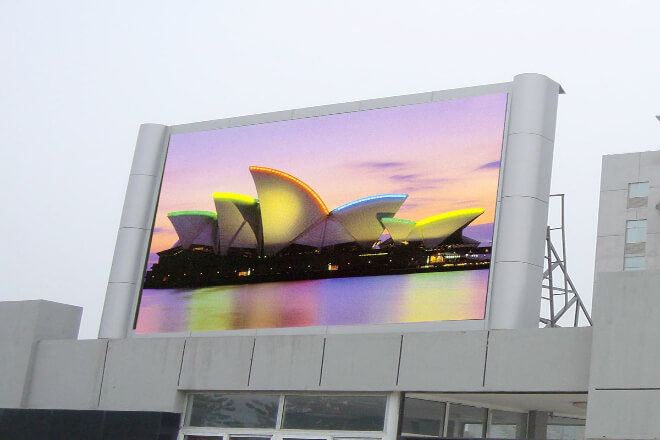
1) Installation Methods
There are several installation methods for screens: wall mounting, embedding, bracket mounting, or suspension. Different buildings require different methods.
For example, curtain wall screens are usually wall-mounted or embedded, but if the external wall has limited load-bearing capacity, bracket mounting or segmented suspension is necessary to ensure stability and safety.
2) Coordination with the Construction Team
Screen installation requires close coordination with the construction team and careful scheduling.
During shopping mall renovations, screens typically can only be installed after the main structure is completed, but this cannot interfere with subsequent decoration or acceptance. Poor coordination can easily delay progress.
3) Building Structure and Safety
Some locations have limited load-bearing capacity, so the building structure may need reinforcement before installation.
And a safety assessment must be conducted to ensure the screen will not pose a safety hazard while hanging on the wall long-term.
This step is especially crucial for large outdoor or curved screens.
4) Debugging and Acceptance
After installation, the screen must be debugged and accepted. For curved walls or screens with staggered structures.
The position and brightness of each module need to be adjusted to ensure a flat image, uniform color, and optimal final effect.
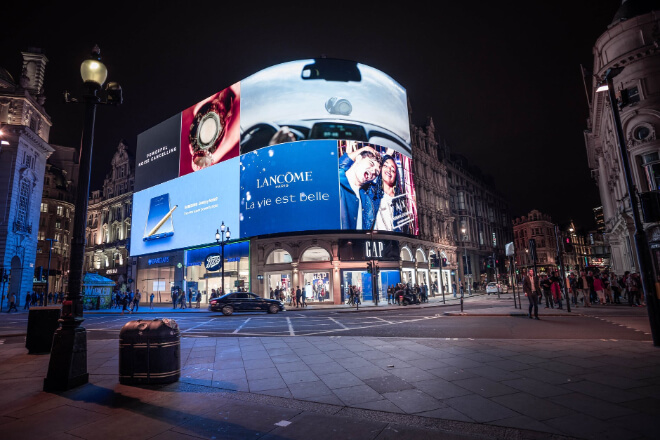
1) Supplier’s Design Capabilities and Engineering Experience
Selecting a supplier should not only focus on the price but also on their design capabilities and construction experience.
For example, some suppliers specialize in indoor curved screens but lack experience in large outdoor curtain wall screens, which may lead to installation difficulties.
1) Good Suppliers
A good supplier can propose feasible solutions based on the building’s characteristics, ensuring the screen is both aesthetically pleasing and stable.
2) Customization Cases and Customer Testimonials
Reviewing a supplier’s previous projects and customer reviews is a good way to assess reliability.
For example, a larger number of successful projects in similar buildings indicates extensive experience with similar environments and challenges, reducing risk.
3) Full-Process Technical Support
Customized LED screens involve design, production, transportation, installation, and commissioning, each stage crucial.
Suppliers providing full-process support from design to construction ensure smooth workflow, preventing delays or substandard results.
4) After-Sales Service and Long-Term Maintenance
Installation is just the beginning; long-term maintenance is also essential. High-quality suppliers offer regular inspections, rapid fault response, and maintenance guidance to ensure long-term stable operation.
For example, for screens in large shopping malls or plazas, without comprehensive after-sales service, repair costs and time can be very high if problems arise.
In short, successfully implementing a customized LED screen involves more than just buying a screen.
It requires choosing an experienced supplier with excellent service and the ability to manage the entire process. This ensures the screen is safe, aesthetically pleasing, and reliable in the long term.
 English
  Español
  简体中文
简体中文  Français
  日本語
日本語  한국어
한국어  العربية