
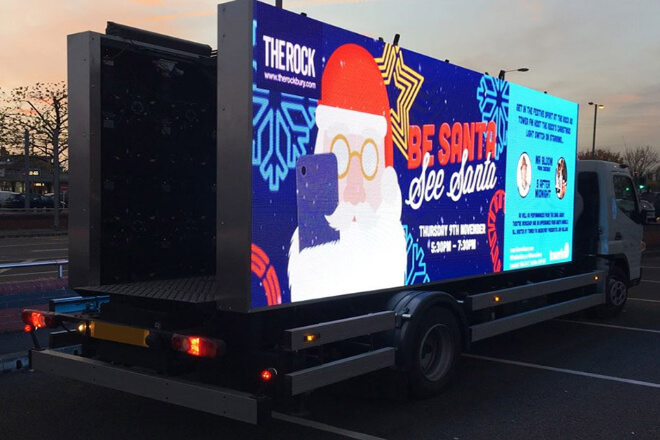
Mobile truck LED displays are like “street parkour masters” in the advertising world, able to appear in front of crowds anytime, anywhere, delivering brand information to everyone.
First, they loop content in densely populated areas. Whether it’s a commercial street, subway entrance, or plaza.
They can pinpoint peak traffic times, placing advertisements in front of the most people, like taking center stage at the most exciting party.
Second, dynamic visuals grab attention. LEDスクリーン can display videos, animations, and even interactive content.
Making them more engaging than static truck advertisements, compelling passersby to take a second look and easily attracting attention.
Furthermore, their flexible routes cover key areas of the commercial district. Unlike fixed billboards that are confined to one place.
Mobile truck LED screens can roam freely through the streets, precisely reaching the target audience and maximizing brand exposure.
Finally, they offer high-density exposure even in short periods. Multiple loops combined with dynamic effects ensure that even a few minutes of exposure can leave a lasting impression, achieving a “screen-bombing” effect.
In short, mobile truck LED screens are “moving eye-catching tools,” making advertising in commercial areas both efficient and engaging, not just about exposure, but about bringing the brand to life.
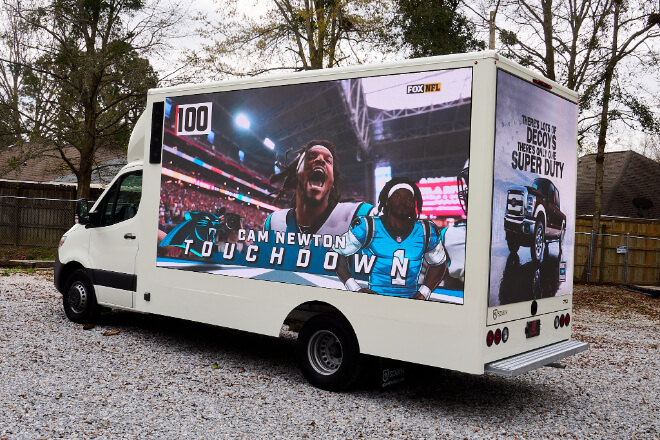
Mobile truck LED displays are like “mobile ステージ with their own aura,” not just playing content, but also gradually building up the atmosphere of the event.
Firstly, they are used for events such as openings and press conferences. Event venues often need a sufficiently eye-catching visual element to establish their presence.
Mobile LED trucks can be parked directly at the entrance or surrounding areas, looping brand promotions, opening information, or press conference content, ensuring the event has a strong presence from the start.
Secondly, they can create a visual focal point by complementing the event environment.
Whether day or night, dynamic visuals can create an eye-catching focal point within a space, seamlessly integrating with lighting, decorations, and crowds.
This adds depth and visual interest to the entire event area, making it more noticeable.
Furthermore, it generates buzz and attracts attention from the surrounding area. Trucks can cruise through commercial districts, streets.
Or surrounding roads, playing announcements and “exposing” the event to potential attendees beforehand. This builds awareness and prepares the ground for a large crowd.
Finally, it enhances event visibility and engagement. When people are drawn to the dynamic visuals as they pass by, combined with interactive content.
They are more likely to stop and participate, transforming the event from simply being seen into being actively engaged.
In short, mobile truck LED displays are more than just a display tool; they act as mobile nodes that generate buzz, bringing atmosphere, traffic, and attention to the event.
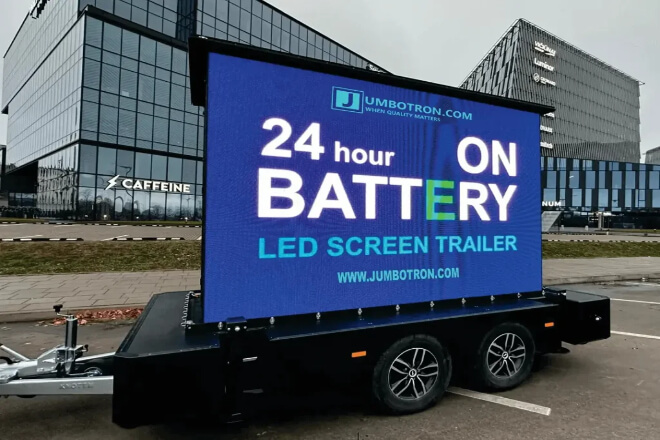
Mobile LED truck displays act like a “mobile roadshow team,” unrestricted by fixed locations, allowing for a continuously expanding reach and increasing brand visibility throughout the city.
First, cross-regional mobility enables multi-point dissemination. A single truck can switch between different business districts, office buildings, school areas.
And even transportation hubs, delivering the same content to multiple locations, achieving continuous exposure from point A to point B, rather than simply remaining in one spot “waiting for passersby.”
Second, it covers diverse demographics and regions. Different regions have different demographics, such as white-collar workers, students, and families.
Through route planning, mobile LED trucks can strategically appear in scenarios where different groups congregate.
Ensuring the brand is seen by a wider audience, rather than being limited to a single demographic.
Furthermore, continuous movement creates cyclical exposure. The trucks can repeatedly travel along predetermined routes, creating a “see you again” effect in the same business district or core urban area.
Ensuring passersby are repeatedly exposed to the brand information, transforming “accidental glimpses” into “repeated exposures.”
Finally, it enhances the breadth of brand communication. Compared to fixed advertising locations, mobile trucks offer the advantage of flexibility and wider reach.
Transforming limited display resources into broader reach and upgrading roadshows from “point-based exposure” to “linear + area coverage.”
Overall, it’s like “loading” roadshow content onto a vehicle, constantly moving and appearing throughout the city, allowing more people to see, remember, and even develop interest in the brand.
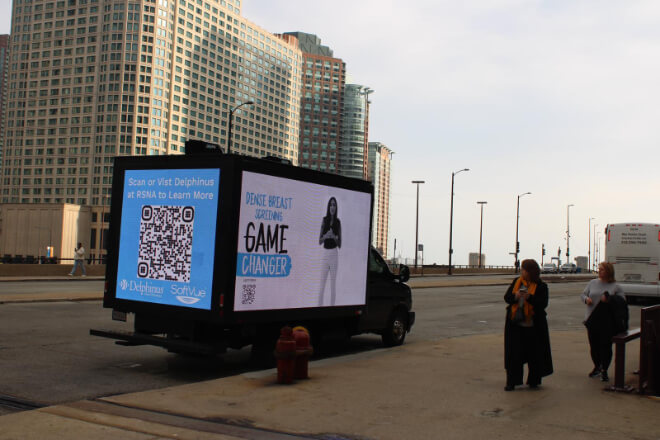
Mobile truck LED displays are like “mobile hunters” in the advertising world, not only grabbing attention.
But also converting passersby’s attention into actual action, ensuring that exposure directly yields results.
First, they display key information about stores and events. The visuals directly tell passersby “what you can get and where.”
Making it easier to capture their fleeting attention than leaving them to guess, like handing them a ready-made card.
Second, they guide users to designated locations. With concise route prompts, landmark information.
Or action guidance, viewers clearly know “where to go next,” like an advertisement leading them step-by-step to the store entrance.
Furthermore, promotional information encourages visits. Limited-time discounts, on-site benefits, and exclusive events spark a “it would be a shame to miss it” mentality in passersby, turning interest into motivation.
Finally, it streamlines the exposure-to-conversion path. The mobile LED truck generates attention, while information presentation.
And guidance seamlessly connect that attention, forming a closed loop of “seeing—being interested—taking action.”
In short, it’s not just an eye-catching presence on the street, but also a helpful guide that turns passersby into customers, generating direct results from exposure—fun and efficient.
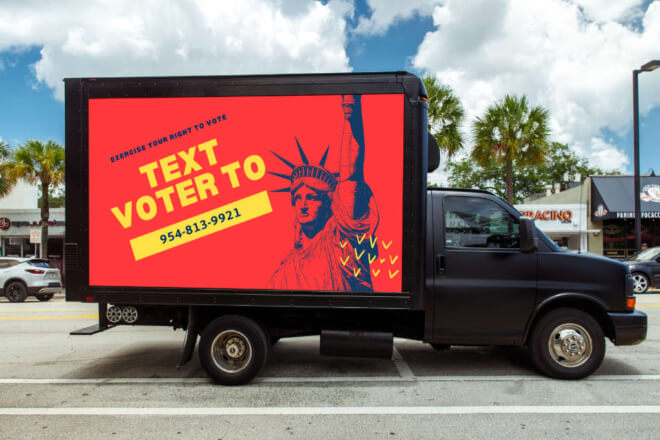
Mobile truck LED displays are more like a “patrol player who understands pedestrian flow.” When to appear and where to go are crucial; the right strategy can double the effect.
First, the approach should be different during the day and at night. During the day, with strong lighting, content can be presented clearly and directly, highlighting key information.
At night, the lighting environment is more conducive to visual appeal, allowing for more dynamic and visually striking images to attract attention.
Each approach offers its own advantages.
Secondly, target peak hours. Commute times, lunch breaks, and weekend shopping are peak times for people, acting as “traffic windows.”
Trucks appearing during these times have significantly higher exposure efficiency than running back and forth during quieter periods.
Furthermore, routes should follow pedestrian flow. Focus on areas with high population density, bustling activity, and frequent routes.
Instead of evenly distributing traffic, linger and circulate more in key areas to maximize visibility.
Finally, coordinate timing and route. For example, target office areas in the mornings and evenings, and shift to shopping districts or consumer areas at lunchtime or on weekends.
Combine “where to go” with “when to go” to make each trip more valuable.
Overall, it’s not simply about “circling” the city; it’s about appearing rhythmically and selectively, turning limited travel time into higher-quality exposure.
 English
  Español
  简体中文
简体中文  Français
  日本語
日本語  한국어
한국어  العربية