
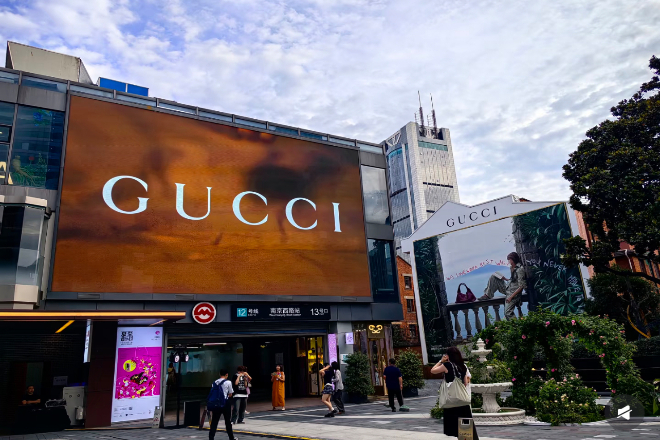
Many Affichage LED projects look great immediately after installation.
However, after a while, some screens are rarely used, even becoming mere “decorative” elements in the space.
The problem is often not that the screen is bad, but rather that the initial planning wasn’t clear: who is this screen intended to serve, and what problem is it meant to solve?
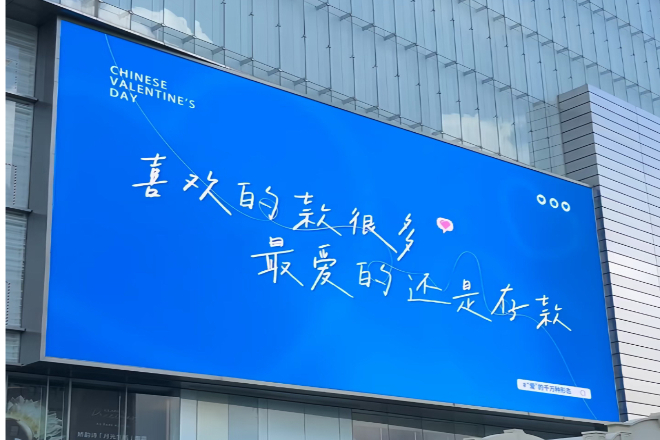
Many Affichage LED projects share a similar problem: they look stunning upon installation, but after a period of use, they find they aren’t as “useful” as initially imagined.
The reason is often not that the screen is bad, but rather that the initial planning failed to clearly define—what problem is this screen meant to solve?
Some projects, in pursuit of visual appeal, determine the screen size and installation location first, neglecting the actual usage scenario.
For example, commercial spaces hope to attract customers with a large screen but fail to plan for content updates;
Corporate showrooms need to showcase product advantages but choose configurations unsuitable for close-up viewing;
Outdoor projects aim to increase exposure but don’t consider the display effect at different times of day.
Furthermore, focusing only on the effect on the day of installation is a common pitfall for many projects.
LED displays aren’t just about installation and a photo shoot; they require long-term operation and continuous content updates.
If daily management, maintenance, and usage frequency aren’t considered upfront, subsequent operation can become quite troublesome.
The suitability of a screen isn’t determined by its size or price, but by whether it truly serves the space’s needs.
Before a project begins, clearly defining the intended use, distance de visualisation, displayed content, and operational methods is crucial to avoid situations where it “looks impressive but is inconvenient to use.”
A good LED display solution isn’t just about placing the screen in a space, but about integrating it into the space and continuously creating value.
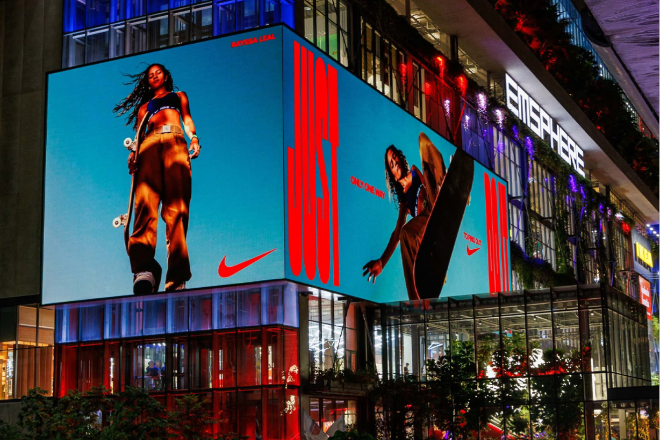
Many LED displays have a “highlight moment”: immediately after installation, everyone finds it novel; passersby stop to look, and employees marvel at the effect.
However, over time, if the same content is played every day, even the best screen can gradually become “unremarkable.”
This is a problem many projects easily overlook—the screen is installed, but content operation doesn’t keep up.
For example, a large LED screen in a centre commercial might be very attractive when initially playing brand promotional videos, but after a few months, customers have seen it countless times.
Similarly, content displayed in a company showroom, if not updated for years, will struggle to reflect the brand’s evolving needs.
Ultimately, a screen intended to be a highlight of a space might become something that’s “always lit, but nobody notices.”
The true value of an LED display screen lies not just in displaying content, but in continuously providing new experiences.
Updating the visuals based on holidays, events, seasonal changes, or brand promotion needs is crucial to keeping the screen fresh.
For instance, shopping malls can change their themes for promotional activities, des sports venues can update in real-time to match events, and public spaces can display the latest information.
Of course, continuous updates require someone to be responsible. Without personnel for content creation, management, and operation.
Many screens will eventually face the same problem: not that they can’t update, but that they don’t know what to update.
The lifecycle of an LED display screen shouldn’t end with “installation completion.”
Only by continuously optimizing the content and allowing the screen to adapt to changing scenarios and needs can it truly transform from a display tool into a long-term, valuable spatial asset.
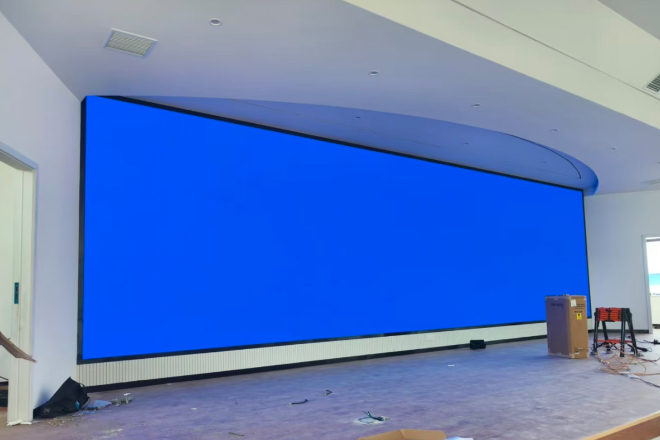
Many LED display projects suffer from an easily overlooked problem: the screen itself is fine, but the placement is inappropriate. The result is “playing every day, but few people actually see it.”
Un Affichage LED isn’t just about installing it on a wall; it needs to be integrated with pedestrian traffic, line of sight, and the usage scenario.
For example, a large screen in a centre commercial, if installed in a corner with low foot traffic, will struggle to attract customers even when playing engaging content;
Screens located at entrances, atriums, or rest areas are more likely to become visual focal points for consumers.
Distance de visualisation and angle are equally important. If the screen is too close to the audience, the overall effect may be compromised; if it’s too far, the visual appeal may be diminished.
If the height and angle aren’t planned well, users may even need to consciously search for a viewing position, which reduces the screen’s presence.
Furthermore, different scenarios require different installation logic. Conference rooms need to consider the viewing experience of all participants.
Des sports stadiums need to cover audiences in different areas, and outdoor advertising screens need to ensure they quickly capture attention even from a distance.
Therefore, choosing the location for an LED display is not just a construction issue, but also an experience design issue.
A good installation plan isn’t simply about finding a place to “put the screen,” but rather a location where “users will naturally see it.”
Integrating the screen into the space is crucial for it to truly realize its display and communication value.
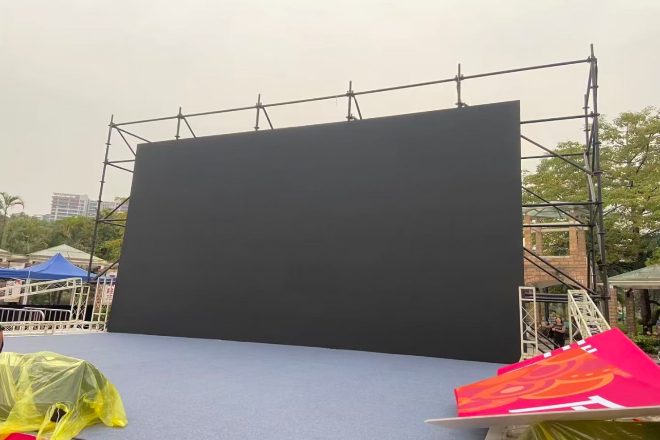
Many LED display projects have experienced this: initially, the effect is stunning, and everyone feels the investment was worthwhile.
However, after a period of use, if the image quality deteriorates or malfunctions increase, the original “visual highlight” may gradually lose its appeal.
The problem often lies in the product’s performance not truly matching the usage environment.
For example, outdoor advertising screens need to face direct sunlight; if the luminosité is insufficient, the content may not be clear during the day.
High-definition display screens in commercial spaces will also struggle to achieve the desired effect if the clarity and color performance are poor.
Besides display quality, stable operation is equally critical. LED displays typically operate for extended periods, especially in scenarios like centres commerciaux, aéroports, et stades.
Frequent blackouts, color differences, or module failures not only affect the viewing experience but also increase maintenance burden.
Even more problematic is that when the screen frequently requires repair or its performance is unstable, operators may gradually reduce its usage frequency.
Originally intended to attract customers and enhance the ambiance, it ended up being a device that was only “occasionally turned on.”
Therefore, when choosing an LED display screen, one shouldn’t only consider how beautiful it looks when it first lights up, but also whether it can maintain the same performance years later.
A truly valuable LED screen is not just about being eye-catching on the day of installation, but also about withstanding long-term use and functioning stably in daily operations.
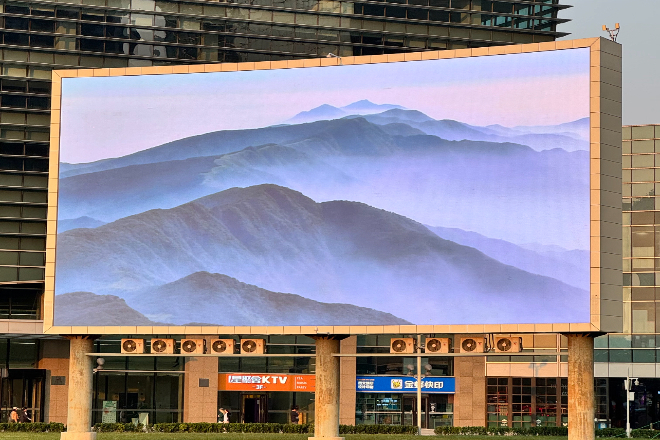
Many companies focus on screen size, image quality, and installation effect when installing LED displays, but easily overlook a more important question: how will it be used after installation?
Without a clear operational strategy, even the best Affichage LED screen may just be a “glowing background.”
For example, large screens in commercial complexes, if they don’t update their content in conjunction with brand promotion, holiday events.
And the mall’s operational rhythm, will find it difficult to continuously attract customer attention; corporate showrooms.
If they only play fixed promotional videos, will struggle to showcase new brand changes and product advantages.
The greatest value of an LED display screen is not playing the same content every day, but constantly creating new opportunities based on the scenario.
LED displays can be used for promotional activities, showcasing new products, releasing real-time information, and even enhancing user engagement through interactive content.
Furthermore, long-term operation requires advanced planning. When to update content? What information to display?
How to adjust playback strategies based on foot traffic and events? These factors all affect the final effect of the screen.
Many projects don’t fail because they “don’t have a good screen,” but because they haven’t truly operationalized it.
Installation is just the beginning; continuously creating content and value is key to the effectiveness of LED displays.
An excellent LED display shouldn’t just be a decoration in a space, but a long-term tool to help brands attract attention, enhance the experience, and create business opportunities.


 English
  Español
  简体中文
简体中文  Français
  日本語
日本語  한국어
한국어  العربية