
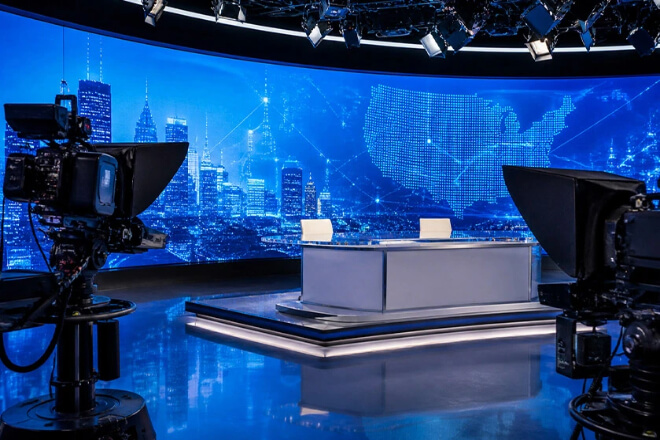
Before a performance begins, the first thing audience members do after taking their seats is often not to look at the program, but to see if the stage is “impressive” enough.
An ordinary backdrop might only be part of the stage, but a large LED screen can directly transform the entire stage into a dynamic visual space.
LED displays can create large-scale, dynamic organiser backdrops, freeing the visuals from fixed decorations.
For example, during a concert, when a singer performs a ballad, the screen can switch between starry skies, cityscapes, or natural scenes;
During the climax, it can display dynamic light and shadow effects in sync with the rhythm, instantly raising the atmosphere.
In brand launches or corporate events, LED screens can also become the “visual protagonist” of the stage.
When new products are launched, high-definition animations can showcase product details;
At corporate annual meetings, employee stories and year-end reviews can be played, enriching the stage content.
Simultaneously, Afficheurs LED can coordinate with lighting and music.
When the visuals, lighting, and stage rhythm change in sync, the audience experiences more than just “seeing a screen”—it’s an immersive stage experience.
After all, the audience’s memory of an event often comes from the visual impact of the opening seconds.
A good LED stage solution ensures that the audience knows from their first glance that the event is worth looking forward to.
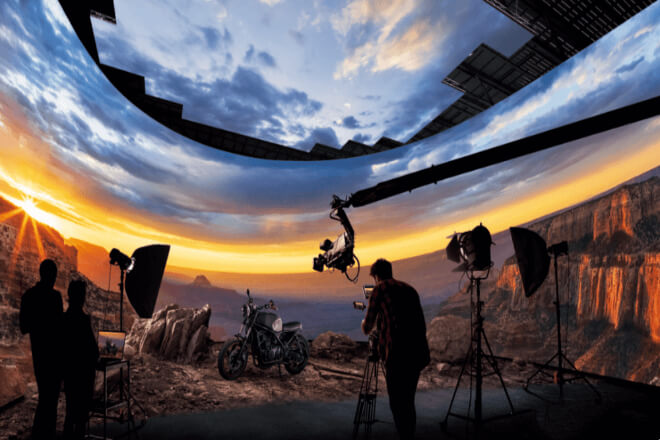
To make a program memorable, the performance on stage alone is not enough.
Often, background visuals, real-time information, and visual effects are key to transforming a program from “complete” to “exciting.”
LED displays act as a “second protagonist” on stage, constantly changing according to the program content, making the entire event more story-driven.
For example, at a concert, the LED screen can switch backgrounds according to the song style:
Slow songs paired with beautiful visuals, fast songs with dynamic effects, allowing the audience to not only hear the music but also see the emotional changes it evokes.
At corporate annual meetings, award ceremonies, or press conferences, LED displays can showcase guest introductions.
Event themes, brand stories, and key information, allowing audiences to quickly grasp the program’s content.
For example, before guests take the organiser, the screen can pre-show their introductions and memorable experiences, enhancing the sense of interaction.
Simultaneously, LED screens can also play live video, highlights, and audience interaction content.
For instance, a memorable moment captured at the event can appear directly on the large screen a few seconds later, connecting the stage and the audience.
After all, modern entertainment is no longer just about “people performing on stage while the audience watches.”
Afficheurs LED combine visuals, content, and the atmosphere, making each segment richer and more memorable.
In the past, audiences at events were mostly “sitting in the audience watching the show”; but now, more and more events want audiences to truly participate.
Rather than just being passive observers. Afficheurs LED serve as a bridge connecting the stage and the audience.
Through real-time content display, LED screens can directly amplify audience participation.
For example, during concerts, blessings and support messages sent by the audience can appear on the large screen in real time.
At corporate events, employee messages and photos can be quickly displayed, enhancing the sense of participation.
At press conferences, forums, or interactive events, LED displays can also show real-time voting results, on-site comments, and event information.
For instance, at a new product launch, the host can initiate a live poll, and a few seconds later, the large screen will display everyone’s choices, making the audience feel truly involved in the event.
Simultaneously, LED screens can be integrated with online live streaming, allowing viewers outside the venue to participate.
Live stream comments and online interactive content, after being filtered, are displayed on the large screen, connecting online and offline experiences.
After all, a good event is not just about what the audience “saw,” but more importantly, what they “participated in.”
LED displays transform the event from a one-sided performance to a one-sided viewing experience, fostering greater interaction and communication between the stage and the audience.
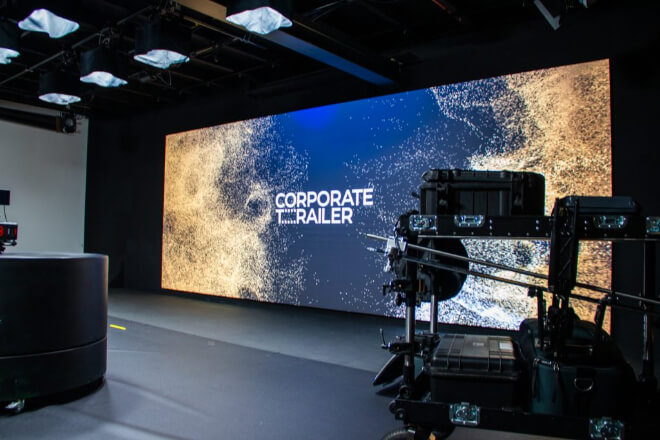
Different programs have different “personalities.”
Concerts need to be electrifying, galas need to constantly change styles, press conferences need to highlight the brand, and sporting events need to make the game understandable to the audience.
The value of Afficheurs LED lies in giving the same stage more possibilities.
In concerts, LED displays can create an immersive visual stage. As the rhythm of the songs changes, the screen can switch between different images.
For example, ballads can be paired with soft scenes like starry skies and ocean waves, while fast-paced songs can incorporate dynamic lighting effects.
Allowing the audience to not only listen to the music but also feel as if they have entered the world created by the songs.
In gala events, LED screens can help quickly switch between different themed scenes.
Grand visual effects can be displayed at the beginning, different backgrounds can be switched between programs.
And exclusive animations can be added to festive segments, allowing the entire stage to maintain a sense of freshness without frequently changing physical sets.
For brand launches, LED displays are like a “magnifying glass” for brand presentation.
When new products are unveiled, high-definition images can showcase product details, brand stories, and visual concepts, leaving a deeper impression on the audience.
And in sporting events, LED screens take on the task of displaying more information.
Besides displaying scores, rankings, and real-time data, LED displays can also play highlight reels, ensuring the audience doesn’t miss key moments.
For example, in a basketball game, a spectacular dunk can be replayed on the big screen within seconds, enhancing the atmosphere.
After all, different programs require different expressions. LED displays transform the stage from a static backdrop into a “dynamic space” that changes with the content and the audience’s mood.
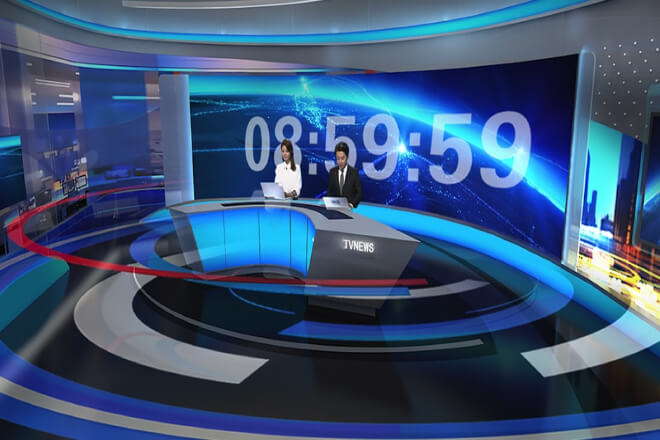
In the past, producing a large-scale program and changing the stage backdrop often meant rebuilding, transporting, and installing everything, which was time-consuming and limited creative expression.
Now, with LED displays, stage design can be switched much more easily.
One of the biggest advantages of LED displays is that content changes no longer depend on physical sets.
The atmosphere a program needs can be quickly altered simply by changing the content displayed.
For example, in a large-scale gala, one segment might depict a futuristic, high-tech scene, while the next might require a traditional cultural theme.
Previously, this would have involved replacing numerous decorations, but with LED screens, simply changing a single image can instantly transform the stage’s style.
Meanwhile, LED displays also provide program production teams with more creative space.
Whether it’s dynamic animation, brand visuals, special scene effects, or visuals that change in sync with lighting and music.
All can be achieved through LED screens, giving directors and design teams more room to maneuver.
For venues that host events regularly, LED displays can also reduce the cost of repeated setups.
A high-quality LED stage backdrop can serve different types of events such as concerts, press conferences, annual meetings, and exhibitions, instead of being “retired” after each event.
After all, today’s stage competition is not just about who builds the most beautiful stage, but also about who can change it the fastest.
LED displays transform program production from “building a fixed stage” to “creating a constantly changing visual space.”


 English
  Español
  简体中文
简体中文  Français
  日本語
日本語  한국어
한국어  العربية