
介绍
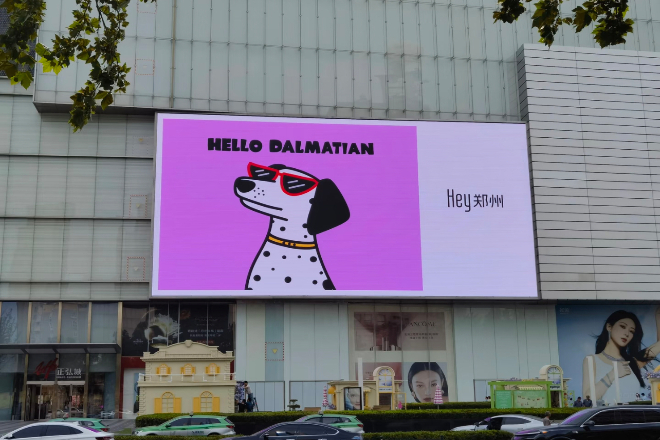
Anyone who has been to an 飞机场, 医院, 或者 政府 hall has likely experienced this:
Standing there looking around, wondering, “Where should I go?”, “What number is being called?”, “Is this information up-to-date?”
In the past, these questions might have required asking staff, checking paper notices, or slowly searching for answers.
Now, more and more public service spaces are proactively displaying information—LED显示屏 are becoming digital signage in these scenarios.
目录
1. How can transportation hubs use LED displays to improve information delivery efficiency?

Many people have experienced the anxiety of dragging their luggage around looking for screens to check for flight changes.
Worrying about going to the wrong entrance, or discovering a temporary line adjustment upon arrival.
For transportation hubs that handle large numbers of passengers daily, even a slight delay in information delivery can disrupt the entire travel process.
LED显示屏 are helping to solve this problem in these scenarios. They can present important information such as flight schedules, train numbers, routes.
And station changes in real time, eliminating the need for passengers to repeatedly ask staff or search through multiple channels.
A clear, dynamic image can quickly tell everyone “what’s happening now.”
For example, LED information screens in 机场 can provide real-time updates on gate changes, flight delays, baggage claim areas, and other information.
For passengers in a hurry, those few seconds of information confirmation can determine whether they can board smoothly.
LED displays also play a crucial role in train and subway stations.
Besides displaying train times and route information, they can also issue passenger flow reminders and temporary adjustment notices during peak hours.
Helping passengers plan their routes in advance and reducing on-site congestion.
Especially in emergencies, rapid information updates are even more critical. In the event of severe weather, line failures, or operational adjustments.
LED display systems can issue notifications immediately, letting passengers know what to do next, rather than standing on the scene “guessing what happened.”
For transportation operators, LED displays are not just screens displaying information, but also communication windows connecting passengers and the operational system.
They reduce the pressure of repeated inquiries and make the entire travel process smoother.
Today, excellent transportation hubs not only get people “to their destination,” but also provide a better service experience along the way.
LED displays are making this experience more efficient and intelligent.
2. How can government and public halls optimize the service experience through LED displays?

Many people have had similar experiences when visiting 政府 service halls: arriving only to find they haven’t brought all the necessary documents.
Unsure which window to go to, or queuing for ages only to realize they misunderstood the process.
For public service spaces, unclear information can turn small problems into major issues that lead to longer wait times.
LED显示屏 are helping government service halls change this. By dynamically displaying service procedures, window locations, service guides.
And the latest announcements, citizens can find the information they need more quickly, reducing the need to “ask around and search repeatedly.”
For example, in government service centers, large screens can display the processing steps for different services, required documents, and current queue status.
First-time visitors can quickly understand the process through simple and intuitive visuals, rather than being confused by a bunch of text explanations.
Beyond daily guidance, LED displays are also more flexible in terms of information updates. Policy adjustments, temporary notices.
And public event arrangements can all be quickly updated according to the actual situation.
Compared to traditional announcements, there’s no need to remake and post them, allowing more people to see the latest information promptly.
For staff, this digital display also reduces repetitive inquiries. For example, questions like “Where can I handle this service?” and “What materials do I need to prepare?”
Can be answered in advance via the screen, allowing service personnel to focus their attention on those who truly need help.
Of course, the changes brought about by LED displays go beyond just efficiency improvements.
A clear and organized digital hall also influences citizens’ first impression of public service spaces.
Today, more and more public halls are shifting from “information waiting to be retrieved” to “information being proactively presented.”
LED displays act like a 24/7 information assistant, making the process less confusing and more convenient.
3. How can medical and educational public spaces leverage LED screens to improve information management?

Hospitals and schools share a common characteristic: they generate a large amount of information daily.
Patients need to know which department to go to and when their turn will be called; students and teachers need to receive notices, activity schedules, and campus updates.
If information delivery is not timely, it’s easy to encounter situations where information is “not found, not understood, or missed.”
LED显示屏 are helping these public spaces optimize information management, ensuring that important content reaches those who need it more quickly.
In hospital lobbies and waiting areas, LED displays can show call number information, department locations, treatment procedures, and health information.
For first-time hospital visitors, a clear information screen can reduce anxiety caused by unfamiliarity with the environment and alleviate the pressure on staff to repeatedly provide directions.
For example, large hospitals receive a large number of patients daily; if everyone relied on manual inquiries about department locations and queue status, service windows could easily become overcrowded.
However, by using LED screens to update call number and navigation information in real time, patients can more intuitively manage their time.
In schools and educational spaces, LED displays serve another information dissemination function.
Campus notices, event schedules, important reminders, and student achievement displays can all be quickly published digitally.
Compared to traditional bulletin boards, LED screens do not require frequent replacement of paper content and are more likely to attract the attention of students and visitors.
Furthermore, medical institutions and schools can control the display content across multiple areas through a unified management system.
For example, different floors in a hospital can display information about corresponding departments.
And different areas in a school can display different event notices, making information dissemination more organized.
For these public spaces, the value of LED displays is not only in “amplifying information,” but more importantly, in facilitating the flow of information.
It reduces the cost of repetitive interpersonal communication and makes space operations more efficient.
Today, both hospitals and campuses are moving from traditional information display methods to digital management.
LED displays are becoming an important tool connecting space, information, and user experience.
4. How can urban public spaces utilize LED displays to enhance interaction and communication?

Previously, information dissemination in city squares, parks, or cultural spaces often relied on posters, banners, or fixed notices.
However, these methods have a significant problem: once the content is determined, it’s difficult to change quickly.
Today’s urban spaces increasingly emphasize the experience, and LED displays are making public areas more “expressive.”
In city squares, parks, and cultural venues, LED显示屏 can showcase city events, public service announcements, cultural content.
And real-time information, making information dissemination more than just simple postings or hangings; it’s presented in a more intuitive and attractive way.
For example, when a city hosts music festivals, light festivals, or other festive events, LED screens can display event information in advance, play exciting footage on-site, and even broadcast the event live.
Even those not in the front row can experience the atmosphere through the screen.
For cultural spaces, LED displays offer greater possibilities for presentation.
Historical stories, artworks, and urban cultural content can all be presented through videos and animations, making previously static cultural information more engaging.
Compared to a simple information board, dynamic visuals are more likely to attract young visitors.
Simultaneously, LED displays enhance interaction between people and the city. For example, holiday greetings, city event information.
And public announcements can be quickly updated digitally, allowing citizens to feel that the city is “responding” to them.
For city managers, the value of LED displays goes beyond simply making spaces look more modern; it’s about providing public spaces with more opportunities to connect with people.
An ordinary square, thanks to a suitable LED screen, can become an event venue, a cultural showcase, and even part of the city’s memory.
Today, urban competition is not only about building height and road planning but also about the living experience.
LED displays are helping urban spaces transform from “places to pass through” into “places worth lingering in.”
5. How can smart public facilities achieve digital upgrades through LED displays?

In the past, updating information on public facilities often required manual content changes, a relatively fixed process.
As urban management increasingly relies on digital systems, public spaces require more flexible information display methods.
LED displays are becoming a crucial component of smart infrastructure, shifting information dissemination from “manual operation” to “intelligent management.”
By connecting to information management systems, LED显示屏 can quickly update content based on actual needs.
Whether it’s public notices, traffic information, event schedules, or emergency alerts, timely dissemination ensures more efficient information delivery.
For example, in smart bus stops, city service centers, or large public areas, managers can remotely control multiple display terminals from the backend, eliminating the need for on-site adjustments.
When encountering temporary notices, simply updating the information in the system quickly synchronizes it to the corresponding areas.
Furthermore, smart LED display systems can adjust displayed content according to different scenarios.
During weekday rush hours, traffic and travel information can be highlighted; during holidays, event promotions and city-themed content can be switched;
And in special circumstances, important reminders can be prioritized, ensuring the screens truly serve diverse needs.
For city operators, this digital management approach not only improves information dissemination efficiency but also reduces long-term maintenance costs.
Unified management of multiple areas creates better information connectivity between public facilities.
The public spaces of the future are not just about having more equipment, but about having equipment that better “understands needs.”
LED displays are evolving from simple information display tools into digital communication gateways in smart cities, making public services more timely, efficient, and integrated into people’s daily lives.
6. 结论
Upgrading public services sometimes doesn’t require complex changes.
A single LED display can reduce waiting time and increase clarity for information, and reduce clutter and increase efficiency in spaces.
It may not be the most eye-catching piece of equipment in the entire building, but it is often the one most needed at crucial moments.
Finally, if you would like to learn more about LED displays, 请与我们联系。


 English
  Español
  简体中文
简体中文  Français
  日本語
日本語  한국어
한국어  العربية