
Introduction

Walking through city streets, you might notice buildings that are crystal clear during the day and resemble “moving screens” at night, displaying various dynamic images—this is the charm of transparent LED curtain walls.
This article will guide you through the advantages, application scenarios, commercial value.
And design and installation key points of transparent LED curtain walls, showing you how they make buildings “speak.”
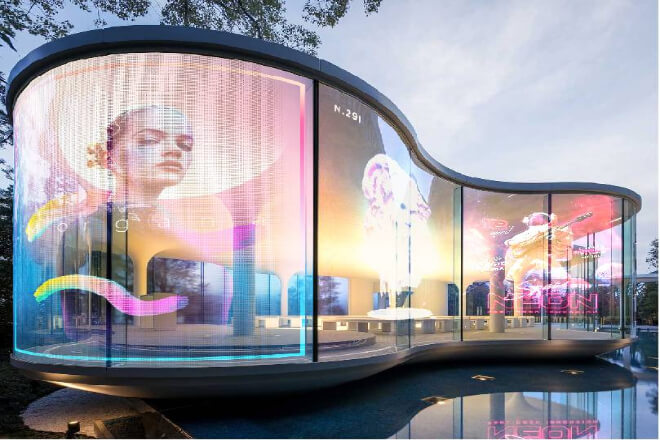
Table des matières
1. What are the advantages of transparent LED curtain walls?

In modern cities, high-rise buildings abound, and glass curtain walls have almost become standard features.
However, with technological advancements, traditional curtain walls can no longer meet the needs of commercial, cultural, and even artistic displays.
Thus, transparent LED curtain walls have emerged, transforming buildings from cold “shells” into screens that can emit sound and move.
The biggest advantage of transparent LED curtain walls lies in their high light transmittance and color performance.
While maintaining the building’s transparency, they can also present vibrant colors and ample brightness.
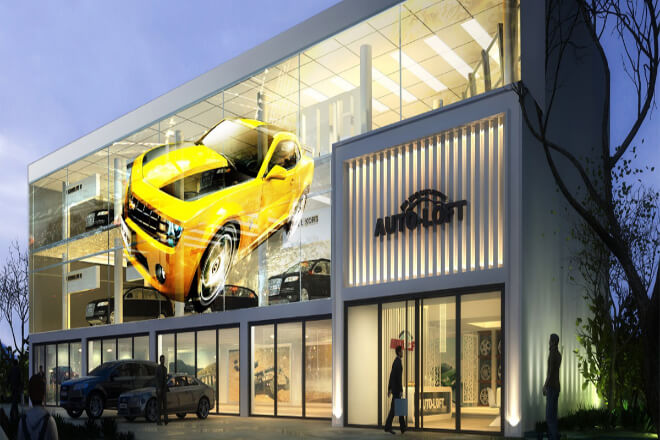
For example, in bustling commercial districts, transparent LED curtain walls on shopping mall facades display promotional information.
Or holiday-themed animations, attracting passersby’s attention without blocking natural light, ensuring ample indoor illumination.
Or, at night, office building facades can use LEDs to display company logos and creative visuals, instantly enhancing brand image.
Compared to traditional curtain walls, another advantage of transparent LED curtain walls is their dynamic display capabilities. They are not merely decorations, but also carriers of information.
For instance, some landmark buildings display city promotional videos or cultural content on transparent curtain walls, making the building itself a window into the city’s culture.
More importantly, their shape and size can be customized according to architectural design.
Whether it’s the curved facade of a large centre commercial or a full glass wall in an airport terminal, seamless integration can be achieved, combining a sense of technology and aesthetics.
Furthermore, transparent LED curtain walls are characterized by low power consumption and energy efficiency.
Compared to traditional high-brightness LED screens, they can reduce energy consumption while maintaining display quality, aligning with green building principles.
For example, some newly built office buildings and commercial complexes showcase light shows at night using transparent LED curtain walls, reducing energy waste and creating unique urban nightscapes.
In general, the value of transparent LED curtain walls lies not only in their brightness but also in their ability to tell stories, disseminate information, and enhance commercial value.
Whether used as an advertising medium, a cultural display, or a stage for artistic creativity, it makes urban architecture more vibrant and interesting.
Allowing people to experience the fusion of technology and aesthetics in urban spaces.
2. Why are transparent LED curtain walls so popular in architectural design?

In modern architectural design, transparent LED curtain walls are increasingly favored. They are not just a piece of glass, but a “speaking” architectural language that revitalizes urban spaces.
First, transparent LED curtain walls deliver a stunning visual effect. Their unique light-transmitting design ensures the building’s transparency while presenting rich and vibrant dynamic visuals.
During the day, it maintains the building’s brightness and transparency; at night, it becomes a medium for light shows or dynamic advertising, attracting passersby and creating visual focal points.
Secondly, transparent LED curtain walls are multifunctional. They can serve as advertising media, bringing considerable promotional value to commercial buildings.
Or display artworks or dynamic creative content, transforming the building itself into a showcase.
For example, some shopping malls use LED curtain walls to display holiday animations or interactive projections during festivals, enhancing customer experience and increasing dwell time.
Simultaneously, transparent LED curtain walls elevate the building’s image. A modern, high-tech facade not only increases the building’s recognizability but also makes it more iconic in the city.
It imbues office buildings, hotels, and commercial complexes with a unique brand image, making the building itself a “signboard.”
Transparent LED curtain walls can also blend naturally into the urban landscape. Due to their transparency, they do not disrupt the visual continuity of the surrounding environment.
Instead, they harmoniously integrate with the urban landscape, becoming a beautiful feature of the night view.
Finally, transparent LED curtain walls support digital and intelligent management. Through remote control and intelligent systems, building managers can update the displayed content in real time, perform zoned control.
Or synchronize lighting, achieving digital operation and intelligent management of the building.
In conclusion, transparent LED curtain walls not only add a sense of technology and visual impact to buildings, but also possess commercial value and intelligent management functions.
They allow buildings to not only “look beautiful” but also “tell a story,” occupying a unique position in modern cities.
3. Application Scenarios of Transparent LED Curtain Walls in Different Building Types
1) Commercial Buildings and Office Buildings
Transparent LED curtain walls can showcase corporate brand image, play advertisements or dynamic content, turning the entire building into a “moving billboard.”
For example, some technology companies use curtain walls at night to play futuristic dynamic visual effects, instantly enhancing the company’s technological and modern image, while leaving a lasting impression on visitors and passersby.
During the day, the curtain wall remains transparent, allowing ample natural light indoors without affecting the office environment.
2) Shopping Malls and Shopping Centers
On the facades of shopping malls, transparent LED curtain walls are a powerful tool for attracting customers.
They can play holiday-themed animations, promotional information, or new product launches.
The dynamic visuals are more vivid and interesting than traditional light boxes, effectively increasing customer entry rates and dwell time.
For example, some large shopping malls transform their facades into interactive light and shadow shows during the Spring Festival or Double 11 shopping festival, becoming highlights of the city’s nightscape and attracting photo opportunities and social media sharing.
3) Cultural and Art Centers and Musées
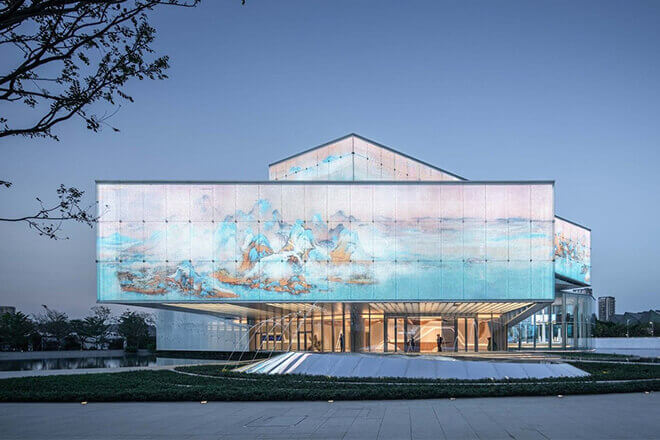
In cultural buildings, transparent LED curtain walls are not only information carriers but also enhance the artistic atmosphere.
They can display exhibition introductions, historical and cultural materials, or artists’ creative works, allowing visitors to enter an immersive experience before even entering the building.
For example, modern art museums link their curtain walls with the exhibition content; the dynamic changes in light and images make the building facade itself part of the exhibition, creating a strong visual impact.
4) Hotels and Resorts
Hotels enhance their brand image and improve the guest experience through transparent LED curtain walls.
Through dynamic images, themed visuals, or natural scene animations, the curtain walls can create a comfortable and unique sense of belonging for guests.
For example, a resort hotel’s curtain wall might display animations of waves or starry skies, allowing the building to blend seamlessly with the surrounding landscape and creating a romantic atmosphere at night.
5) Transportation Hubs and Exposition Halls
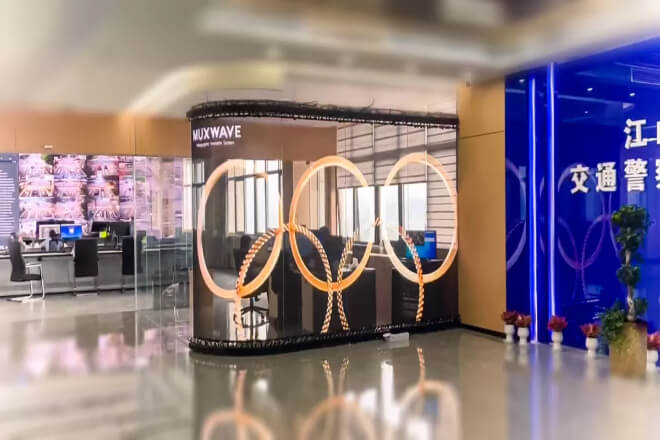
In public spaces such as aéroports, train stations, and exhibition halls, transparent LED curtain walls can serve as signage, advertising platforms, or information display screens, improving information delivery efficiency.
Compared to traditional static signage, it can update content in real time and guide pedestrian flow through animations and illustrations.
For example, in large train stations, transparent LED curtain walls can display boarding gate directions and safety notices, allowing passengers to quickly find their way while maintaining a sense of spatial transparency and architectural aesthetics.
4. Design and Installation Considerations for Transparent LED Curtain Walls

While transparent LED curtain walls appear light and transparent, their construction is far from simple.
The design must strike a balance between high light transmittance and clear display, while also ensuring the curtain wall’s sturdiness and safety.
During construction, not only must the weight of the curtain wall itself and its supporting structure be considered.
But also the overall structural integrity of the building to prevent swaying or safety hazards caused by improper installation.
Each LED module can be considered a “miniature screen suspended on glass,” requiring precise installation.
A transparent LED curtain wall is not a standalone “screen,” but rather an integral part of the building.
True aesthetics require seamless integration with the building’s appearance, materials, and style.
For example, a modern office building might have an all-glass curtain wall; the LED screen’s size, color, and curvature must match to avoid appearing jarring.
The curved facades of centres commerciaux ou hôtels necessitate customized curtain wall designs to ensure visual continuity and a sense of design.
After installation, the lighting conditions at different times and angles de vision must be considered.
During the day, with strong sunlight, the curtain wall’s luminosité must be high enough for clear visibility; at night, it shouldn’t be too glaring to avoid affecting the surrounding environment and pedestrians.
The color temperature must also be moderate, ensuring a natural and comfortable viewing experience while maintaining clear visibility from different angles.
In short, the curtain wall must not only be bright but also “see people,” interacting with the audience.
Installation is only the beginning; long-term stable operation is crucial.
Most transparent LED curtain walls now support remote monitoring and automated management, allowing users to check screen status, adjust brightness, and update playback content at any time.
Minor issues can be quickly troubleshooted, significantly reducing manual maintenance costs and preventing disruptions to advertising playback or the building’s nighttime aesthetics.
Transparent LED curtain walls are mostly installed outdoors or semi-outdoors, so weather conditions must be considered.
Waterproofing, dustproofing, and wind resistance are basic requirements, ensuring safety and reliability even in wind, rain, dust, and high temperatures.
Good design can also extend the curtain wall’s lifespan, allowing owners to use it with peace of mind for many years without frequent replacements or large-scale repairs.
5. Conclusion
Transparent LED curtain walls are changing the face of urban architecture.
They not only enhance building prestige and brand image but also attract foot traffic and generate revenue, while simultaneously achieving energy conservation and intelligent management.
In the future, with technological advancements, transparent LED curtain walls are expected to become a new standard feature in more buildings, making urban facades more vibrant and narrative.
Finally, for more information about LED displays, veuillez nous contacter.