
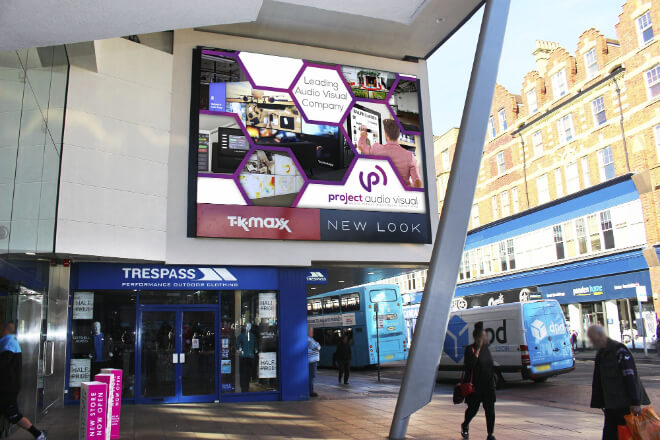
In commercial projects, is an Affichage LED really just about “playing images”? It can be a brand’s first business card, directly attracting customers and even generating revenue.
But faced with various screen types and parameters, do you often struggle with the choice: small pitch or high-luminosité outdoor screen? All-in-one or flexible screen?
This article will help you clarify your thinking and find the most suitable LED screen solution for your project, ensuring every screen is worthwhile.

In today’s commercial projects, LED displays are no longer just devices that “play images.”
They are becoming the first interface for brand display, the core carrier of spatial atmosphere, and even a key tool for attracting customers and driving conversions.
Similarly, some LED displays instantly elevate a brand’s image to a “high-end” level, while others make the entire space appear cheap and cluttered.
Some attract customers to stop, take photos, and share, while others are simply ignored due to unsuitable brightness, insufficient clarity, or uncomfortable viewing.
Different choices directly impact 3 things:
Brand image: professionalism and credibility
Customer experience: comfort and memorability
Return on investment: a true return on investment.
In reality, many LED display projects are unsatisfactory, even regrettable, after installation, not because of insufficient budget.
But because the chosen LED display is severely mismatched with the actual application scenario.
Par exemple:
Choosing a screen with impressive parameters for a centre commercial atrium, but an unsuitable viewing distance results in a blurry image;
Choosing a low-luminosité screen for store windows to save costs makes the content almost unreadable during the day.
Pursuing large sizes for conferences or des expositions while neglecting detail results in severe graininess upon close inspection.
These problems can actually be avoided during the design phase.
Before selecting an LED display, there’s an easily overlooked step: asking yourself a few questions is far more important than simply choosing a model based on parameters.
Many projects start by focusing on pixels, luminosité, et fréquence de rafraîchissement, only to find that the chosen screen is completely unsuitable for the actual needs—this is the most wasteful situation.
First, you need to clearly define the core purpose of this project. Is it for brand display, making your image memorable at first glance? Is it for information dissemination, allowing people to quickly access content?
Or is it directly pursuing commercial monetisation, generating transactions or conversions through the screen?
Different objectives require completely different display screens. A window display emphasising brand quality and an outdoor screen for displaying event information can have vastly different parameters, sizes, and brightness.
Next, you need to determine whether the display screen is primarily intended for viewers at a distance or up close.
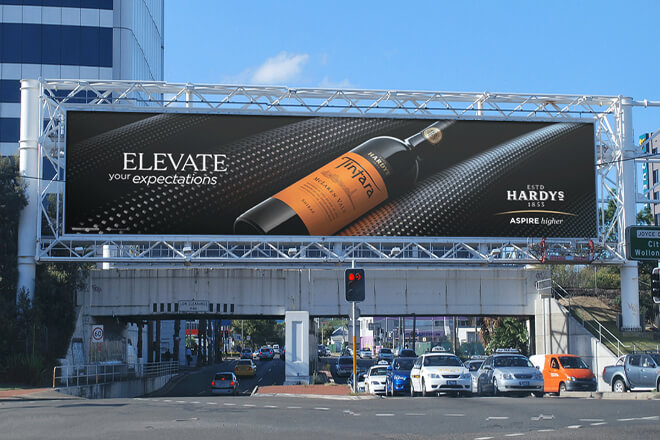
Large screens in centre commercial atriums, located tens of meters away from viewers, require consideration of clarity and visual impact from a distance.
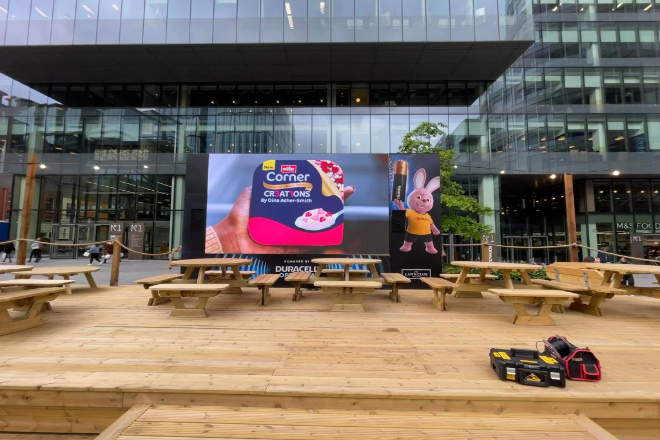
Small screens near store windows or checkout counters, on the other hand, prioritise detailed images at close range; otherwise, pixelation will detract from the overall experience.
Secondly, the installation environment also determines the selection direction. Indoor, semi-outdoor, and fully outdoor screens differ significantly in brightness, waterproofing, dustproofing, and even heat dissipation.
A high-brightness indoor screen may not require outdoor-grade protection, but an outdoor screen using an indoor model could quickly be damaged by sun exposure or rain.
Finally, clarify whether this is a one-time investment or a long-term operational asset. If it’s just a short-term event, the time spent tuning parameters and pursuing the ultimate effect may have limited value.
If it’s for long-term use, choose a model with low maintenance costs, high durability, and good compatibility; future upgrades or content updates will be smoother.
Clarifying these four questions first will allow you to confidently choose models and parameters, rather than blindly comparing prices and pixel counts on a spec sheet.
Many projects fail because this step wasn’t done well—if the strategy is unclear, even the best screen won’t achieve the desired effect.
When purchasing LED displays, many people immediately focus on “paper parameters” like pixels, brightness, and refresh rate.
However, what truly ensures a project’s successful implementation are often several overlooked key points.
Simply put, no matter how good the screen is, if these things aren’t done well, the project will inevitably run into problems sooner or later.
1) System Stability.
Screens in commercial projects aren’t just for a few hours of home use; they’re for long-term, 24/7 operation.
You might see high taux de rafraîchissement et luminosité on the specifications sheet, but if the system is prone to crashes, frame drops.
Or unstable control, even the highest specifications are useless. Long-term operational stability is the foundation for a screen to truly serve the brand.
2) After-Sales Service and Delivery Capabilities.
When LED screens malfunction, the biggest fear for commercial projects isn’t the inability to repair them, but the direct losses and customer complaints caused by screen downtime.
Slow delivery speeds and slow repair responses from manufacturers can lead to project delays or even project interruptions.
When selecting LED screens, after-sales service and delivery capabilities are often more critical than the screen’s specifications—this is what experienced purchasing decision-makers value most.
3) Overall Solution Capability.
Buying an LED screen is not just buying a screen, but a solution that can be implemented to achieve the expected results.
Having a screen alone, without a supporting control system, installation plan, commissioning services, and content management support, the final effect may be far from your expectations.
A good supplier can provide a complete solution, from selection to installation to daily operation and maintenance, ensuring a smooth purchase and reliable results.
Grasp these three points, and you will no longer be misled by the illusion that “higher specifications are always better,” and you can avoid most risks in the procurement process.
For those with purchasing experience, these are the real factors that determine the success or failure of a project.

When choosing an LED display, many people only look at price or specifications, but the true “most cost-effective” choice is not simply buying the cheapest option.
Nor blindly pursuing high-end products, but rather spending a limited budget on the most critical areas. Different budget levels require different strategies.
1) Low-Budget Projects
The biggest fear is “buying cheap but ending up paying more.” Seemingly inexpensive screens may suffer from poor stability, inadequate after-sales service.
Or substandard image quality, leading to high maintenance costs and a poor customer experience.
At this stage, the key is to choose a stable and reliable model that meets basic usage requirements. Don’t sacrifice core experience for a lower price.
2) Medium-Budget Projects
The core goal is to spend money where it has the greatest impact. For example, in shopping malls or showrooms, image clarity.
And viewing comfort are more important than size; for outdoor advertising, brightness and protection are more critical than high refresh rates.
First, identify the most important goals of the project, then prioritise allocating the budget to these key areas, rather than spreading it evenly across every parameter.
3) High-End Commercial Projects
When the budget is sufficient, a strategic approach is crucial. Know where it’s worthwhile to spend more.
This typically involves aspects related to brand image, customer experience, and long-term operation: the superior image quality of small-pitch LED or flexible LED screens, customised installation solutions, comprehensive overall solutions, and excellent after-sales service.
These investments directly enhance brand image and perceived customer value, yielding a far greater return than saving a few thousand dollars on a standard model.
In short, the “most cost-effective” choice isn’t about choosing the cheapest option or pursuing the highest specifications.
But rather about allocating funds to areas that truly impact the experience and effectiveness, based on project goals, viewing environment, and budget.
Mastering this principle allows for both peace of mind and cost-effectiveness in various commercial projects, maximising the value of LED displays.
 English
  Español
  简体中文
简体中文  Français
  日本語
日本語  한국어
한국어  العربية