

Have you spent a lot of money on an Affichage LED, only to find mediocre performance, troublesome maintenance, and even problems with future expansion?
Or are you overwhelmed by the variety of “custom screens” on the market and unsure whether to choose one?
In fact, custom LED displays aren’t simply about changing the size; their value and cost are closely related to the chosen approach.
So, what kind of projects are truly worth customizing? How can you avoid spending money without getting the desired results?
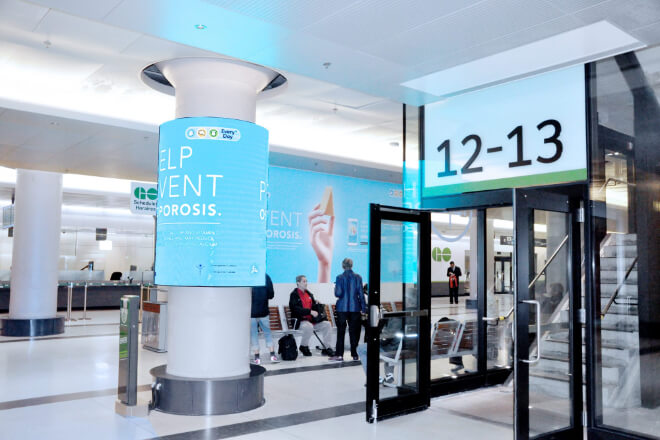
Many people, when they hear “customization” for LED displays, immediately think of changing the size or resolution.
This isn’t true customization; it’s merely adjusting parameters of an existing product.
True customization starts with the usage scenario, tailoring each screen to specific needs.
Customization must first consider the usage environment and installation method.
Indoor, outdoor, semi-outdoor viewing distances, angles de vision, wall mounting, ceiling mounting.
And irregular structures all affect the screen design, heat dissipation solutions, and protection levels.
Only by incorporating these factors into the design can a screen truly be suitable for the on-site environment.
Secondly, display effect and viewing experience are crucial.
Pixel density, luminosité, grayscale, and refresh rate must match actual viewing needs; otherwise, even if the screen’s size and resolution are correct.
It may appear blurry or cause eye strain. Truly customized screens prioritize natural viewing and stable images.
Structural design and maintenance methods are equally important.
Front-end maintenance or rear-end maintenance? Can modules and alimentations be quickly replaced if they fail?
These all affect daily maintenance costs and lifespan. True customization addresses these issues during the solution phase, rather than discovering problems after the screen is installed.
Finally, the control system and future expansion are also important aspects of customization.
The screen may need to connect to different signal sources, be linked to a central control system, or be upgraded for future expansion.
Only an open and scalable system can adapt to changing needs, rather than being constrained.
There are significant differences in the industry’s understanding of “customization.” On one hand, manufacturers have different positioning; some only provide product combinations, while others offer complete solutions.
On the other hand, customers have different perceptions; many only care about size and clarity, neglecting the long-term user experience.
True customization isn’t about changing parameters; it’s about comprehensive design considering the scenario, user experience, structure, and system as a whole.
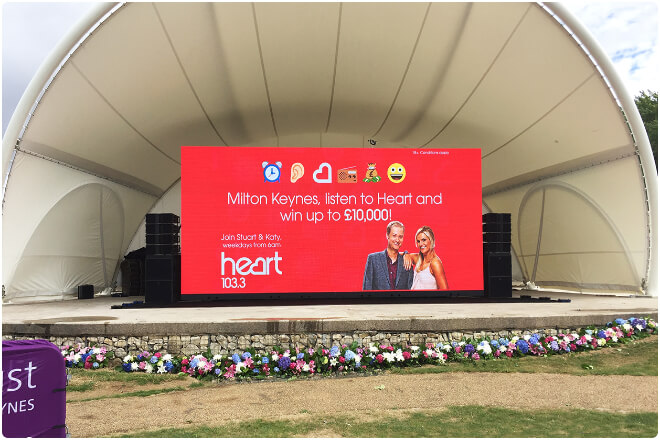
Many clients, upon seeing quotes for custom LED displays, often ask, “Why is it so much more expensive than a regular screen?”
The reason for the higher cost is simple: it mainly stems from 2 aspects—upfront investment and hidden costs.
High upfront investment is necessary because a truly custom screen isn’t simply a matter of changing the size or resolution.
For example, a curved stairwell in a large shopping mall might require a wraparound screen.
Standard cabinets cannot be directly assembled into a curved shape, necessitating the design of non-standard modules and special support structures, as well as precise calibration of brightness and color between modules.
Furthermore, if the screen is installed in an outdoor plaza, factors such as wind load, waterproofing.
And sun protection must be considered, requiring a redesign of the heat dissipation system and cabinet materials. These additional design, R&D, and testing efforts all contribute to increased costs.
Hidden costs are often more easily overlooked. If the initial design is inadequate, rework may occur after installation.
For example, uneven luminosité at certain angles or insufficient maintenance access may necessitate disassembling parts of the screen, increasing construction costs and extending the project cycle.
Furthermore, a poorly designed non-standard module may require complete replacement in case of future malfunctions, unlike the quick replacement of individual modules as with standard screens. This significantly increases maintenance difficulty and costs.
Therefore, the higher price of customized screens is not due to manufacturers overcharging, but rather the investment of time and effort for a stable, aesthetically pleasing, durable, and worry-free user experience.
For example, a standard screen of the same size, even with a slightly modified size, may be quick to install but suffer from uneven brightness or maintenance difficulties.
A custom-designed screen, while slightly slower to install, offers a more uniform image, a more robust structure, easier maintenance, and a longer lifespan.
In short, the value of customization lies not in the “different size,” but in the comprehensive solution tailored to the specific scenario and long-term use.
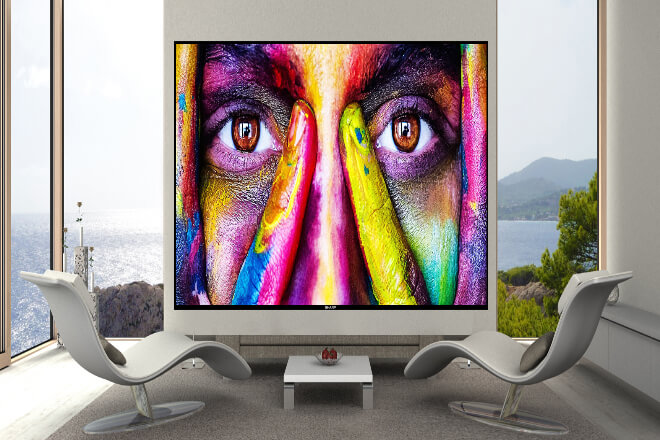
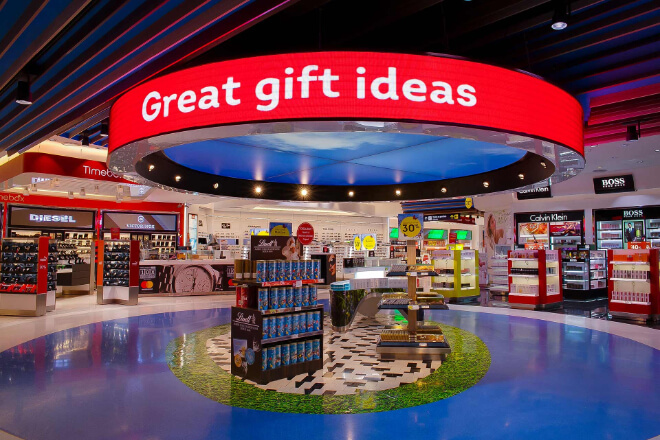
While customized LED displays can bring visual impact and long-term value, improper selection can easily lead to “spending money but not realizing its value.”
The key is to avoid several common pitfalls in the procurement decision-making process.
1) Common Misconceptions
Many companies, when purchasing custom screens, only consider size, résolution, or price, neglecting long-term usage and maintenance costs.
Others only care that the screen “brightens,” without considering stability, ease of maintenance, and future scalability.
Such choices may save money in the short term, but after a period of use, they will incur higher costs due to maintenance difficulties, frequent malfunctions, or limited expansion.
2) How to Determine if a Supplier Has True Customization Capabilities
Truly capable suppliers will start from the actual needs of the project, rather than simply applying existing products. Several key points should be considered when choosing a supplier:
- What is the design basis?
A high-quality supplier will have a complete design solution, considering the scenario, distance de visualisation, environmental conditions, and user experience, rather than just providing a size chart.
- Does it consider future maintenance and upgrades?
A good customization solution will plan maintenance channels, module replacement paths, and reserve system expansion interfaces to ensure worry-free long-term use.
- Does it have experience with similar projects?
Experienced suppliers can provide case studies, demonstrating their problem-solving capabilities in different scenarios, and can more quickly determine the rationality of the design.
3) Decision-Making Recommendations
Before signing a contract or placing an order, clarify these issues and request the supplier to provide design diagrams, maintenance plans, and case studies.
This not only reveals the supplier’s capabilities but also gives you a clear expectation of the value of a customized screen, avoiding “paying for nothing.”
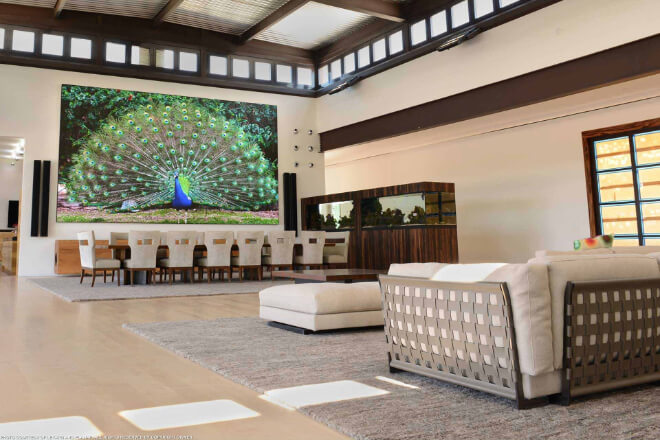
When purchasing LED displays, rational decision-making is more important than simply pursuing the lowest price.
The core is to clarify project goals, distinguish between short-term and long-term needs, and prioritize display effects and functional requirements.
1) Selection Logic Under Different Decision Goals
For short-term projects, such as temporary des expositions, roadshows, or short-term events, limited budgets and ease of installation are often more important than screen customization.
Standard screens can be deployed quickly, are low-cost, and generally meet the requirements.
However, for long-term, fixed projects, such as flagship stores, centre commercial building displays, or command centers, customized designs are more suitable.
The initial investment is higher, but the screen’s form, structure, and control system can be tailored to ensure long-term stability, ease of maintenance, and visual and brand differentiation.
Similarly, in display-oriented projects, visual effects and audience experience are primary considerations, and customized screens can achieve unique shapes, color correction, and high-quality images.
However, in function-oriented projects, such as control rooms and traffic command centers, stability, reliability, scalability.
And ease of maintenance are key priorities, and customized screens can meet special layouts and multi-signal source requirements.
2) How to Assess “Value for Money.”
When evaluating the value of a purchase, it’s not enough to just look at the initial price; long-term costs and benefits must also be considered.
For example, for screens of the same size, standard screens are cheaper initially, but require more frequent maintenance and have mediocre image quality, potentially leading to higher long-term costs.
While customized screens are more expensive, their stability, durability, and low maintenance costs result in higher overall value.
A simple method is to compare the entire lifecycle cost, user experience, and commercial benefits, not just the initial investment. This allows for rational and practical purchasing decisions.
 English
  Español
  简体中文
简体中文  Français
  日本語
日本語  한국어
한국어  العربية