
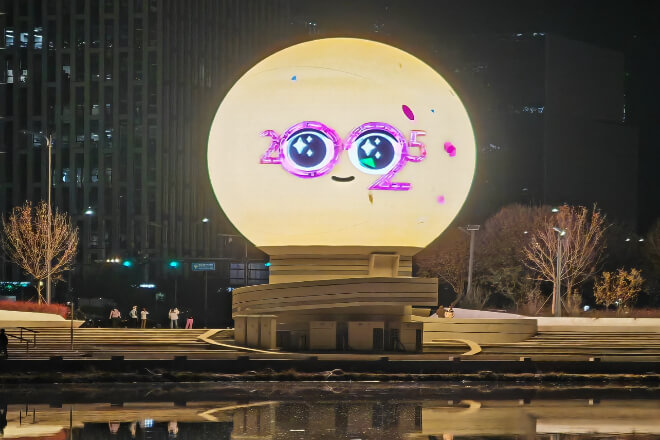
Many Afficheurs LED are only truly “used” the moment they are installed. However, in many scenarios, they are more like “playing on a loop” than “participating in operations.”
The same screen can have vastly different effects. Some simply light up on a schedule, while others continuously adjust their content based on events, foot traffic, and information flow, generating sustained value.
The difference often lies not in the equipment itself, but in whether it is being used as an operational tool.
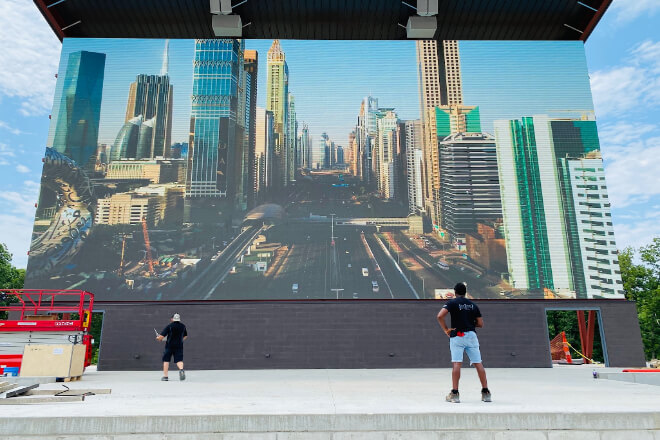
Many LED displays are initially very eye-catching; the moment the screen lights up or the content moves, passersby will take a second look.
Interestingly, if the content remains unchanged for a long time, people quickly enter “automatic ignore mode”—the screen is still there, but the attention is gone.
Therefore, more important than “having a screen” is “how to keep the content fresh.” Establish a relatively unified content update mechanism.
Providing a basic logic for what content to play at different times and in different scenarios, rather than playing whatever comes to mind.
For example, during peak hours, prioritize displaying more impactful or information-dense content.
During relatively calmer times, intersperse brand stories, event information, or lighter content to keep the screen “present” without being overly intrusive.
Additionally, avoid repeatedly using the same material. Even small updates, such as adjusting the visual rhythm, copywriting, or visual elements, can keep the content fresh.
Passersby don’t need to be “stunned” every time, but occasional changes are more likely to re-engage them.
Simply put, instead of treating LED screens as “playback tools,” treat them as “content windows” that require continuous operation.
Rhythm and variation make them stand out from the background and truly fulfill their role in attracting attention and conveying information.
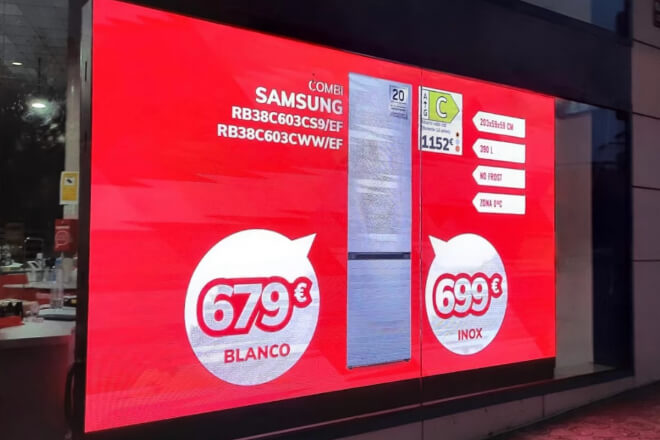
Si Afficheurs LED are merely “playing content,” their effect often remains at the display level.
However, when combined with specific scenarios, events, and pedestrian traffic, they become more like “entry points that actively attract attention.”
For example, when there are promotional activities or new product launches in stores, the screen can simultaneously display relevant information.
Using more rhythmic and dynamic visuals to directly convey “what’s happening” to passersby.
Compared to static posters, dynamic content is more likely to grab attention in a short time, making people stay for a few more seconds—and those few seconds are often the beginning of a conversion.
At the same time, the screen’s location and orientation are also crucial.
If it can be positioned along pedestrian flow, placing the image within people’s natural line of sight, the probability of it being seen will significantly increase.
Conversely, if the location is not in the “sight path,” even the best content is easily overlooked.
You can think of an LED display screen as a “spatial cue”: it’s not just about displaying information.
But about delivering the right content to people at the right time and place, thereby increasing their willingness to stay.
And further driving the possibility of entering the store or participating in activities.
Simply put, when content, location, and context are perfectly aligned, an LED display screen is not just a screen, but a touchpoint that can be “seen, stopped, and even walked into.”
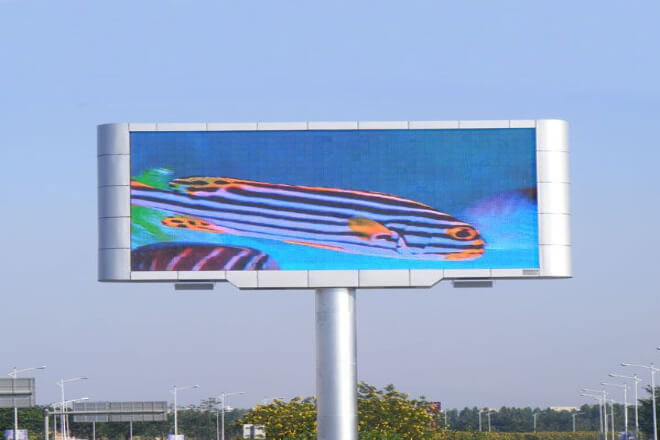
The advantage of LED displays lies in their ability to “show a lot of content,” but if information is crammed all at once, it can easily obscure the key points, causing viewers to walk past before even finishing reading.
Try starting with “less is more,” controlling the overall information density and prioritizing truly important content.
For example, highlight only one core message in a single image, with other content serving as supplementary information.
This allows viewers to grasp the key point within a second or two, rather than requiring “reading comprehension.”
Visually, differentiation can be achieved through font size, contrast, and layout hierarchy, creating a hierarchy of information.
More eye-catching titles, more focused key information, and concise supplementary explanations make the information easier to notice and understand, even in fast-paced scenes.
Furthermore, the rhythm of the dynamic display is crucial. Appropriate switching frequency and clear image dwell times give the information a “breathing” feel, preventing viewer fatigue from absorbing too much content in a short time.
Simply put, rather than pursuing “showing more,” prioritize making it “understandable and memorable.”
When information is conveyed with sufficient restraint and clarity, the communication effect of LED displays is actually more efficient and easier for the audience to truly receive.
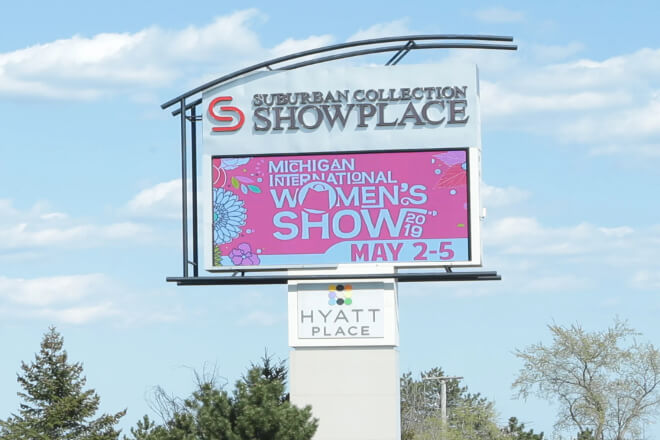
Many people focus more on the luminosité and clarity of LED displays, but what truly determines their long-term stable value is the operation and maintenance management behind them.
Without continuous maintenance, even the best screen may gradually experience problems such as decreased brightness, uneven image quality, or localized anomalies, affecting the overall display effect.
This can start with regular inspections and status monitoring to detect problems early, rather than waiting until obvious abnormalities occur.
For example, periodically checking the screen’s operating status, temperature, and signal connections is equivalent to giving the equipment a “check-up,” proactively avoiding potential risks.
At the same time, a fault response mechanism is also needed. Once an anomaly occurs, it can be quickly located and handled, preventing small problems from becoming major issues.
This is especially important in scenarios with high requirements for display continuity, such as centres commerciaux, transportation hubs, or exposition halls.
In addition, the cleaning and daily maintenance of the screen should not be neglected. Dust, stains, and even environmental factors can subtly affect display quality.
Keeping the screen clean and stable is not only about making it “look better,” but also fundamental to ensuring image clarity and lifespan.
Simply put, an LED display screen isn’t something you “install and call it a day,” but rather a long-term asset requiring continuous attention and maintenance.
The more meticulous the maintenance, the more stable and reliable its performance in daily use.
 English
  Español
  简体中文
简体中文  Français
  日本語
日本語  한국어
한국어  العربية