
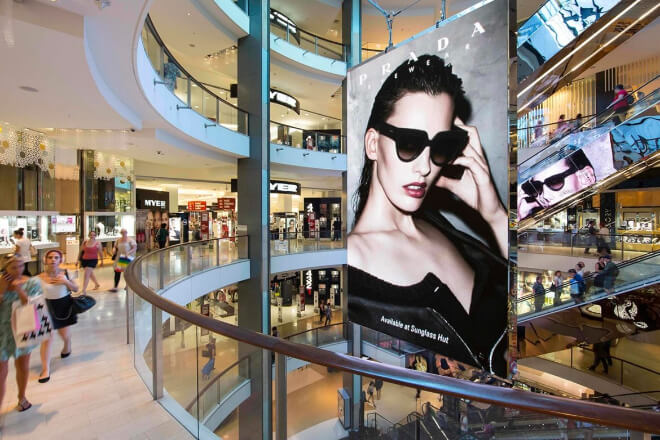
LED displays provide high-brightness, high-contrast visual advertising in high-traffic areas.
Even in bright light or complex environments, the image remains clear and striking, attracting the attention of passersby immediately.
Compared to traditional static advertising, LED displays, through dynamic images, colour changes, and video content, are more likely to create a visual impact, thus effectively increasing brand exposure.
By continuously and periodically displaying brand logos, core product information, and brand concepts on LED displays.
Brand information can repeatedly appear in the field of vision of potential customers, strengthening audience recognition and memory of the brand.
At the same time, LED displays support rapid content updates. Companies can flexibly adjust the display content according to different time periods, traffic characteristics.
Or marketing activities, making brand communication more relevant to actual scenarios and improving communication efficiency.
For example, placing LED display advertisements in high-traffic public places such as centres commerciaux, aéroports.
And transportation hubs can not only reach a large number of potential customers but also gradually establish a stable.
And clear brand image through long-term, high-frequency exposure, enhancing the brand’s presence and influence in the minds of the target audience.
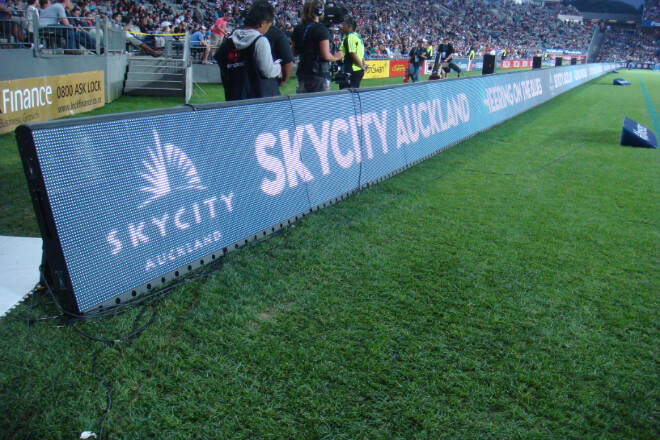
LED displays, through dynamic images and vibrant colours, are more likely to capture people’s attention and make them remember the brand.
Compared to static posters, moving images have a greater sense of storytelling and can convey the emotions and attitudes that the brand wants to express in a short time.
If you include some creative and heartwarming content on the LED display, such as the brand’s founding story, the design philosophy behind the product,
or real customer usage scenarios, it will allow viewers to not only “see the advertisement” but also develop an emotional connection with the brand.
For example, playing a heartwarming brand short film on a large LED screen in a shopping mall often makes people stop and watch for a few extra moments.
In addition, some simple interactive forms can also bring brands closer to consumers, such as holiday greetings, real-time display of user comments, or small activities that require scanning a QR code to participate.
This type of content makes consumers feel that the brand is more approachable, thereby subconsciously deepening their goodwill and memory of the brand and gradually building an emotional connection.
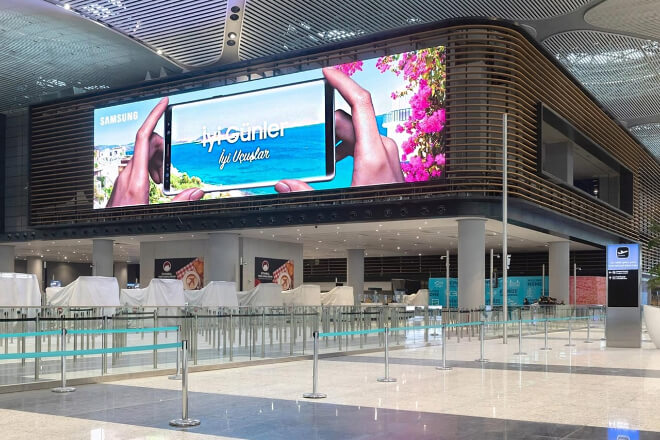
One of the biggest advantages of LED displays is that the content can be updated at any time, making the brand appear more “active.”
Whether it’s a temporary event, a limited-time promotion, or important information of the day, it can be displayed immediately.
Allowing the audience to feel that the brand is continuously operating and constantly changing, rather than displaying unchanging advertising images.
This real-time update capability can effectively enhance the brand’s dynamism and freshness.
On this basis, adding interactive functions can further enhance audience participation. For example, participating in activities or receiving coupons by scanning a QR code.
Or performing simple operations on a touchscreen, can transform consumers from “passive viewing” to “active participation.”
Once interaction occurs, the distance between the brand and consumers will naturally be shortened, and the memorability of the advertisement will be deeper.
For example, displaying real-time promotional information on an LED screen in a shopping mall and guiding customers to scan a QR code to participate in a lucky draw.
Setting up interactive voting at an event site, allowing the audience to choose their favourite products or content.
This type of real-time interaction can not only enhance the atmosphere of the event but also strengthen the brand’s approachability and interactivity, making the advertising effect more significant.
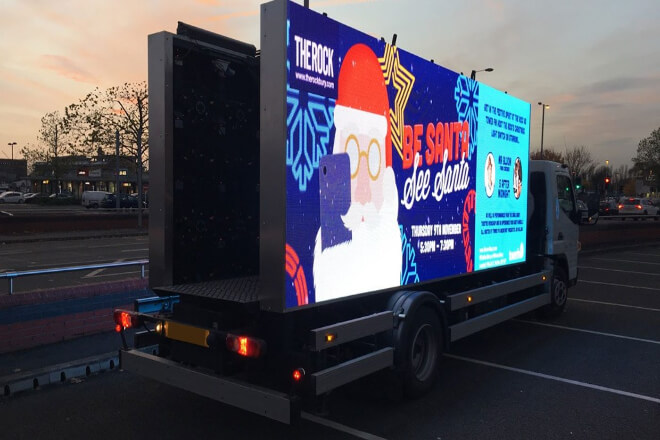
LED displays themselves have a sense of modernity and technology, and when used well, they can easily make a brand appear more high-end and sophisticated.
Compared with ordinary light boxes or posters, large-sized, high-résolution LED screens are more delicate and have a greater visual impact.
Conveying the brand’s strength and quality at first glance, giving people the intuitive impression that “this is an extraordinary brand.”
If more creativity is added to the content and display methods, such as minimalist videos, immersive screen transitions.
Or display forms combined with spatial design, the brand will appear more forward-looking and innovative.
This presentation method doesn’t require much text; it can convey the brand’s style through images and atmosphere, leaving a deep impression on the audience.
For example, in high-end centres commerciaux, luxury brands often use LED displays to showcase brand videos or new product images.
Technology companies use large LED screens to present product concepts and future scenarios at press conferences or showrooms.
These applications not only enhance the overall visual appeal but also make it easier for brands to be associated with keywords such as “high-end” and “innovation.”
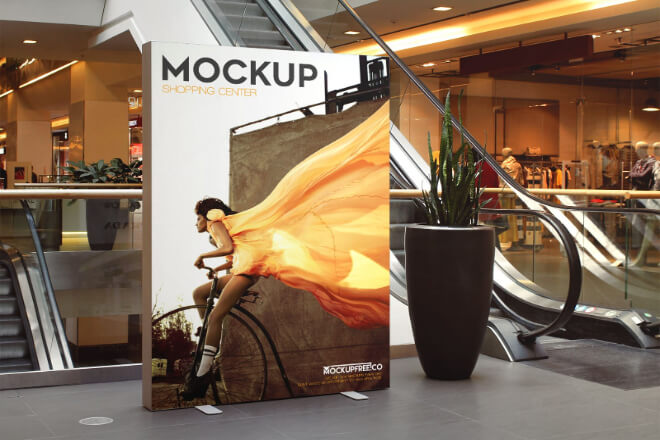
LED displays are not just for “advertising”; they can also subtly influence the overall customer experience.
Through the combination of images, colours, and content rhythm, LED displays can create an atmosphere that matches the brand’s tone, allowing consumers to feel the brand’s style and attitude the moment they enter the space, thereby improving overall comfort and positive feelings.
For example, in shopping malls or stores, LED screens playing soft, well-designed visual content can make the shopping environment look more sophisticated.
During holidays or events, themed visuals and atmospheric videos can enhance the immersive experience, making customers more willing to stay and browse.
Accumulating positive experiences naturally increases customer recognition and loyalty to the brand.
In addition, LED displays can customise content for different scenarios, such as displaying real-time promotional information, best-selling product recommendations, or new product highlights, helping customers make choices faster.
When a brand can provide useful information at the right time, it not only increases purchase intent but also makes consumers more likely to develop long-term trust and reliance on the brand.
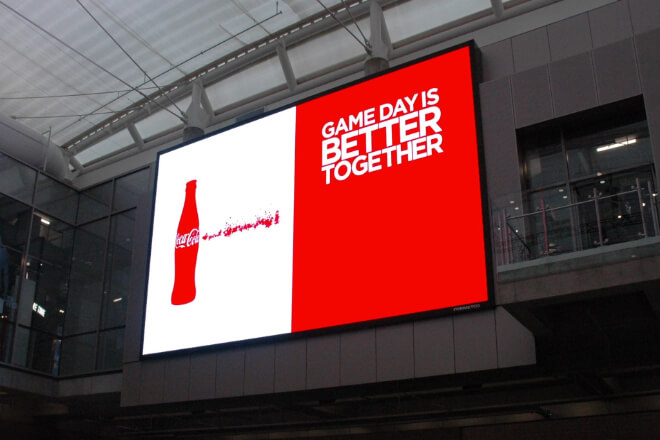
Combining LED displays with social media allows brand communication to move beyond one-way output and create an interactive experience that links online and offline.
By displaying content from social media platforms on large offline screens, brands can amplify the effects of social media communication, encouraging more people to participate in discussions and share, thereby increasing overall social influence.
Displaying user-generated content (UGC) on LED screens, such as photos, videos, or genuine reviews with brand hashtags, makes advertising look more authentic and approachable.
Compared to brands “praising themselves,” genuine sharing from consumers is more likely to gain trust and resonate with others.
People passing by who see this content are often more willing to learn about the brand and even actively participate in interactions.
For example, displaying customer-submitted product photos or user stories in real time on LED screens in shopping malls or event venues.
And encouraging audience participation in discussions or social media sharing, can not only enliven the atmosphere but also inspire further online dissemination.
In this way, LED displays become not only a display tool but also an important social window connecting brands with consumers.
 English
  Español
  简体中文
简体中文  Français
  日本語
日本語  한국어
한국어  العربية