
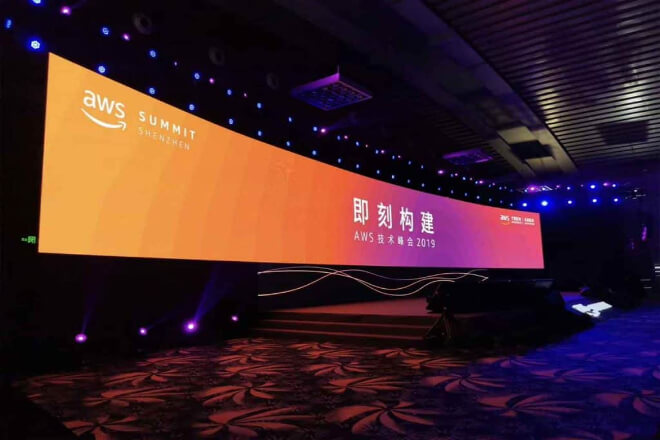
At events, lectures, or des expositions, have you noticed how easily audiences miss important information? This is where LED displays excel.
They can display the event’s progress, speaker information, and product demonstrations in real time, allowing audiences to know what’s coming next and quickly grasp key information.
For example, at large conferences or new product launches, the screen can display the speaker’s name, topic, or the current segment’s progress in real time.
Audiences don’t need to flip through notes or guess the next move; they can keep up with the pace.
In product demonstrations, LED screens can dynamically demonstrate product functions, parameters.
Or usage effects, making information intuitive and vivid, and easier to remember than simple verbal explanations or static displays.
Moreover, LED screens are particularly helpful for brand communication. Through high-definition images, vibrant colors.
And dynamic effects, brands can directly present key information to the audience, making it instantly understandable.
For example, at a new product launch, the screen can simultaneously display product demonstrations and brand concepts.
Allowing the audience to not only experience product features but also gain a deeper impression of the brand.
Simply put, LED displays make information delivery faster, clearer, and more eye-catching.
It allows viewers to immediately understand the event content without guessing or waiting, while also making brand information easier to remember and spread.
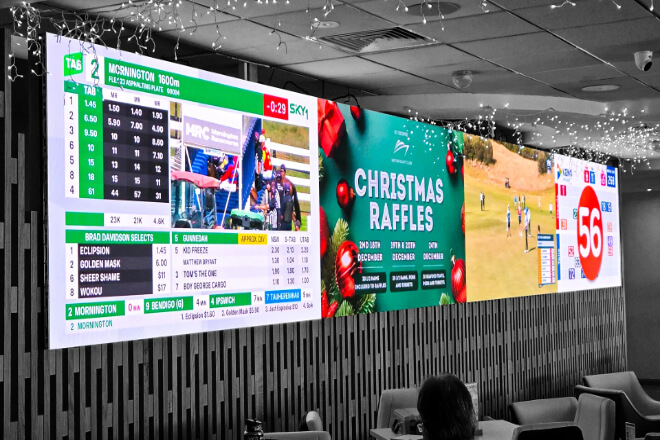
In the information-saturated era, for a brand to be remembered, it needs to be not only eye-catching but also memorable. LED displays are a great help in this regard.
Through dynamic images, vibrant colors, and cool special effects, it allows brand content to instantly stand out from the crowd, making it easy for the audience to remember your brand and products.
For example, at des expositions or new product launches, LED screens can simultaneously display the brand logo, product animations, and promotional information.
The images not only move but also change with music or interactive elements, keeping the audience’s eyes glued to the screen.
As audiences watch performances, they simultaneously encounter brand elements, subtly imprinting an impression in their minds.
The effects of LED displays extend beyond the event itself. For instance, if someone records a video at the event or replays the live stream, the animations and brand logos flashing on the screen will be seen again.
This repeated exposure deepens brand memory, making it easier for audiences to remember the brand even after the event ends.
At renowned exhibitions or concerts, brands using LED floor tiles or backdrops not only create a stunning visual impact at the event.
But also generate secondary dissemination through social media reviews, ensuring the brand image remains in the audience’s mind for a long time.
In short, LED displays are not just cool visual tools but also powerful instruments for enhancing brand memorability.
They bring brands to life on organiser, at exhibitions, or at events, providing audiences with an enjoyable viewing experience and making it easier to remember the brand and products, thus forming a long-term impression.
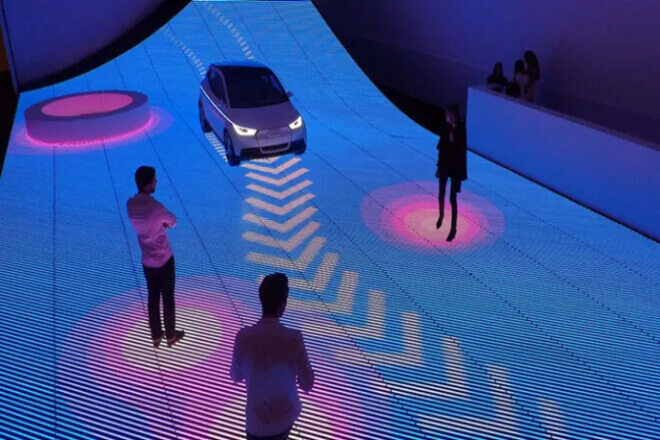
Telling brand stories is no longer just about words or speeches; audiences now prefer methods that are “visible and tangible.”
LED displays perfectly provide this possibility. Through multimedia content such as videos, animations.
And motion graphics, brands can vividly present their stories on organiser, at exhibitions, or at events, instantly captivating audiences.
For example, a technology brand at a new product launch not only used LED screens to display product specifications but also used animations to showcase the product’s development process, design philosophy, and application scenarios.
The dynamic content on the screen makes abstract brand concepts intuitive and tangible, allowing the audience to feel as if they are participating in the brand’s story.
Compared to simple text descriptions, this method is more likely to grab attention and make brand characteristics more memorable.
Dynamic content can also enhance emotional resonance with the brand. The light, shadow, colors, and animation rhythm on the screen can be combined with music or interactive elements to create emotional resonance with the audience.
For example, warm tones paired with soft animations can convey the brand’s humanistic care; fast-paced motion graphics paired with rhythmic music can reflect the brand’s innovation and vitality.
In this way, the brand story is not only seen but also “felt,” thereby enhancing persuasiveness and appeal.
In short, LED displays allow brand stories to move beyond mere words or verbal narration, bringing them to life through dynamic, multimedia means.
Audiences not only see products and concepts, but also connect with the brand visually and emotionally, making the brand story more vivid, attractive, and memorable.
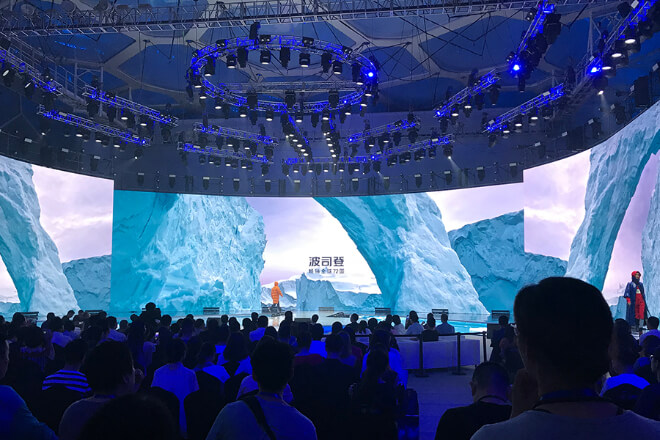
In today’s world, environmental protection and sustainable development are receiving increasing attention.
Brands not only need to attract attention but also make their communication methods more environmentally friendly.
Compared to traditional paper advertisements, banners, and light boxes, LED displays have inherent environmental advantages.
They do not require large amounts of paper and printing materials at once, generate no waste, have a long lifespan, and can repeatedly play content, reducing resource waste.
For example, in large events or des expositions, traditional advertising may require printing numerous posters and banners, while an LED display only needs one screen to continuously play different content and update information at any time.
This not only saves on paper and printing costs but also reduces the environmental burden caused by transportation and waste disposal.
More importantly, using LED displays can also enhance a brand’s social responsibility and environmental image.
When audiences see a brand using environmentally friendly digital methods to communicate information, they subtly develop a positive impression of the brand: not only are the products or services trustworthy, but the brand itself is also contributing to environmental protection.
In the long run, this green communication approach can create a more positive brand image, allowing consumers to appreciate the content while also embracing the brand’s environmental philosophy.
Simply put, LED displays not only make brand communication more efficient and flexible, but also help brands use less paper and conserve more resources.
It allows brands to attract attention while contributing to environmental protection, shaping a more socially responsible and modern brand image.
 English
  Español
  简体中文
简体中文  Français
  日本語
日本語  한국어
한국어  العربية