
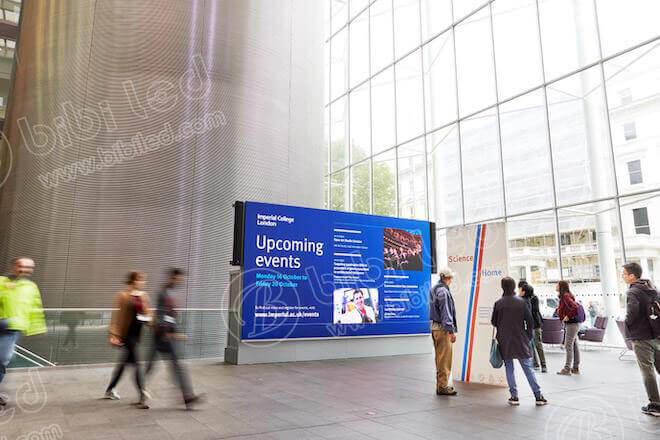
In schools and universities, display devices have become an indispensable part of classroom and campus life.
Teachers use flexible teaching methods, and students interact frequently, making the demand for display devices not only functional but also focused on practical user experience.
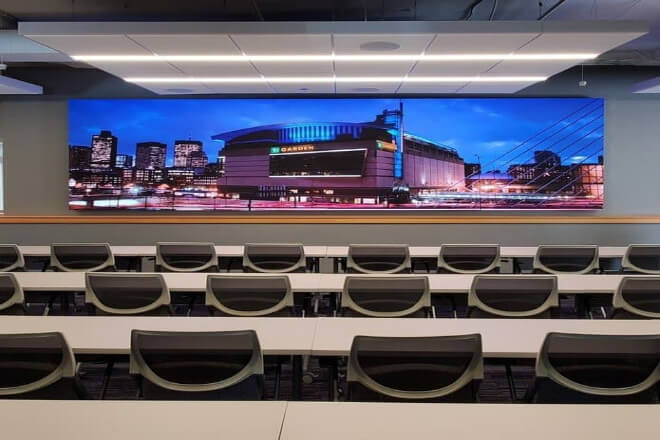
1). Classrooms and Multimedia Classrooms
In classrooms, LED displays are increasingly replacing old projectors and LCD screens.
They offer clear images and bright colors, are not too harsh on the eyes even after prolonged viewing, and are very easy to operate, requiring almost no effort from teachers for adjustments.
During class, the screen can directly display the teacher’s PPT presentations, experimental demonstration videos, or even allow students to participate in interactive quizzes.
Imagine, in a biology class, the teacher projects the cell structure under a microscope onto the large screen, allowing even students in the back row to see clearly, which is much better than the blurry images from projectors used before.
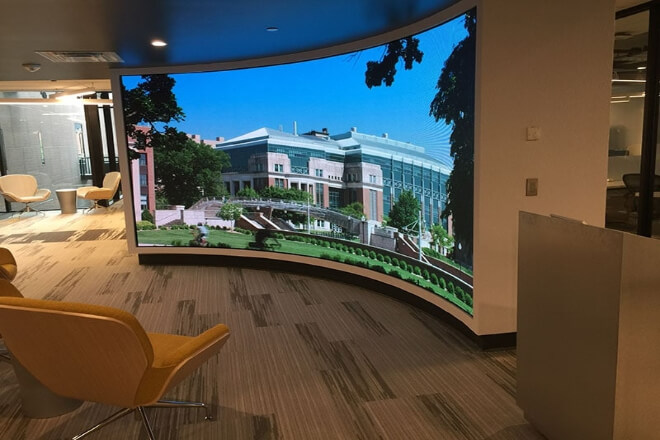
2). Campus Lobbies and Corridor Information Screens
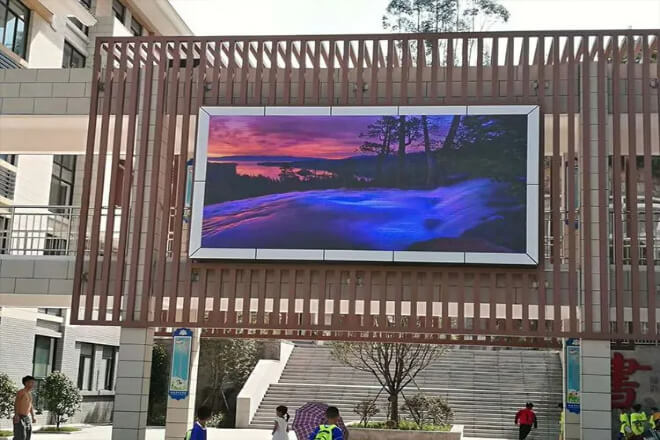
Walking through the campus lobby or corridors, you’ll see LED screens displaying the day’s campus schedule, club activity arrangements, or competition information.
Haut luminosité ensures the screen remains clearly visible even in sunlight, and content can be updated quickly, allowing for timely replacement of school announcements or activity notices.
For example, during the club recruitment season, the screen will scroll through the activity information and registration methods of various clubs, allowing students to easily find clubs they are interested in without having to ask around.
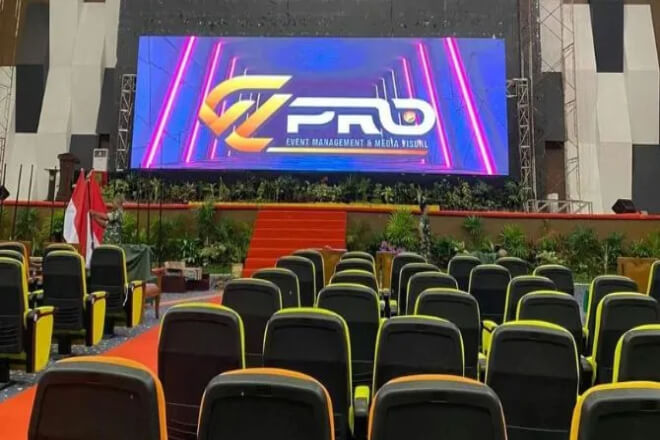
3). Des sports Stadiums and Multifunctional Activity Halls
In sports events or large-scale campus activities, LED screens play a significant role.
They can not only display competition scores but also broadcast live footage, allowing even distant spectators to see every exciting moment.
Or, during campus performances or lectures, the screen can simultaneously display videos, subtitles, and presentation content, ensuring that even those far from the stage don’t miss any of the highlights.
Imagine, during a tense basketball game, the score and exciting replays are displayed on the big screen, instantly creating an electric atmosphere.
4). Campus Outdoor Advertising and Landmark Displays
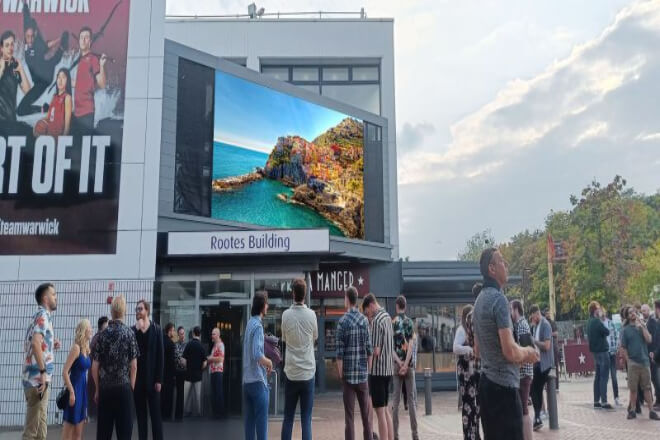
Écrans LED extérieurs are not only information dissemination tools but also the “business card” of the school.
They are bright and weather-resistant, displaying content normally even in rain or bright sunlight.
During open days or the enrollment season, the screen can display campus promotional videos, route guides, or content from partner companies, attracting the attention of visitors.
Walking through the campus gate, you can feel the vitality and atmosphere of the school. Compared to monotonous bulletin boards, this dynamic visual effect is more eye-catching.
In short, LED displays make campus life more intuitive, efficient, and interesting. Whether in the classroom, checking information in the corridor.
Or at sports events or campus activities, the screen makes information more vivid and makes it easier for everyone to participate.
The value that LED displays bring to schools and universities is not just about aesthetics; it provides tangible benefits to teaching and campus management.
First, it can improve teaching effectiveness and enhance classroom interaction. Teachers can use high-definition large screens to display PPTs, experimental videos.
Or interactive quizzes, making it easier for students to understand key concepts and encouraging active participation in class discussions.
For example, in a math class, displaying student answers in real-time on the screen allows the teacher to immediately see the overall situation and adjust their teaching strategy accordingly, making the class more dynamic.
Secondly, it greatly optimizes the efficiency of campus information dissemination. In the past, bulletin boards or email notifications were sometimes overlooked.
But LED screens can continuously display campus activities, event information, or emergency notices 24/7.
Teachers and students only need to walk through the corridor or lobby to see the latest news, resulting in a higher information reach rate and more convenient management.
Thirdly, it helps to strengthen the school’s image and brand appeal. Whether it’s for orientation days, recruitment campaigns.
Or large-scale campus events, the dynamic display of LED screens makes the school look more modern and vibrant, leaving a lasting impression on external visitors and potential students.
The videos and promotional content displayed on the screen can even reflect the school’s educational philosophy and characteristics, becoming a “business card” for the campus.
Long-term use is cost-effective, and maintenance is simple. LED displays have a long lifespan and high stability, requiring almost no frequent repairs or lamp replacements, and are easy to operate. Schools can save on maintenance costs and labor.
From a return on investment perspective, although the initial investment is slightly higher, the screen’s applications in teaching, promotion.
And activities can bring continuous value, truly reflecting “educational value + return on investment.”
When purchasing and installing LED displays for schools or universities, several key points need to be considered in advance.
This not only ensures the actual effectiveness of the screen but also avoids future problems.
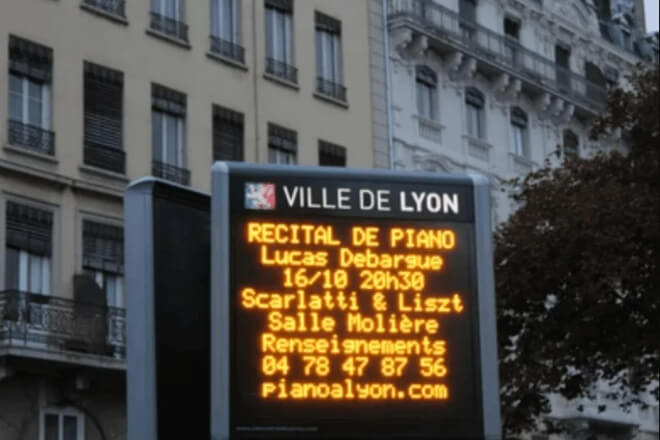
First is the matching of screen size and distance de visualisation. Classrooms, corridors, gymnasiums, and outdoor squares have different spatial sizes, requiring the selection of appropriately sized screens.
For example, a small screen is sufficient in a classroom, but a large screen is needed in a gymnasium or outdoor activity area to ensure that students or audiences sitting far away can clearly see the content.
Proper matching of size and viewing distance truly enhances the user experience.
Secondly, the installation environment and luminosité, and protection level are crucial. Indoor and outdoor environments are very different.
Outdoor LED screens need to be waterproof and dustproof, and have higher brightness to cope with direct sunlight or complex weather conditions.
Although indoor screens have lower protection requirements, brightness, contrast, and eye protection design should not be ignored.
Understanding the installation environment in advance can avoid the embarrassment of buying a screen that doesn’t perform as expected.
Third, the supplier’s after-sales service and installation capabilities are critical. LED screen installation involves wiring, fixing, and debugging. If the supplier is unprofessional, later maintenance or content updates will be affected.
Choosing an experienced supplier ensures smooth screen installation and timely response to problems, reducing disruption to teaching and activities.
Fourth, the content management system and ease of operation are also important factors. The screen is not just there; it needs to be easy to update content, switch screens, and interact with.
If the operation is complicated, teachers or administrators may be unwilling to use it, significantly reducing the screen’s value.
An intuitive and easy-to-use content management system makes information dissemination more efficient and fully utilizes the screen’s multi-functional capabilities.
 English
  Español
  简体中文
简体中文  Français
  日本語
日本語  한국어
한국어  العربية