
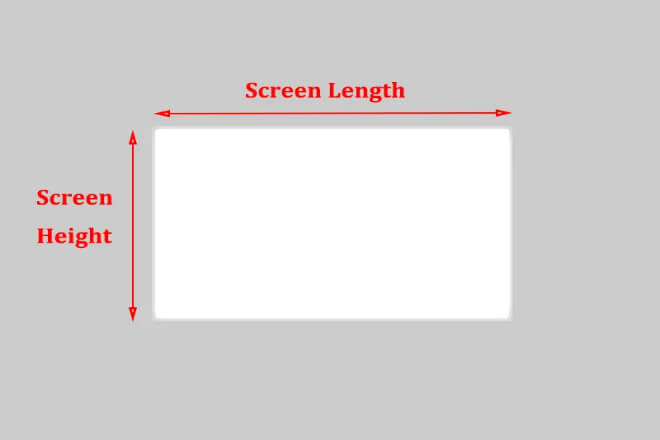
Al elegir un LED display screen, the first consideration should be the size of the event venue. Small indoor conferences or exhibiciones have limited space.
So there’s no need to use a large screen that takes up too much space and makes the entire stage look disproportionate.
In this case, you can choose a single small screen or combine several small screens to display content flexibly.
This not only saves space but also ensures that every audience member can clearly see the information on the screen, without any issues of unclear or obstructed views.
For large venues or outdoor plazas, the situation is completely different.
When the audience is far from the escenario, a small screen can easily make it difficult to see the content. Therefore, a large screen is necessary to improve viewing distance.
The larger the screen, the more easily viewers at a distance can see the image, and it also makes the stage and the entire event appear more impressive and professional.
Besides the size of the venue, the stage proportions and the audience’s visual coverage must also be considered.
A screen that is too small will make the stage appear empty, while a screen that is too large may distract the speaker or performer, diverting the audience’s attention.
Choosing the right screen size ensures that the displayed content is prominent without disrupting the overall stage layout.
Providing a comfortable viewing experience for every audience member, and making the entire event look more harmonious and layered.
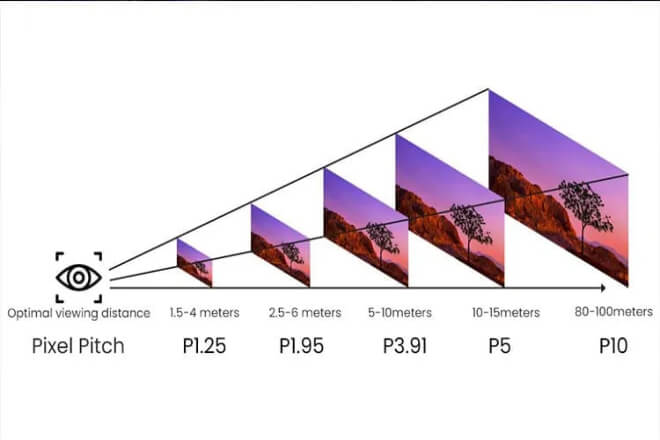
When selecting an LED display screen, in addition to considering the size of the venue, special attention should be paid to the distance between the audience and the screen.
If the front-row audience is very close to the screen, and the pixel pitch is too large, the image will have noticeable graininess, appearing blurry and lacking detail.
This not only affects the viewing experience but also easily causes eye strain.
To address this issue, screens designed for close-up viewing should ideally be small-pitch, high-resolución models.
This ensures that even those in the front rows can see a clear, detailed image without blurring of text or images.
The opposite is true for viewers at a distance.
The greater the distance, the less noticeable pixelation becomes. Therefore, screens with slightly larger tamaño de píxel but larger screen sizes are preferable.
This allows distant viewers to see the entire content without squinting or missing any information.
This is especially important in large venues or outdoor plazas. A screen that is too small resembles a “poster that’s hard to see from a distance,” completely negating its display effect.
In short, screen size and resolution must be matched to the viewing distance. Those in the front rows should be able to see details clearly.
While those at a distance should be able to see the entire image, providing a comfortable viewing experience for everyone.
A good match prevents viewers from missing content due to blurry images or eye strain, making the entire event appear more professional and creating a smoother, more natural viewing experience.
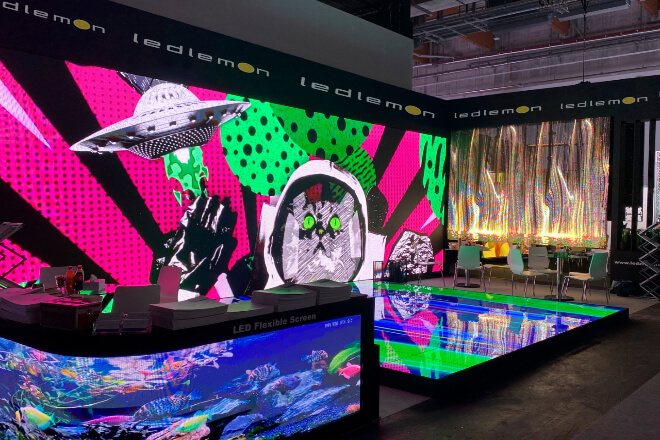
When choosing Pantalla LED size, simply considering the venue size and audience distance is insufficient; the type of event and its interaction needs must also be considered.
Different events have completely different screen requirements.
Por ejemplo, exhibiciones or roadshows often require displaying multiple content simultaneously: product information, brand promotion, real-time interactive data, etc.
In this case, the screen doesn’t necessarily need to be enormous, but it must have sufficient display area and flexible layout, allowing the audience to see all important information at a glance and facilitating their interaction.
For example, touch controls, QR code scanning, or other interactive elements make the audience feel like they are “participating” rather than just watching.
However, for concerts, award ceremonies, or large-scale stage events, the focus of the screen is more on enhancing the escenario‘s impact and visual appeal.
The stage lighting, performance, and screen display must work together to ensure that the audience, whether seated in the front or back rows, can feel the atmosphere and every detail of the stage.
This is where a large screen becomes essential. It covers a wider field of vision, making the stage look more imposing, instantly maximizing the sense of presence.
And making the event appear more professional and engaging. If the event includes interactive elements, such as close-up operation of touchscreens, games, or voting, the screen size must also consider ease of use.
A screen that’s too large might make it inconvenient for front-row viewers to reach out and operate, while a screen that’s too small might negatively impact the overall experience.
Choosing the right screen size means finding a balance between display effectiveness and engagement.
Ensuring the screen can present information while allowing for easy audience interaction, making the entire event more engaging and memorable.
In this way, whether it’s an exhibition, roadshow, or concert, the large screen becomes more than just “displaying content.”
It becomes the core medium of the entire event, allowing viewers to experience the atmosphere and enjoy participation while watching.

Al elegir un Pantalla LED, budget is often the key factor determining screen size.
While large screens offer a stunning and impressive effect, they are also expensive, requiring significant investment, whether purchasing or renting.
In contrast, smaller screens are cheaper and easier to transport and install, but a screen that’s too small might make it difficult for distant viewers to see clearly, or diminish the overall escenario impact.
Therefore, when choosing screen size, organizers need to consider their budget and actual needs to find the most cost-effective solution.
For example, if the budget is limited, renting LED screens can be considered instead of purchasing the entire system.
Alternatively, a split-screen approach can be used, combining several small screens to create a large screen.
This not only ensures viewing quality but also significantly reduces costs. This makes the event look professional and impressive without straining the organizer’s budget.
Furthermore, the screen solution can be flexibly adjusted according to the type of event.
Small conferences or exhibiciones can use small screens to display information, while medium to large events can choose a core large screen combined with auxiliary small screens.
Ensuring that audiences at a distance can clearly see the content while maintaining the overall visual balance of the stage.
In short, balancing cost and effect ensures a good audience experience while allowing organizers to achieve the best results within their budget.
Making the LED screen both eye-catching and practical, without becoming a burden on the event.
 English
  Español
  简体中文
简体中文  Français
  日本語
日本語  한국어
한국어  العربية