
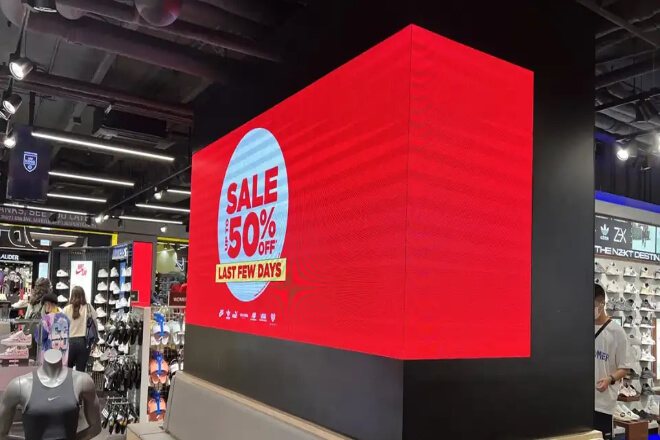
A walk through a centro comercial will reveal that what most easily catches the eye isn’t a poster that’s been hanging for half a month, but rather a moving, illuminated, and constantly updated LED display screen.
Its presence acts like a “visual megaphone” for the store, unconsciously drawing the attention of passersby.
For brands, those few seconds of attention often translate into significant exposure.
For example, at the entrance of a clothing store on the first floor of a mall, you’ll often see a gran pantalla LED displaying new product fashion shows.
The way the models turn and sway, combined with the lighting effects, easily makes people think, “This store seems quite stylish,” naturally drawing them closer.
Similarly, cosmetic stores also like to display “before and after” comparisons of their products.
Customers who are just passing by, upon seeing the difference between “bare face vs. made-up face” on the screen, will immediately think: “The effect is quite noticeable.”
In specialty stores, this is even more common. Sports brands like to show clips of their celebrity spokespeople training on screens, and some customers will even stop to watch because they see their favorite star.
When demonstrating TV picture quality, home appliance stores often display dynamic comparisons of different modes on the screen.
You don’t need salespeople to explain much; customers can see the difference themselves, making them more easily attracted.
In short, the advantage of LED displays is not just “brightness,” but “brillo with content.” It makes brands stand out and have a presence.
And it also makes customers want to “go in and take a look,” making brand exposure more natural and effective.
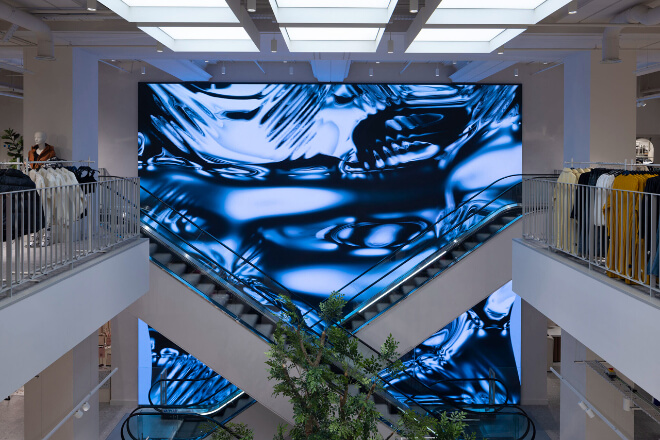
LED displays not only grab customers’ attention but also make shopping more interesting, creating an immersive experience.
Compared to traditional static displays, dynamic screens bring products to life, allowing customers not only to look at the merchandise but also to experience its use in everyday life.
For example, in home appliance stores, when you walk in, the color contrasts, temperature control animations, or operation demonstrations displayed on the screens are like telling you, “Try me, you’ll find it very convenient.”
You can even imagine yourself using these products; this experience is more convincing than simply looking at labels.
Clothing stores also frequently use LED screens to showcase model catwalks or styling recommendations, allowing customers to not only see the clothes themselves but also imagine how they would look on, like trying them on in advance.
Interactive advertising and smart navigation are also clever ways to enhance the experience.
The wayfinding screens in large shopping malls often have touch-sensitive navigation features, allowing you to directly find store locations, product information, and even participate in mini-games or prize draws.
Imagine you’re shopping in a mall, and an LED screen pops up a notification: “Your favorite brand’s new products are on the second floor, section A,” or displays real-time discount information.
This kind of “thoughtful reminder” easily guides you to shop according to the screen’s instructions, making it both convenient and fun.
In summary, LED displays are not just “visible advertisements,” but more like dynamic shopping guides and experience assistants.
Transforming customers from passive viewers to active participants, making shopping more vivid and engaging, and naturally enhancing brand affinity and purchase desire.
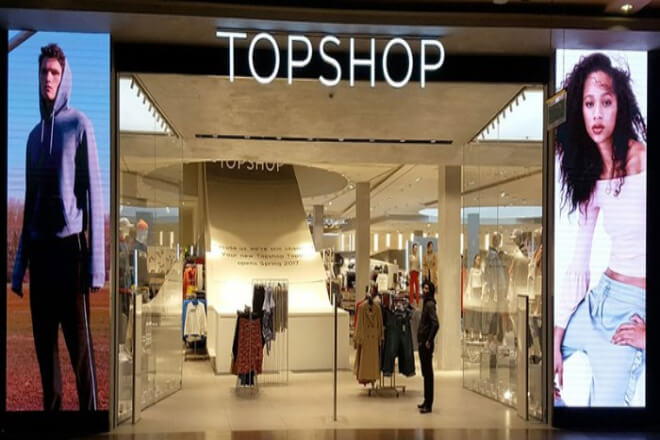
In retail stores, LED displays are not only aesthetically pleasing and functional, but also help businesses save on daily expenses.
Compared to traditional neon lights or old-fashioned light boxes, LED screens consume less power and generate less heat.
Even if a store operates for more than ten hours a day, electricity costs are much lower than with traditional equipment.
At the same time, the store environment won’t become stuffy due to equipment heat, making shopping more comfortable for customers.
Furthermore, LED displays have a long lifespan and low maintenance costs, making them ideal for long-term use.
The lifespan of a typical LED screen can reach 50,000 to 100,000 hours or more.
For retail stores, this means that even with daily operation and year-round use, it can last for several years without needing replacement.
For example, a clothing store invested in an LED advertising screen to continuously display new products and promotional information.
The screen has operated stably for many years with almost no malfunctions and requires minimal repairs.
Compared to traditional light boxes that require bulb replacements or circuit adjustments every few months, LED displays offer significant savings in manpower and costs, and reduce the hassle of downtime for maintenance.
Therefore, LED displays are an environmentally friendly and economical long-term investment choice for retail stores.
They not only make brand image more vibrant and attractive to customers, but also save stores money and effort in daily operations, achieving true “sustainable revenue.”
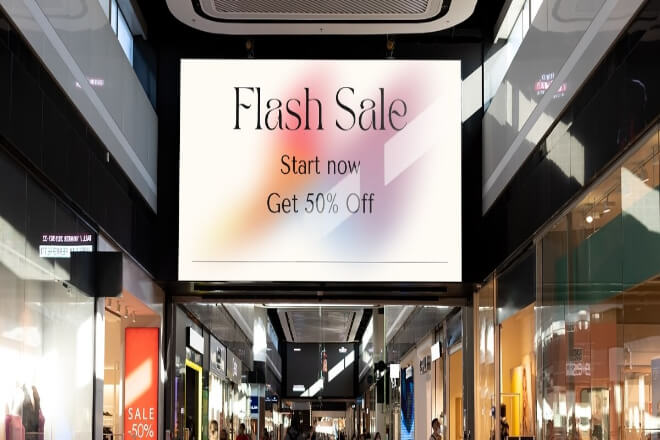
In retail stores, LED displays not only attract customers but also directly influence purchasing decisions, making sales more efficient.
By displaying promotional information, discounts, or popular items in real time, customers can quickly obtain key information while browsing, thus accelerating their decision-making.
Compared to static posters or flyers, LED screens can be updated with content at any time, making promotional activities and best-selling product displays more flexible and intuitive.
For example, a clothing store might install an LED screen at its entrance to display daily discounts, flash sales, and new product recommendations in real time.
As customers pass by, the screen scrolls through messages like “Limited to 5 best-selling items, first come, first served” or “New arrivals today.
Buy two get one free!” This immediate information creates a sense of urgency, making customers more likely to enter the store and place an order.
Similarly, electronics retailers often use LED screens to display comparisons and special offers on popular models, allowing customers to quickly see the most cost-effective option and reducing hesitation time.
Moreover, LED screens can increase purchasing motivation through interactive elements.
For example, some cosmetics stores display “Scan the code to participate in a lucky draw” activities on their LED screens, making it easier for customers to be guided to select products through interaction.
Practice in multiple retail stores shows that the effective use of LED displays significantly improves the conversion rate of promotional activities, especially for new product promotions and limited-time offers.
In summary, LED displays are not only tools for displaying information but also effective means for retail stores to improve sales efficiency and drive conversion rates.
They bring promotional information to life, providing customers with clearer purchasing guidance during the shopping process, thereby achieving sales growth.
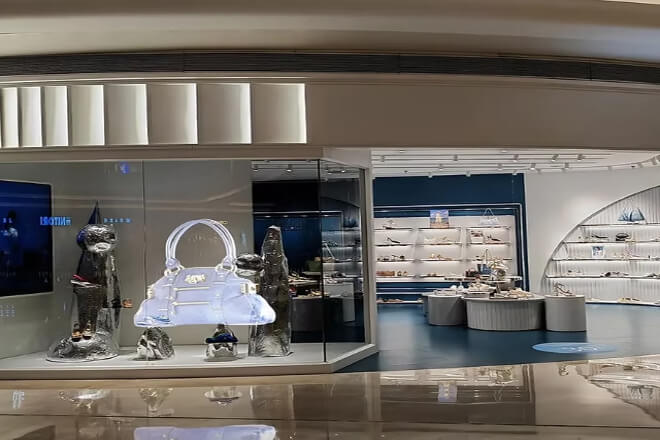
Another major advantage of LED displays is their highly flexible content management.
For retail stores, the content displayed can vary drastically depending on the time of day and the event—new product recommendations in the morning, discounts in the afternoon, and holiday or best-selling items in the evening.
LED screens can be adjusted in real time, keeping store information fresh and more likely to capture customer attention.
Most LED screens now support remote management, allowing staff to easily modify content using a computer or mobile phone, even when not physically present.
For example, a cosmetics store’s LED screen can display new product launches and skincare tutorials in the morning.
Switch to discount information at noon, and then switch to holiday gift sets and best-selling bundles in the evening.
Chain stores benefit even more: multiple LED screens can be managed centrally or divided into sections to display different content, allowing each store to showcase the most suitable promotions.
For instance, a clothing chain can simultaneously display the same themed event in its flagship store and branches, and can flexibly adjust certain displays based on each store’s sales performance.
Flexible updates are not only labor-saving but also more effective. One retail store successfully turned slow-moving items into hot-selling products by using LED screens to update discount information and best-selling recommendations in real time.
And could also observe customer reactions to different content, providing insights for future marketing strategies.
In summary, LED displays are more than just “lit billboards”; they’re like helpful assistants for retail stores, constantly “advertising, driving traffic.
And promoting sales,” making brand promotion more vivid and the customer shopping experience smoother and more engaging.
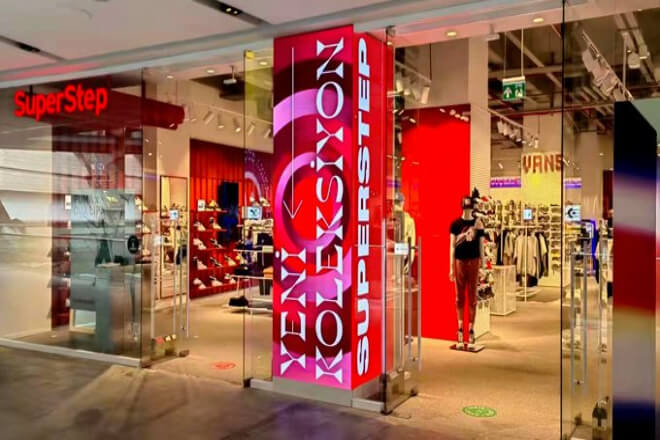
In a retail store, the first visual impact often determines whether a customer stops. LED displays, with their ultra-high image quality and high contrast, make advertising content look more vivid and attractive.
Whether it’s vibrant clothing colors, exquisite cosmetic packaging, or the detailed design of home appliances.
LED screens can clearly present them, making customers feel as if the images are “right in front of them.”
Compared to traditional LCD screens or projection equipment, LED screens have higher brightness and stronger contrast, maintaining clear images even in complex lighting conditions like shopping malls or direct sunlight.
For example, in a clothing store, when an LED screen plays videos of models wearing clothes.
The colors, textures, and details of the garments are incredibly realistic, making customers feel like they’re watching a mini fashion show.
When showcasing TV or refrigerator features in appliance stores, dynamic demonstrations allow customers to instantly understand the product’s advantages, providing a more intuitive experience than static posters.
Furthermore, LED screens support large-size displays without distortion, making them particularly effective for large-screen advertisements at store entrances or in mall aisles.
A high-definition LED screen can grab a customer’s attention from afar, compelling them to approach and even sparking interest in purchasing.
In short, ultra-high image quality not only makes advertisements more attractive but also enhances the brand’s image, allowing retail stores to stand out in a highly competitive environment.
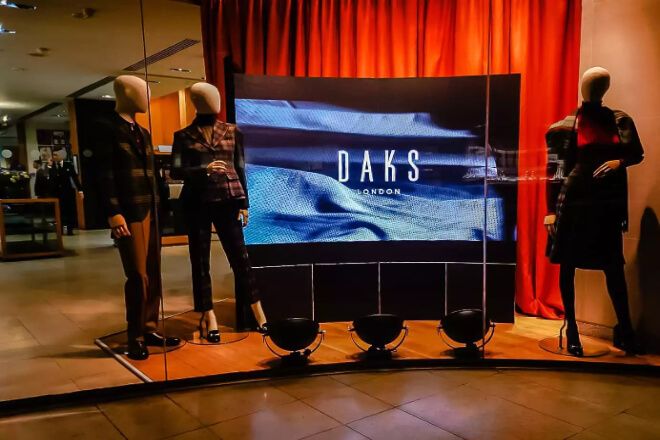
A major advantage of LED displays is their highly flexible installation, adaptable to almost any retail scenario.
Whether it’s a large screen at a mall entrance, a freestanding display screen inside a store, or an outdoor billboard, LED screens can be customized to fit the actual space, seamlessly integrating the store and the screen.
They also offer a wide variety of sizes and shapes. Curved screens on mall ceilings can surround the customer’s line of sight, increasing immersion.
Small specialty stores can choose vertical or wall-mounted screens to display new products and promotional information.
Outdoor billboards can even be custom-shaped to resemble buildings, seamlessly integrating the screen with the architecture.
Their placement is also highly flexible—entrances, windows, checkout counters, and walls can all be strategically placed to ensure customers always see brand information.
For example, a clothing store might install an LED screen in its window to display fashion shows and quickly change content for holidays or promotions, attracting more customers.
Chain brands in shopping malls use LED screens of different sizes and shapes across different stores, achieving unified management without sacrificing aesthetics.
In short, LED displays can be freely combined and arranged according to the actual situation of a store, making brand presentations more vivid and attractive, while not taking up too much space, making the store look cleaner and more vibrant.
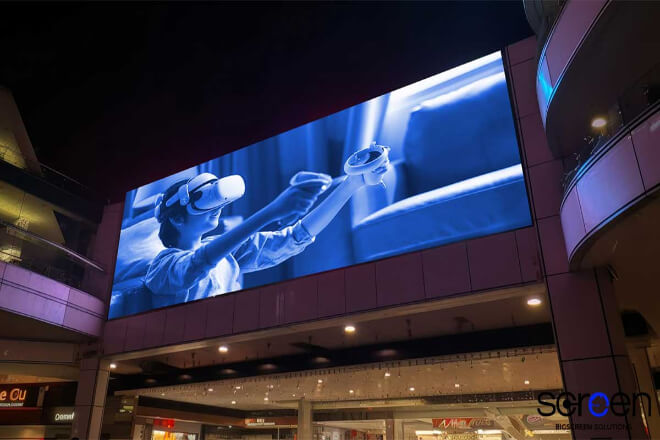
LED displays not only showcase products and promotional information but also help retailers create a modern, technologically advanced brand image.
In a highly competitive retail environment, a striking, technologically advanced LED screen can create a “fashionable, professional, and trustworthy” first impression on customers, thereby increasing brand recognition.
For example, some well-known clothing brands use large LED screens at the entrance of their flagship stores to play dynamic fashion show videos and trendy styling recommendations.
Allowing customers to immediately feel the brand’s fashionable atmosphere upon entering the store.
Cosmetics brands use LED screens inside their stores to display skincare tutorials and product usage effects, giving customers a high-tech and professional impression, making the brand image more deeply ingrained in their minds.
Even some chain electronics retailers use LED screens to showcase the latest technological features of their products and creative advertisements, allowing customers to feel that the brand is always at the forefront of fashion while shopping.
Through LED displays, retail stores can not only make their brand image more distinctive but also enhance customers’ brand recognition and favorability.
The dynamic content, high-definition image quality, and interactive experience on the screen make customers feel that the brand is vibrant and innovative.
Making it easier to form the impression that “this store is trustworthy and worth returning to.”
 English
  Español
  简体中文
简体中文  Français
  日本語
日本語  한국어
한국어  العربية