
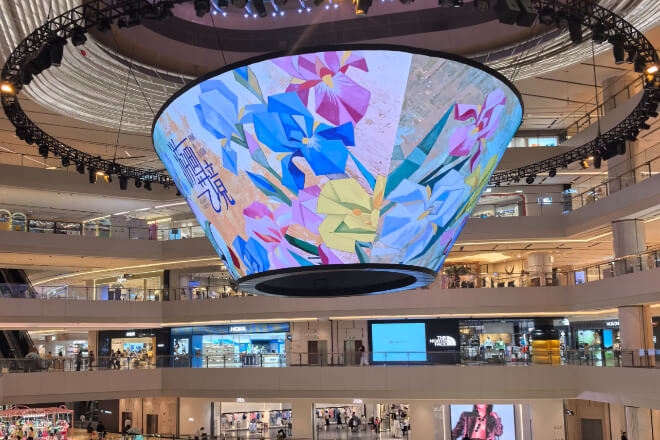
Previously, when purchasing LED显示屏, many customers’ primary concern was: “How much does this screen cost?”
Now things are different. With increased market transparency, price differences between different products are easier to compare.
However, after purchasing and using them, many people find that what truly impacts project outcomes is often not the numbers on the quote, but the screen’s performance after installation.
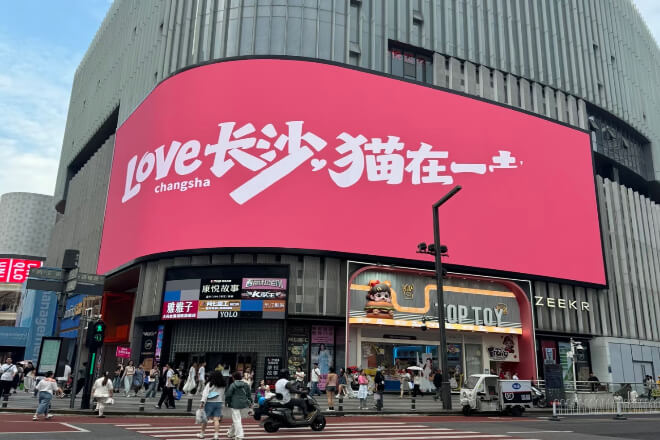
Many customers, when purchasing LED displays for the first time, will ask: “How much does this screen cost per square meter?”
This is a normal question, but if you only decide based on the price, you easily overlook factors that truly affect the project’s effectiveness.
LED displays are not simple, standardized products. Even for the same screen, different pixel pitches, sizes, 亮度 requirements, and usage environments will result in significant price differences.
例如, 小间距LED屏 for close-up viewing in 购物广场 require higher 解决.
While outdoor advertising screens prioritize brightness, protection, and long-term stable operation, naturally leading to different costs.
Sometimes, a low quote may seem attractive, but it could lead to additional expenses later. For example, screen performance may not meet expectations, requiring an upgrade;
Installation structures may be incompatible, necessitating adjustments; and high failure rates during long-term use may increase repair and replacement costs. These hidden costs often outweigh the initial budget savings.
For instance, some companies choose lower-priced LED displays to control their budgets, only to find insufficient detail at close range after installation.
Failing to meet high-end display needs, ultimately forcing them to replace them with more suitable small-pitch LEDs.
Therefore, while price is important when purchasing LED displays, it’s only one criterion. The real focus should be on whether the product suits the usage scenario.
Whether the display effect meets requirements, and whether the long-term operating costs are reasonable.
The value of an LED display lies not only in its initial purchase price but also in its ability to operate stably and continuously generate value for the project over the next few years.
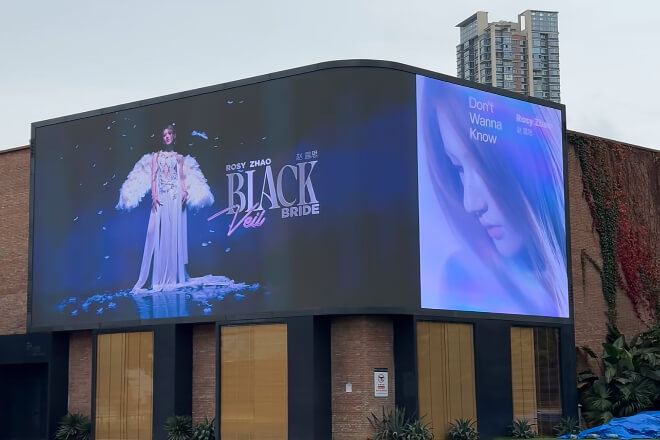
Many customers initially focus on the initial price when purchasing LED displays, but only after several years of use do they realize that the purchase cost is only a part of the overall project investment.
For projects requiring long-term operation, electricity costs, maintenance, parts replacement, and the impact of downtime are often the more critical factors.
能量消耗 is an easily overlooked factor. An LED display screen operating for 10+ hours a day, or even 24/7, will show its energy-saving design advantages over time.
Especially in long-term operating scenarios such as 购物中心 advertising screens, 飞机场 information screens, and control centers.
Small differences in power consumption can translate into significant operating costs after a few years.
Maintenance costs are equally important. Higher-quality LED displays are typically more stable in terms of LED consistency, drive systems.
And heat dissipation design, reducing issues like blackouts, inconsistent 亮度, and module failures.
Conversely, while lower-priced products require less initial investment, frequent repairs not only increase labor costs but also disrupt normal operation.
For example, if an LED display screen in a shopping mall atrium malfunctions during holiday promotions, it not only affects brand display but may also cause missed important marketing opportunities.
In scenarios like airports and transportation hubs, screen downtime can even disrupt information dissemination.
Furthermore, product lifespan is also a crucial factor affecting return on investment. Investing in the same LED display can have vastly different costs depending on whether one model can be used stably for many years or another needs to be replaced prematurely.
Therefore, when choosing an LED display, one shouldn’t only consider the initial purchase price but also the future investment required.
A truly valuable LED display should strike a better balance between stable operation, energy efficiency, and maintenance costs.
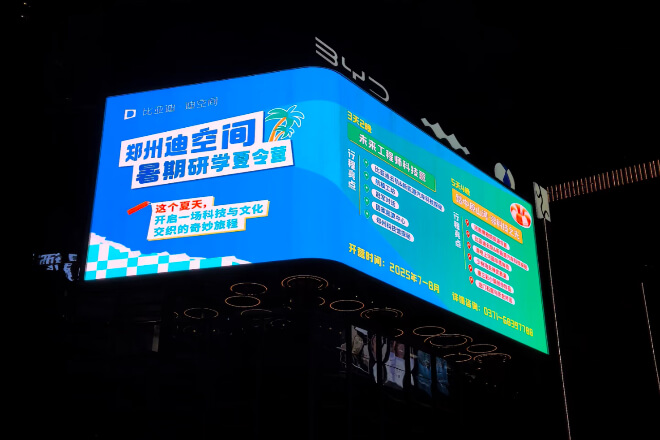
The value of the same LED display can be measured completely differently depending on whether it’s placed in a 购物中心, stadium, 户外广告牌, or event venue.
Many customers fall into the trap of comparing all products using the same standards. However, the usage scenario determines what constitutes a “worthwhile investment.”
In commercial spaces, the value of an LED display lies more in attracting attention and creating business opportunities.
For example, a large screen in a shopping mall atrium serves not only to display promotional content but also to showcase brands, promote events, and even manage advertising.
The attractiveness of the visuals, the ease of content updates, and the ability to enhance the spatial experience are often more important than price alone.
运动的 venues, on the other hand, prioritize stability and safety. During competitions, LED displays need to operate for extended periods, simultaneously displaying scores, replays, and advertising information.
If a malfunction occurs at a crucial moment in the competition, it not only affects the on-site experience but may also damage the event’s image.
Therefore, stable operation, high protection levels, and reliable performance are paramount.
户外LED广告屏 face entirely different challenges. Long-term exposure to sunlight, rain, and sandstorms requires screens with stronger weather resistance.
For example, large advertising screens in city squares and along highways, in addition to visual appeal, need to consider waterproofing, dustproofing, and stable performance under high temperatures.
For temporary projects such as concerts, exhibitions, and brand events, installation efficiency is crucial.
With limited event time, LED displays need to be quickly set up, adjusted, and dismantled while meeting on-site visual requirements.
Therefore, the value of an LED display is not simply determined by its price per square meter.
Commercial spaces need it to create attraction, sports venues need it to ensure stability, outdoor projects need it to withstand environmental challenges, and event sites need it to respond quickly.
Finding products that meet the specific needs of each scenario is key to truly realizing the investment value of LED displays.
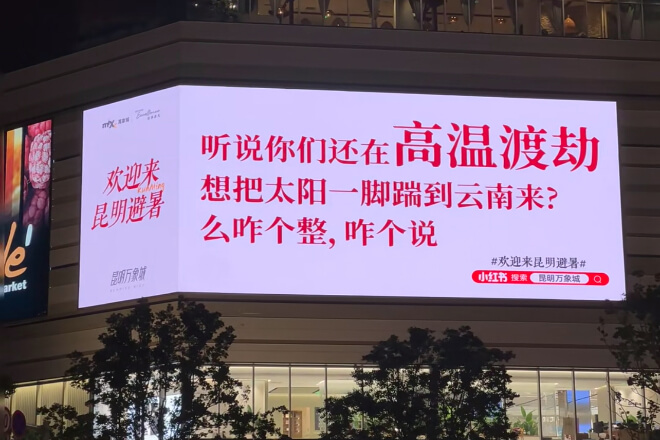
Many people believe that as long as an LED display screen “brightens and plays content,” it’s fine. However, after a period of use, the differences in quality become apparent.
The value of a screen lies not only in its appearance on the day of installation but also in its ability to maintain a stable and clear display experience over the long term.
亮度 is one of the most obvious differences. Different environments have completely different brightness requirements.
例如, 购物广场 need a soft and comfortable display, while outdoor plazas require sufficiently high brightness to see content clearly in sunlight.
If the brightness is not chosen appropriately, the screen may be either difficult to see or glaring, both affecting the viewing experience.
刷新率 also affects image quality. The difference may not be noticeable when displaying ordinary images.
But when the screen displays videos, dynamic advertisements, or fast-paced scenes, an insufficient refresh rate can cause flickering, ghosting, and other problems.
For live broadcasts, 阶段 performances, or brand events, stable and smooth image performance is crucial.
Color consistency determines whether a screen looks “high-end.” Imagine a large LED wall playing a brand promotional video;
If different areas have varying shades of color, or if some modules have significant color deviations, it will directly affect the overall visual effect.
High-quality LED displays typically utilize superior LED matching and calibration technologies to maintain a consistent display effect across the entire screen.
Furthermore, protective design also impacts the long-term user experience.
户外LED屏, in particular, need to withstand environmental changes such as rain, dust, and high temperatures.
Insufficient protection can easily lead to problems like decreased brightness and module failures later on.
For example, urban outdoor advertising screens and stadium displays often need to operate continuously for many years, making stability more important than short-term low prices.
Therefore, the quality of an LED display ultimately manifests in the user experience. From the initial viewing experience to operational stability years later.
A good product not only provides a comfortable viewing experience but also ensures peace of mind for project operation.
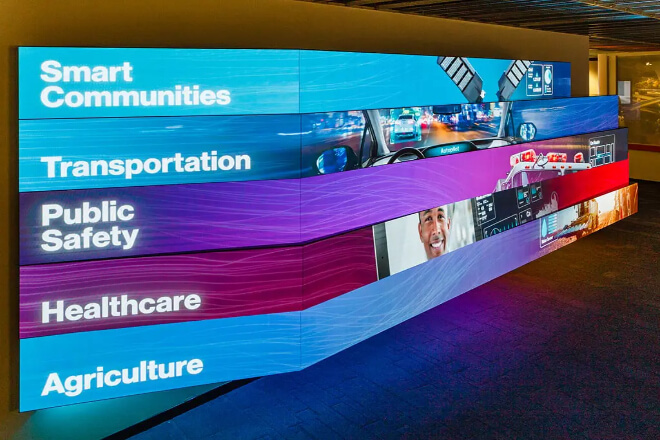
Many customers, when purchasing LED displays, often start by “sending quotes to several suppliers.” They compare price lists, seemingly favoring the lowest price.
However, many problems only emerge after the project is implemented: the effect differs from expectations, installation requires repeated adjustments.
And post-installation maintenance is slow… It’s then that they realize LED projects involve more than just price comparisons.
Having experience with similar projects is a crucial factor for any supplier. For example, shopping malls need visually appealing effects to attract consumers.
Stadiums require stable operation, and corporate showrooms prioritize high-definition displays and interactive experiences.
If a supplier is familiar with these scenarios, they can usually identify problems during the initial planning stages, rather than adjusting them after installation.
Real-world case studies are also invaluable. Instead of a supplier claiming their product is excellent, examine their past projects.
For instance, have they served large 购物广场, brand showrooms, 机场, 或者 sporting events?
These projects provide a more direct reflection of their technical capabilities and project experience.
Furthermore, installing an LED display screen isn’t the end of the story. Subsequent use may involve system debugging, content management, and module replacement.
At this point, the supplier’s technical support and after-sales response speed become critical.
Especially at shopping mall events, press conferences, or performances, the losses incurred while waiting for repairs can far exceed the repair costs themselves.
The installation team’s experience is equally important. The final effect of an LED screen depends not only on product specifications but also on splicing accuracy, on-site debugging, and the overall installation quality.
A good installation team ensures a better display effect and reduces problems during later use.
Therefore, when choosing an LED supplier, ask a few questions: What similar projects have you completed? Do you have a complete portfolio?
How is after-sales service guaranteed? Is the installation team professional?
Price determines the procurement cost, but the supplier’s overall capabilities determine whether the screen can truly deliver value over the next few years.


 English
  Español
  简体中文
简体中文  Français
  日本語
日本語  한국어
한국어  العربية