

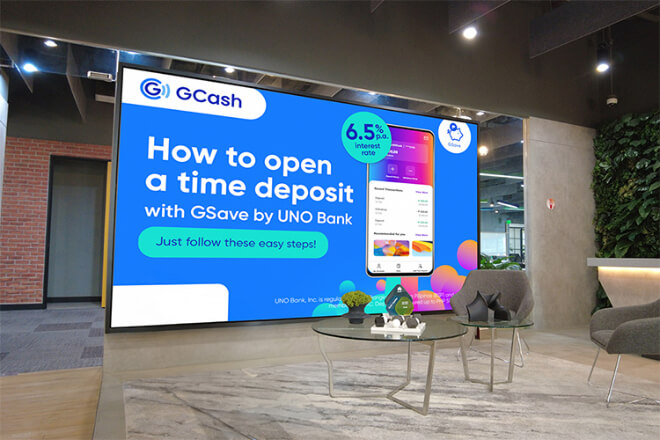
The most frustrating thing about bank lobbies isn’t actually the transactions themselves, but rather—not knowing how long you’ll have to wait or where to go.
The role of LED显示屏 is to clarify this uncertainty.
First, real-time queuing and call number displays make waiting visible. Now, you can directly see your number, how many people are ahead of you, and your estimated wait time, without constantly staring at the window or repeatedly asking staff.
To illustrate: before, you were “sitting there waiting idly”; now, you can look up at the screen and have a general idea of your situation.
Secondly, guidance and prompts at different service windows can reduce the occurrence of customers “going to the wrong queue.”
For example, for personal banking, corporate banking, account opening, and wealth management.
Clear information on the screen indicating the corresponding window and current queue status helps customers find the correct location more quickly.
More interestingly, this actually helps to “pre-emptively divert” customers, rather than waiting until they reach the counter to readjust.
Another common example is when someone is in the wrong queue; seeing the screen prompt and adjusting immediately prevents the entire hall from becoming stuck at one window.
Simultaneously, it significantly reduces waiting anxiety. Waiting is unavoidable, but “not seeing the progress” is the most anxiety-inducing. LED displays present real-time progress information, making waiting a “predictable” process.
Finally, it improves overall processing efficiency. Clearer information, smoother flow, more even pressure on counters, and more stable operation of the entire hall.
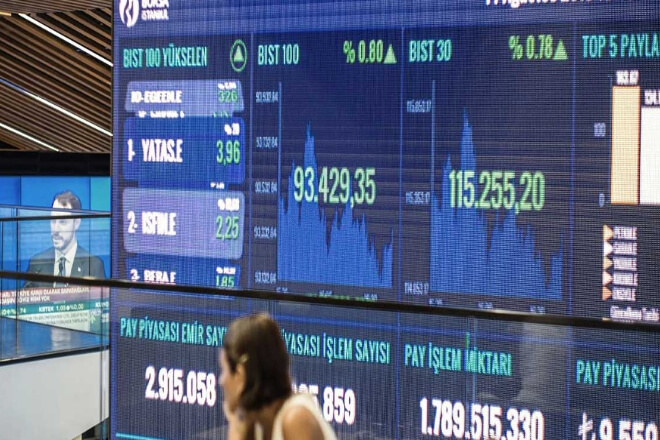
In banks or financial halls, there is always “a lot” of information. The problem isn’t whether there’s content, but whether customers see it and understand it.
The value of LED屏幕 lies in making this information more intuitive and timely.
Firstly, financial products and activities can be displayed dynamically, no longer just fixed posters on the wall.
For example, new fund launches, investment promotions, and limited-time subscription reminders can all be displayed in a rotating format, with the focus adjusted according to time periods.
A common scenario is: promoting stable financial products in the morning, switching to fund product introductions at noon, and emphasizing activity deadline reminders in the afternoon.
Secondly, real-time updates of interest rates and announcements make information more “credible and timely.”
For example, deposit interest rate adjustments, policy updates, and service notifications can all be displayed on the screen immediately, eliminating the need for reprinting materials and avoiding information delays.
More interestingly, this “real-time update experience” itself increases customer trust—because they see “information that is changing,” not “old announcements.”
Another example is a customer entering a lobby and immediately seeing a scrolling message on the screen indicating “the latest interest rate has been adjusted,” which is more direct than paper posters.
Furthermore, it can replace traditional paper posters, making the space neater and reducing repetitive production costs.
In the past, a wall covered with advertisements for different products could now be displayed uniformly on a single screen, with content that can be changed at any time.
Finally, it improves the speed of information delivery and comprehension. Dynamic visuals + highlighting key points + looping playback are more noticeable and easier to remember than static text.
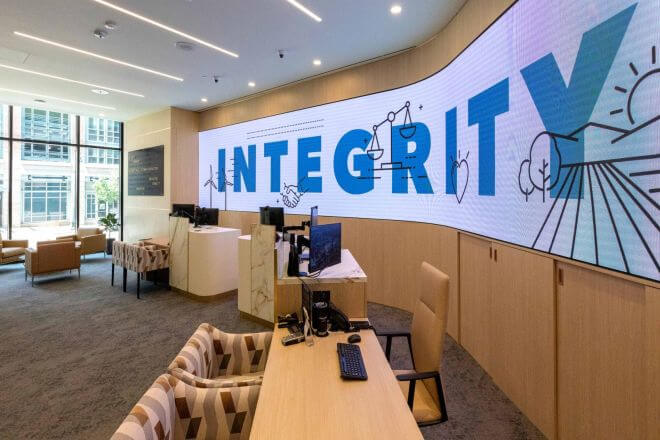
In bank branches, LED screens do more than just “broadcast information”; they also play a crucial role in making the space appear more “credible and modern.”
First, brand promotion and corporate culture can be presented more vividly.
Instead of just slogans or posters on the walls, videos, animations, and case studies can be used to explain service philosophies, development history, and social responsibility in a more concrete way.
For example, a scrolling display of customer service case studies and public welfare activities on an LED screen is more impactful than simply stating “customer-centric.”
Second, it significantly enhances the technological feel of the space. The dynamic visuals of the LED屏幕 transform the branch from a traditional “counter-style space” into a more digital and information-driven environment.
For example, a large screen in the lobby that displays content in real time gives the overall feel of a “modern financial center” rather than a traditional branch.
Another common experience is that customers seeing dynamic brand visuals and data-driven displays upon entering are more likely to create a “this bank is more professional” first impression than static decorations.
Simultaneously, it strengthens customer trust. The financial industry relies heavily on a sense of stability and professionalism, and consistent, standardized.
And continuously updated visual content makes customers more likely to perceive the information as reliable and the operations as standardized.
Finally, it directly enhances the overall image of the branch. It transforms from a functional space into a display space, from a place for simply handling business into a space that expresses the brand, resulting in a higher overall level.
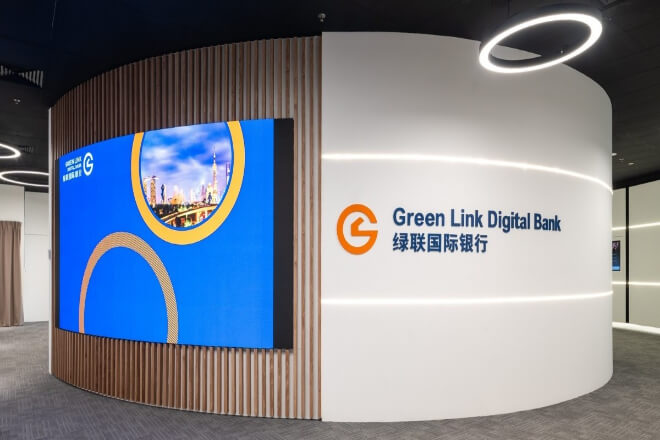
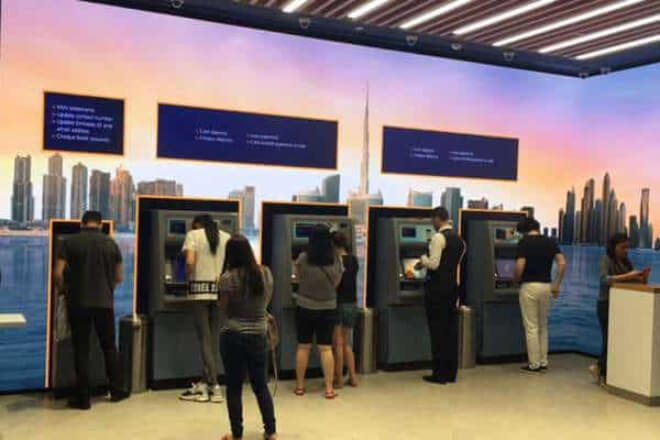
In smart bank branches, the role of LED screens is no longer just “information display,” but more like a digital coordinator at the front desk.
First, it can be linked with intelligent queuing systems, making queuing no longer a passive experience.
Customers can not only see their current number on the screen, but also know approximately how long they will have to wait and which window is faster, making the entire process clearer.
To illustrate with a practical example: Previously, it was a matter of “whoever’s number is called gets called,” but now, “you can see the progress just by looking up,” which provides much greater peace of mind.
Secondly, multiple service information can be displayed simultaneously, no longer limited to single queue information.
For example, financial advice, account opening, corporate banking, and self-service access can all be presented in sections on the same screen, allowing customers to quickly find where they need to go.
More interestingly, this essentially helps customers “make decisions in advance,” reducing hesitation and back-and-forth inquiries upon arrival.
Another common scenario: upon entering the lobby, a customer glances at the LED屏幕 and knows which area to go to and which queue to join, without needing to ask staff.
Simultaneously, it enhances the self-service experience. Many operational procedures, processing steps, and precautions can be visualized on the LED screen.
Such as guiding customers step-by-step through using the self-service machines, reducing operational errors.
Finally, it directly speeds up the business processing flow. Greater information transparency, clearer guidance.
And more logical flow naturally reduce situations where customers are “stuck at a particular window,” making the entire branch operate more smoothly.
The biggest challenge in bank marketing campaigns isn’t actually “having a product,” but rather whether customers notice it and stop to look.
The role of LED屏幕 is to transform information from “being seen” to “being noticed.”
First, holiday marketing and promotional activities can be presented more flexibly.
For example, Spring Festival wealth management activities, card opening benefits, and points redemption programs can be continuously displayed through dynamic visuals.
And the content focus can be adjusted according to the holiday, making the atmosphere more relevant to the present.
For a very intuitive example, continuously displaying “New Year Wealth Management Plans” on a screen before Spring Festival is more likely to attract attention than static posters.
Second, targeted customer information display can improve accuracy.
For example, different product information can be displayed for different time periods and different customer demographics—focusing on wealth management consultations in the morning.
Consumer finance at noon, and event reminders in the afternoon, making the content more “personalized.”
More interestingly, this approach is essentially “scene matching,” rather than a one-size-fits-all approach to advertising.
For example, a common scenario is a customer waiting in line who sees a screen displaying “products suitable for new customers,” easily drawing their attention.
Simultaneously, it enhances on-site interaction and engagement. For instance, scanning QR codes to receive benefits, participating in lucky draws.
And providing countdown reminders for events, all through real-time feedback on LED screens, transform customers from “passive viewers” to “active participants.”
Finally, it directly improves the conversion rate of financial products. Because the information is more eye-catching, the pace is more in line with the flow of people.
And the interaction is more direct, customers can more easily complete the process of “seeing → understanding → generating interest” in a short time.


 English
  Español
  简体中文
简体中文  Français
  日本語
日本語  한국어
한국어  العربية