

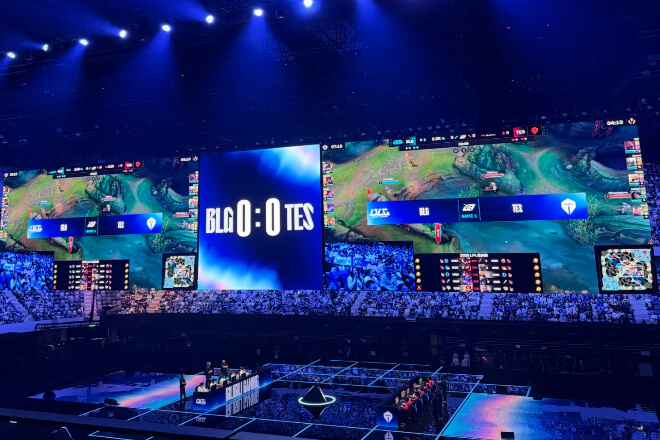
In today’s sporting events, LED screens are no longer just for displaying scores.
They need to tell viewers “what’s the score now,” play highlight reels, provide interactive elements, display event information, and even showcase a large amount of brand advertising.
For event organizers, 租赁LED屏幕 is becoming an increasingly common choice.
The reason is simple: many large-scale events are not held every day, so there’s no need to purchase a complete set of equipment long-term.
Rental solutions can be quickly set up according to the scale of the event, installed before the match, and flexibly dismantled afterward.
For example, in an international football match, spectators may watch goal replays, player statistics, and match updates on LED screens, while sponsors rely on large screens to display brand content.
If the screen flickers or goes black during crucial moments of a match, it not only affects the atmosphere but also significantly reduces brand exposure.
所以, sporting events have increasingly higher requirements for rental LED screens.
Besides fast installation, stable display and reliable operation are essential to ensure a consistent visual experience for viewers, whether in the stadium or watching via live stream.
Simply put, rental LED screens are like “behind-the-scenes teammates” at sporting events.
They may go unnoticed most of the time, but they must be online and reliable during highlight moments like goals, game-winning shots, and award ceremonies.
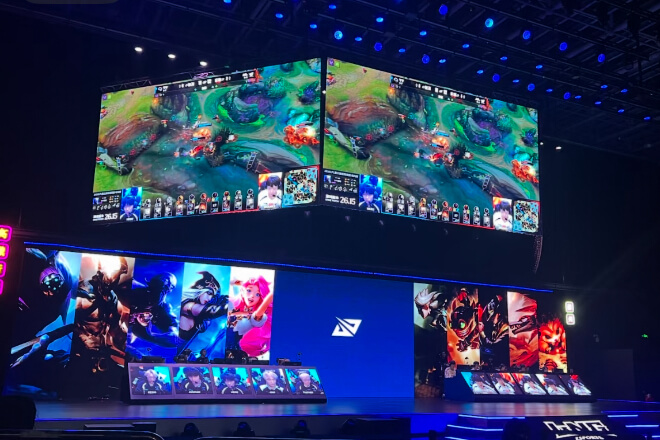
LED screens in sports venues are not simply for aesthetic purposes.
They are very close to players, staff, and spectators, and inadequate installation design can negatively impact the entire event experience, even with seemingly minor issues.
First, impact-resistant design is crucial. For example, in football matches, players may approach the sideline advertising screens while sprinting and scrambling for the ball.
In basketball and tennis matches, equipment and staff move frequently.
所以, 租赁LED屏幕 need to have protective structures to prevent collisions that could endanger personnel or damage equipment.
Second, a stable installation structure is fundamental for long-term operation.
Sports events often involve a large amount of personnel movement and equipment transportation, and outdoor venues may also encounter strong winds and rain.
If the screen is not securely fixed, it may affect display stability and even create safety hazards.
For outdoor events, waterproof and dustproof capabilities are equally critical. For example, in an outdoor football match, if it suddenly rains halfway through.
And the LED screen is not properly protected, not only will the image quality be affected, but subsequent maintenance costs will also increase.
Furthermore, rental LED screens must also meet the needs of rapid setup for events.
Large-scale competitions typically have fixed schedules, requiring installation teams to complete setup, testing.
And dismantling within a short timeframe. Equipment installation cannot delay event preparations.
Simply put, LED screens in sports stadiums are like the “back line” in a match.
While the forwards create excitement, the screens safeguard the visuals, ensure safety, and maintain a positive experience.
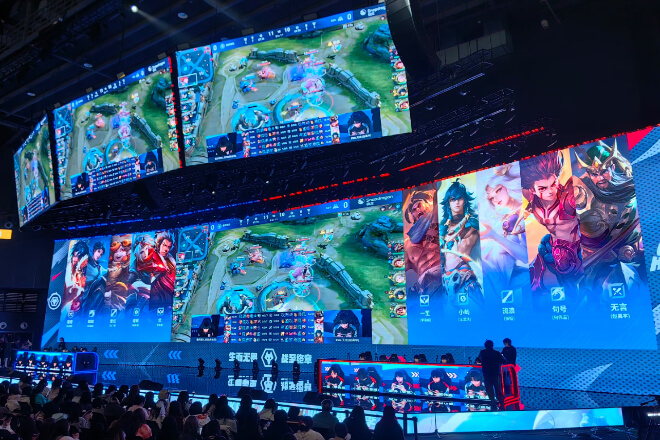
LED screens in sports stadiums are like different positions on a team, each with its own “task.”
Scoreboards convey information, advertising screens attract attention, and interactive screens create atmosphere. A single solution cannot address all needs.
Sideboard advertising screens must prioritize safety and protection. Being close to players and staff, they require impact-resistant designs while ensuring clear and stable images.
For example, in a football match, players might run towards the sideline at high speed.
Sideboard LED screens must not only display sponsor advertisements but also withstand various unexpected situations.
The main screen and scoreboard are more like the “command center” of the match. Score changes, player data, and highlight reels need to be updated in real time.
If the main screen is slow to respond, spectators at the stadium might not even see the score change before those next to them start celebrating.
Therefore, this type of area prioritizes high-definition display, fast response, and stable operation.
Fan interaction areas require more “attractiveness.” Besides displaying team promotional content, they can showcase fan photos, information about on-site activities.
And even create photo-op areas, allowing spectators to not only watch the game but also participate in the atmosphere.
Broadcast areas focus on camera performance.
LED screens need to maintain consistent 亮度, 刷新率, and color to avoid flickering or image abnormalities during camera shooting.
Ensuring that viewers watching on television can also experience the excitement of the event.
Simply put, there is no “one-size-fits-all” LED screen in a sports stadium.
Different areas require different approaches; only by finding the right location and solution can each screen maximize its value.
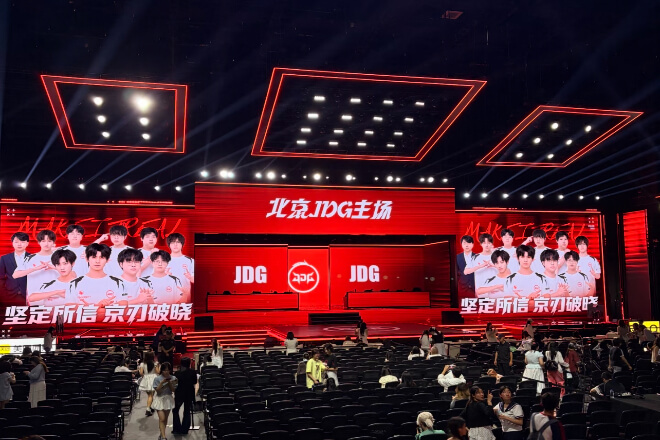
Choosing an LED rental supplier for a sporting event is like a team selecting players; it’s not just about “appearance and price,” but also about their ability to withstand pressure in crucial moments.
First, experience with large-scale events is an important reference standard.
A sporting event often involves multiple aspects, including live audiences, media broadcasts, and brand sponsorships.
Experienced suppliers understand which details cannot afford to go wrong.
For example, in the final minutes of a football final, the large screen needs to synchronize the score, play replays, and display advertising content.
At this point, screen stability is as crucial as a player’s performance.
Secondly, it’s essential to consider whether the supplier provides comprehensive installation and on-site support services.
A professional team not only brings the LED screen into the venue but also handles installation, debugging, signal testing.
And provides technical support throughout the event to prevent problems from being discovered only after the game has started.
Simultaneously, backup equipment and rapid repair capabilities are indispensable. Large-scale events don’t have a “pause button.”
If a module or control device malfunctions, the supplier’s availability of spare parts and their ability to quickly resolve the issue directly impacts the event experience.
Furthermore, excellent suppliers need to provide customized solutions for different events.
For example, football stadiums prioritize outdoor protection and viewing effects, while esports events value refresh rates and low latency. Different scenarios require different solutions.
In short, a reliable 租赁LED屏幕 supplier is like a “substitute player” behind the scenes.
They may not be in the spotlight normally, but they must step in at crucial moments to ensure the game continues smoothly.


 English
  Español
  简体中文
简体中文  Français
  日本語
日本語  한국어
한국어  العربية